



Reframe the Rain, Embrace the Green
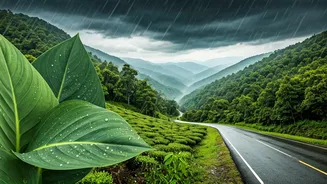
First, let’s adjust our mindset. The rainy season in many parts of the world—from the American Southwest to Southeast Asia—is not a gray, dreary affair. It’s a period of dramatic transformation. Arid landscapes explode into a riot of green and wildflowers.
Waterfalls, once mere trickles, thunder back to life. The air is cleansed of dust, the skies are painted with dramatic clouds, and the tourist crowds of the peak dry season often thin out, offering a more intimate experience. The goal is not to find a place where it magically doesn’t rain during the monsoon. The goal is to find places where the rain enhances the beauty rather than creating unacceptable risk. Instead of seeing rain as an obstacle to be 'beaten,' see it as the main event. A great monsoon trip is one where you can curl up with a book and watch a storm roll in, then step out into a world that feels freshly washed and vibrantly alive.
Geography is Everything: Choose Plateaus, Not Peaks
This is the single most important factor in trading anxiety for aesthetics. Landslides, mudslides, and flash floods are functions of topography. Steep, deforested hillsides are the primary danger zones. When planning a trip, actively seek out destinations with gentler terrain. Think sprawling plateaus, vast plains, or wide river deltas. For example, instead of a trek deep into the treacherous mountain roads of a region known for slips, consider the flatter, more stable landscapes. In Southeast Asia, this might mean exploring the cultural heartlands of central Thailand or the Mekong Delta in Vietnam, which are built to handle water. In the U.S., the North American Monsoon brings spectacular lightning shows and floral blooms to the desert floor of Arizona and New Mexico. Sticking to the lower elevations and well-maintained roads in state and national parks like Saguaro or Organ Pipe Cactus National Monument minimizes risk while maximizing the unique beauty of a desert in bloom.
Discover the Urban Monsoon
While rural adventures require caution, cities can be phenomenal monsoon destinations. They are built on robust infrastructure designed to channel water away, making them far less susceptible to the kind of disruptions that can strand you in the countryside. A downpour that would close a mountain path merely sends city dwellers into a cozy cafe, a bustling indoor market, or a world-class museum. An urban monsoon trip exchanges trekking boots for a good umbrella. You can spend afternoons exploring covered souks, art galleries, and temples, enjoying them without the peak-season crowds. Cities like Bangkok, Kuala Lumpur, or even a rain-swept Santa Fe offer a different kind of energy. The rhythm of the city adapts to the weather, creating opportunities for unique experiences—from sampling hot street food under an awning to finding unexpected deals in shops as foot traffic ebbs and flows with the showers.
Pack Smart, Travel Smarter
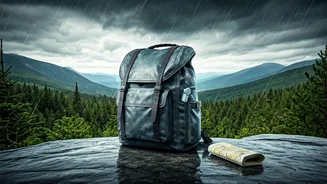
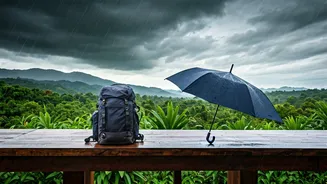
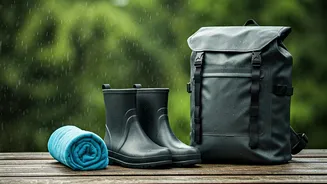
Proper preparation is the antidote to anxiety. Your packing list should be tailored for wet, humid conditions. Prioritize quick-drying synthetic fabrics over cotton. Pack a reliable rain jacket, waterproof footwear with good grip (not flip-flops), and a few dry bags or even heavy-duty zip-top bags to protect your electronics and important documents. A portable power bank is non-negotiable in case of intermittent power cuts. Your travel style needs to be smart, too. Build buffer days into your itinerary. A journey that takes three hours in the dry season might take five in the rain. Stay updated on local weather forecasts and road conditions. Most importantly, invest in comprehensive travel insurance that covers trip disruptions and cancellations due to weather. Knowing you have a financial and logistical safety net is incredibly freeing, allowing you to relax and enjoy the moment.