




The Hills Come Alive
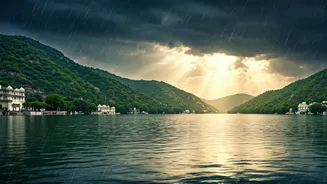
The Aravalli Hills that cradle Udaipur spend most of the year in shades of dusty brown and ochre. They’re majestic but stark. Then the monsoon arrives. Almost overnight, a deep, vibrant green blankets every slope and crevice. This emerald backdrop completely
changes the character of the city. Views from the City Palace or the Monsoon Palace (Sajjan Garh) are no longer just of lakes and buildings, but of a sprawling city nestled in a verdant, living landscape. The contrast between the ancient white marble of the palaces and the rich green of the rain-fed hills is what gives this season its uniquely dramatic beauty. It's a side of Rajasthan many travelers never get to see.
The Lakes Are Full and Flawless
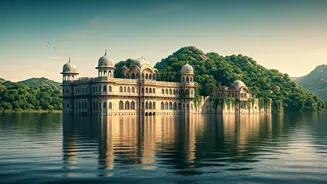
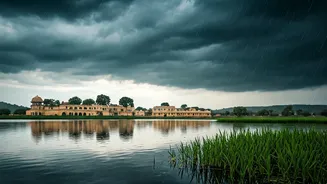
Udaipur’s identity is tied to its man-made lakes, primarily Lake Pichola and Fateh Sagar Lake. During the dry season, their water levels can recede, but the monsoon replenishes them completely. From July to September, the lakes are full to the brim, their surfaces like dark, polished mirrors. The city's palaces, havelis, and temples seem to float on the water, with their reflections shimmering perfectly below. A boat ride on Lake Pichola becomes an entirely different experience; you glide past a fully realized vision of the city, with the iconic Lake Palace and Jag Mandir island appearing suspended between the water and the sky. The overflowing lakes bring a sense of abundance and life that resonates throughout the city.
Dramatic Skies and Misty Mornings
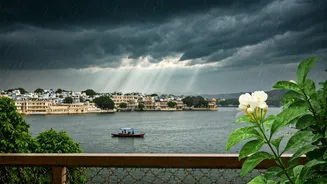
While peak season promises endless blue skies, monsoon season offers something far more atmospheric. The sky becomes a dynamic canvas of rolling dark clouds, sudden bursts of golden sunlight, and painterly sunsets. Mornings are often wrapped in a soft mist that hangs over the lakes and obscures the tops of the hills, lending an air of mystery and romance to the landscape. Waking up to see the domes of the City Palace emerging from the fog is an unforgettable sight. The rain itself is often not a constant downpour but a series of intense, cleansing showers, after which the air is crisp, the dust has settled, and the rain-washed marble of the palaces gleams.
Fewer Crowds, More Serenity
October to March is peak tourist season in Udaipur, with bustling crowds and peak-season pricing. The monsoon, by contrast, is considered the shoulder season. The result? You get to experience one of the most beautiful cities in the world with a fraction of the visitors. The courtyards of the City Palace are quieter, allowing you to absorb the intricate details without being jostled. You can find a peaceful spot along the ghats to watch the rain fall on the lake, or enjoy a cup of chai at a rooftop cafe with an unobstructed view. This relative quiet allows for a more intimate and personal connection with the city, making the entire experience feel more serene and exclusive.
The Palaces Feel Even More Royal
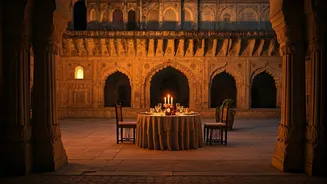
There's something about the moody, overcast light of the monsoon that makes Udaipur's palaces feel even grander and more historic. The intricate mirror work and colored glass inside the City Palace glitter differently under the soft, diffused light. The rain-slicked courtyards reflect the towering archways, doubling their grandeur. From a window seat in a lakeside hotel, watching the rain streak across the water towards the ghostly silhouette of the Lake Palace is the definition of romantic gloom. The weather enhances the feeling that you’ve stepped back in time, experiencing the city not as a sun-drenched tourist hotspot, but as the timeless, regal capital it once was.