



The Rise of 'Imperfect' Stone
Carrara marble, with its cool white background and dramatic gray veining, was the undisputed king of kitchens and coffee tables for the better part of a decade. Its polished, perfect surface screamed luxury. Now, its warmer, more humble cousin is taking
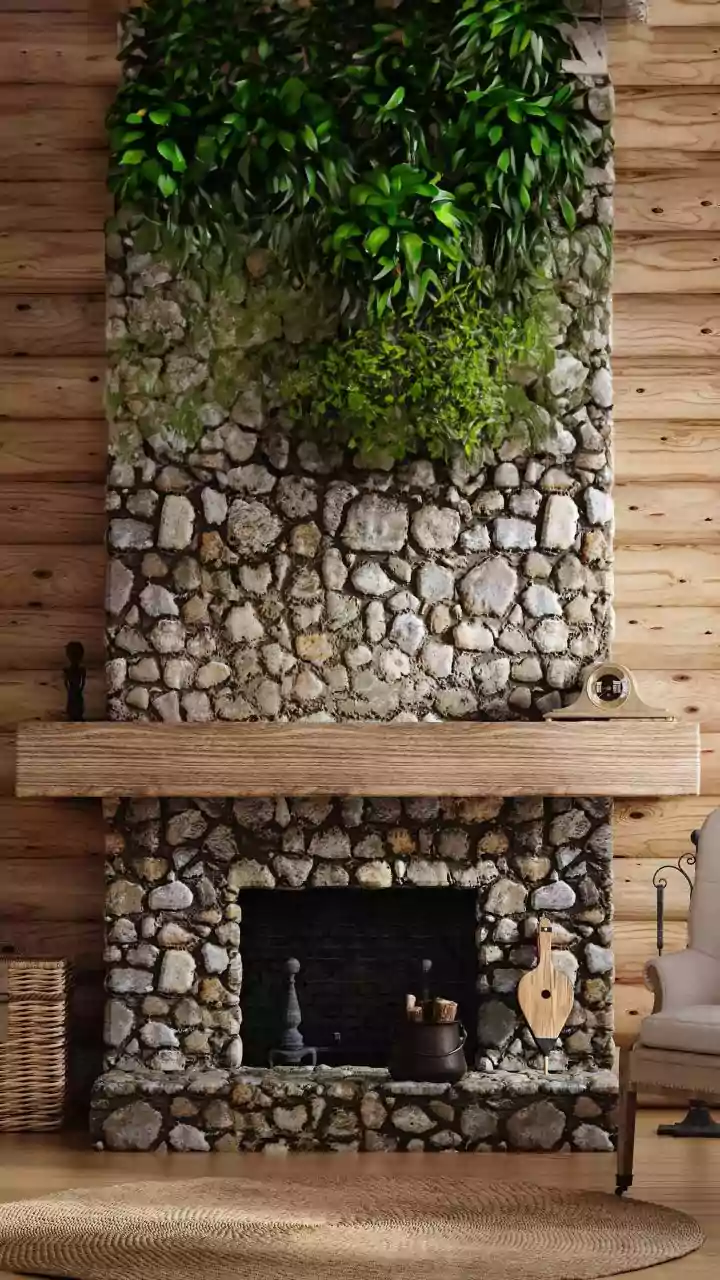
the throne: travertine. This porous, matte limestone, often with pits and unique tonal variations, brings an ancient, earthy quality to a space. Instead of a surface that feels untouchable, travertine and other tumbled stones like zellige tile invite you to run your hands over them. They feel grounded and real, less like a showroom and more like a home with a history, even if it’s brand new.
Fabrics You Want to Hug
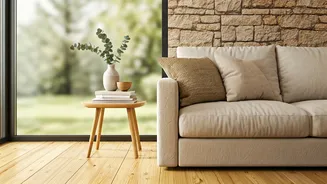
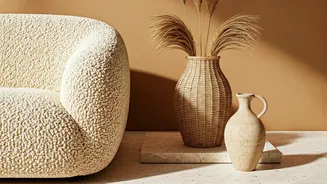
If the 2010s were defined by tight-weave performance fabrics and sleek leather, the 2020s are all about textiles that feel like a warm embrace. Leading the charge is bouclé, the looped, nubby fabric that looks and feels like a stylish, grown-up teddy bear. Once associated with mid-century French design, it’s now covering everything from accent chairs to sprawling sofas. Alongside it is sherpa, its even cozier cousin, which is turning pillows and throw blankets into functional comfort objects. The message is clear: after years of living on screens, we want our physical spaces to be soft, forgiving, and deeply tactile.
Woven Wonders Take Over
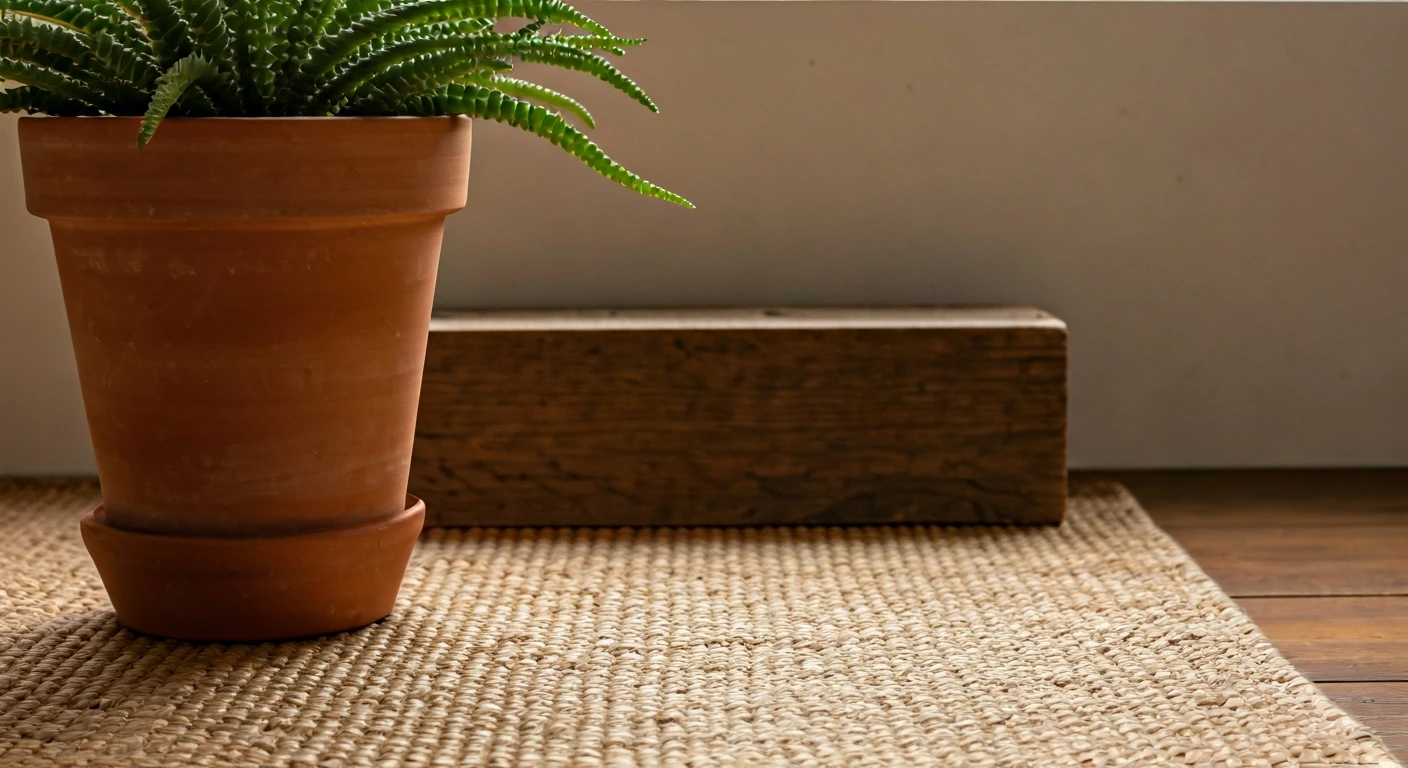
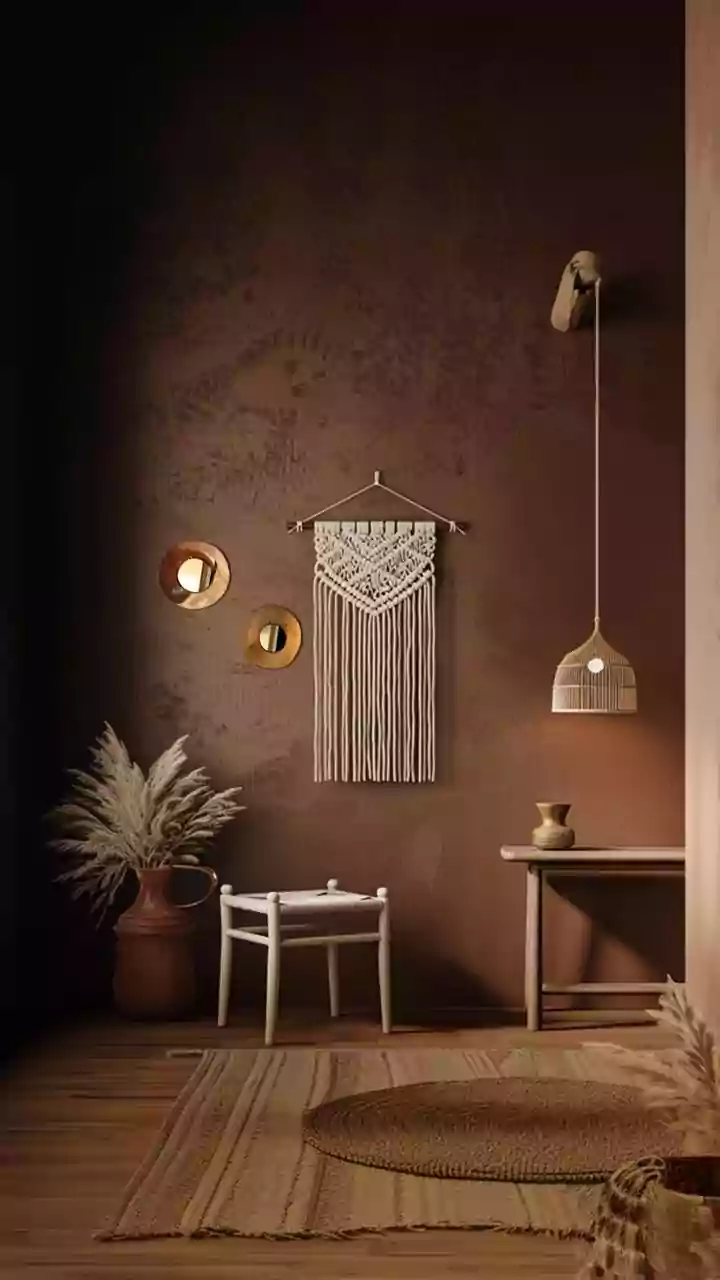
Not long ago, a hint of rattan or wicker might have felt dated, relegated to a sunroom or a beach house. Today, these woven natural fibers are a sophisticated staple of modern design. From cane-backed dining chairs and cabinet doors to rattan pendant lights and headboards, these materials introduce a layer of organic texture and visual lightness that cold metals and plastics can’t replicate. They connect our indoor spaces to the outdoors, blurring the lines and bringing a sense of handmade artistry into the home. It's a move away from mass-produced uniformity toward pieces that celebrate natural materials and traditional craft.
Wood in its Natural State
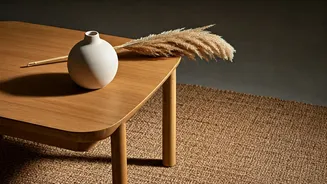
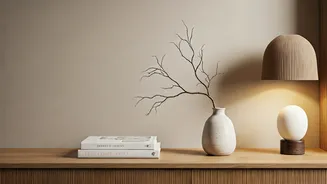
The pendulum is swinging away from the glossy, dark-stained or perfectly painted woods that felt formal and finished. The new mood is all about celebrating wood for what it is. Think light oak, ash, and maple with matte or oiled finishes that highlight the natural grain, knots, and all. You'll see it in fluted sideboards, raw-edge dining tables, and simple, sturdy bed frames. This aesthetic, heavily influenced by Scandinavian and Japanese design principles (hello, Japandi), values simplicity, functionality, and a deep appreciation for the material's inherent beauty. It feels honest and enduring, a welcome contrast to the fleeting nature of high-gloss trends.
Embracing the Wrinkles
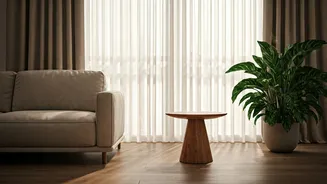
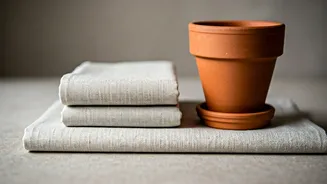
The era of stiff, perfectly pressed drapery and starched-stiff bedding is fading. In its place, we're seeing an embrace of relaxed, breathable fabrics like linen and organic cotton. Linen curtains that pool gently on the floor and rumpled linen duvet covers have become a status symbol of a different kind—one that prioritizes comfort and ease over rigid formality. These materials get softer and better with age, telling a story of use and life. They don’t fight wrinkles; they make them part of the charm. It’s a low-maintenance luxury that feels both chic and incredibly livable.