


More Than a Famous Movie Line
Let’s get it out of the way. Yes, a nice Chianti. For a generation, that single line from *The Silence of the Lambs* defined the fava bean for American audiences, shrouding it in a weirdly sinister, high-culture mystique. But reducing this incredible
bean to a pop-culture footnote is a culinary crime. In reality, fava beans, also known as broad beans, have been a staple of human diets for nearly 10,000 years. They were cultivated by ancient Egyptians, revered by Greeks and Romans, and served as a critical source of protein for peasant populations across Europe and the Middle East for centuries. They are, quite literally, one of the foundational foods of Western civilization. It’s time we treated them with the respect they deserve, not as a punchline but as the culinary bedrock they are.
The Double-Peel Dilemma
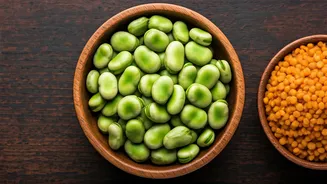
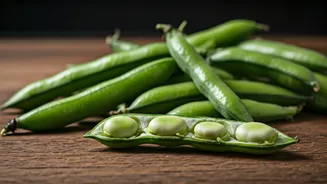
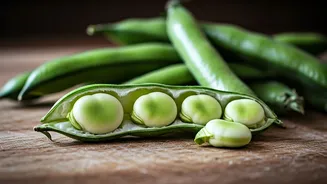
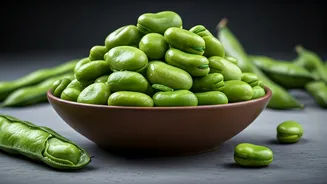
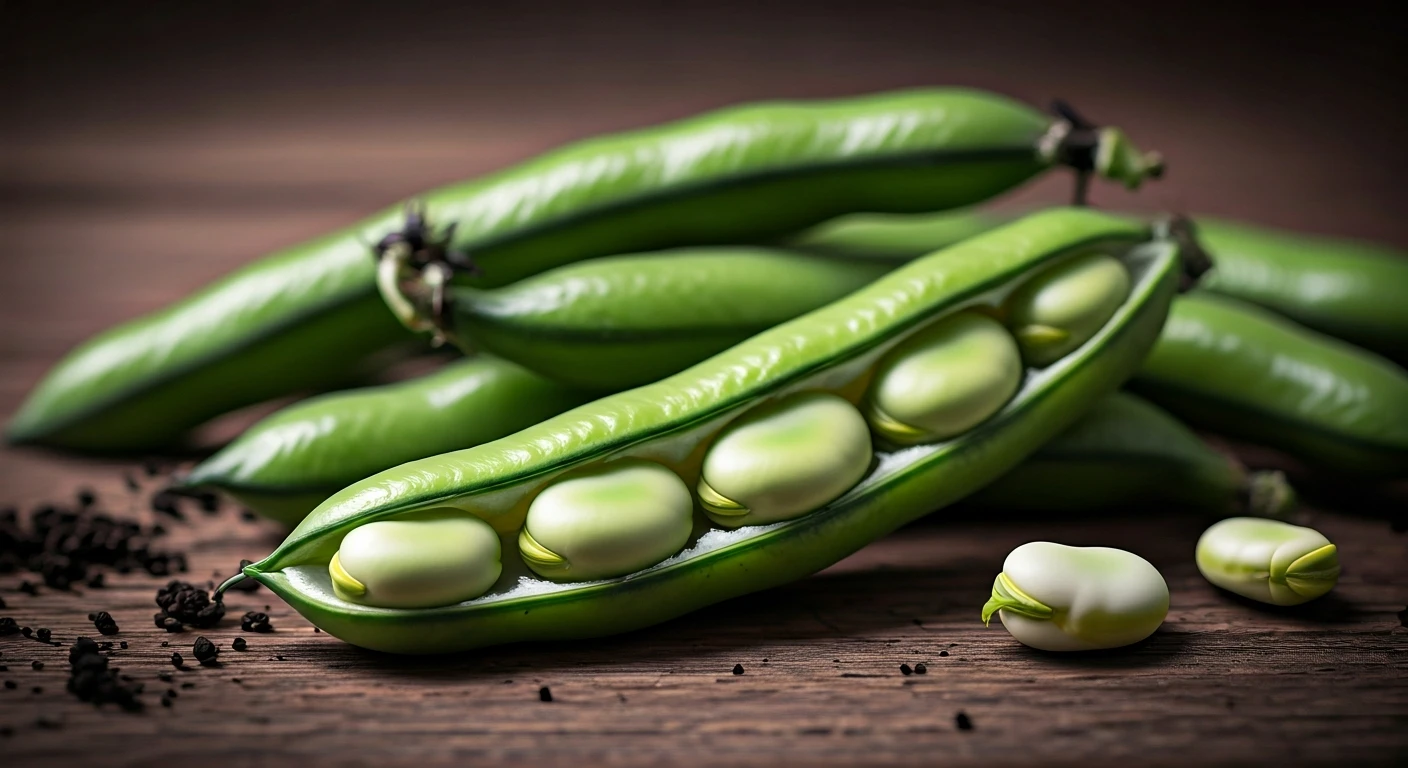
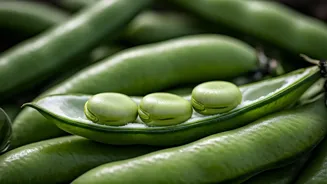
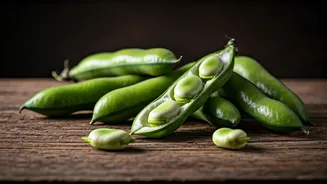
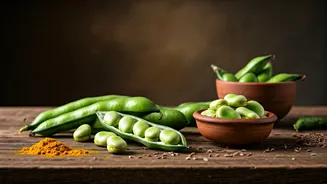
Okay, so what’s holding everyone back? It's often the prep work. Fava beans have a reputation for being fussy because they require a “double peel.” First, you have to free the beans from their large, mattress-like pods. Then, after a quick blanch in boiling water, each individual bean must be slipped out of its pale, waxy outer skin. It sounds laborious, and it can be. But framing it as a chore misses the point. The process is a springtime ritual, a moment of mindful kitchen work that pays huge dividends in flavor and texture. The inner bean, or cotyledon, is bright green, incredibly tender, and bursting with a nutty, slightly sweet, and unmistakably fresh flavor that has no substitute. Plus, for very young, small favas, you can often skip the second peel entirely.
A Nutritional Powerhouse
Beyond their taste, fava beans are a nutritional champion. They are packed with plant-based protein and dietary fiber, making them incredibly satiating. A single cup of cooked fava beans provides a significant portion of your daily needs for folate, manganese, copper, and magnesium. This combination of protein and fiber helps stabilize blood sugar and supports digestive health. Their reputation as “the meat of the poor” in historical texts wasn't an insult; it was a testament to their ability to provide robust, affordable sustenance. In an era of plant-forward eating, the fava bean is perfectly positioned to reclaim its title as a diet staple. One important note: a small percentage of the population with a genetic condition called G6PD deficiency can have a severe reaction to fava beans, a condition known as favism. While rare, it's a crucial piece of this bean's story.
Unlocking Their Culinary Magic
Once you have your bright green, peeled beans, the possibilities are endless. Forget boring preparations. Their creamy texture makes them perfect for a simple, vibrant purée, smashed on toasted sourdough with ricotta, mint, and a drizzle of olive oil—a classic Italian appetizer. Toss them into pasta dishes with pancetta and pecorino for a taste of Rome. Add them whole to spring salads for a burst of color and a satisfying bite. They can be lightly stewed with artichokes, grilled in their pods until tender and smoky, or even fried until crisp and eaten as a snack. Top chefs love them for a reason: their distinct flavor and texture elevate any dish, turning a simple meal into something special. They pair beautifully with salty cheeses, fresh herbs like mint and dill, and cured meats.