


1. Start with Living Greenery
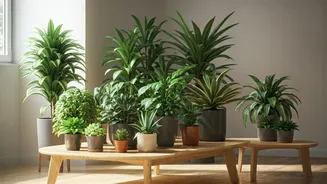
This is the most direct way to invite nature inside. Houseplants do more than just look pretty; they can purify the air, boost moods, and increase creativity. If you’re a beginner, don’t be intimidated. Start with famously resilient options like the snake
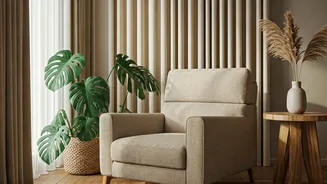
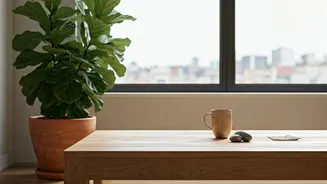
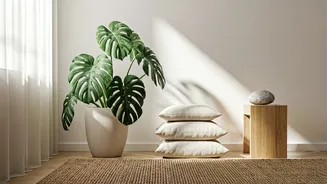
plant, ZZ plant, or pothos, which tolerate a wide range of light conditions and infrequent watering. For a bigger impact, consider a fiddle leaf fig or a monstera deliciosa as a statement piece in a well-lit corner. Grouping smaller plants of various heights and textures on a windowsill or bookshelf can create the feeling of a miniature indoor garden.
2. Embrace Natural Textiles
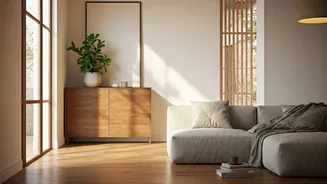
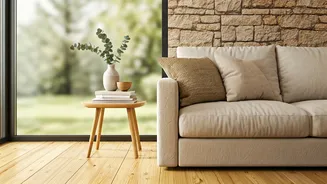
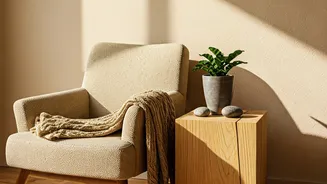
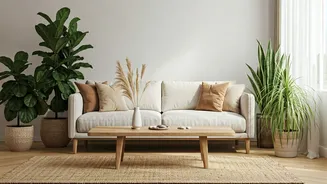
The fastest way to change the feel of a room is to change its textures. Swap out synthetic fabrics for materials that feel like they came from the earth. Think a chunky wool throw blanket on the sofa, linen or cotton curtains that gently filter sunlight, or a jute or sisal rug to ground your living space. These materials add visual warmth and a tactile richness that’s hard to replicate. Even small swaps, like velvet cushions for organic cotton ones, can make a space feel more breathable and connected to nature.
3. Incorporate Wood, Stone, and Rattan
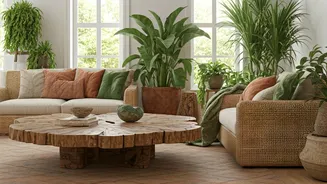
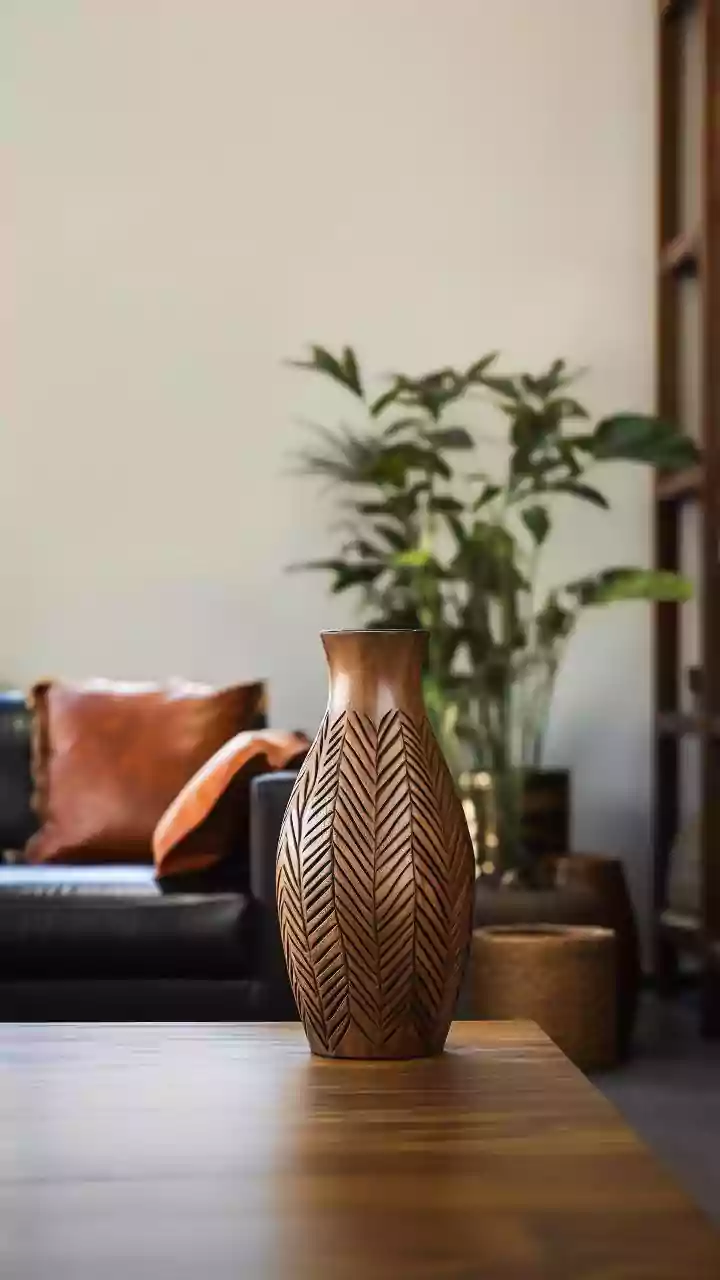
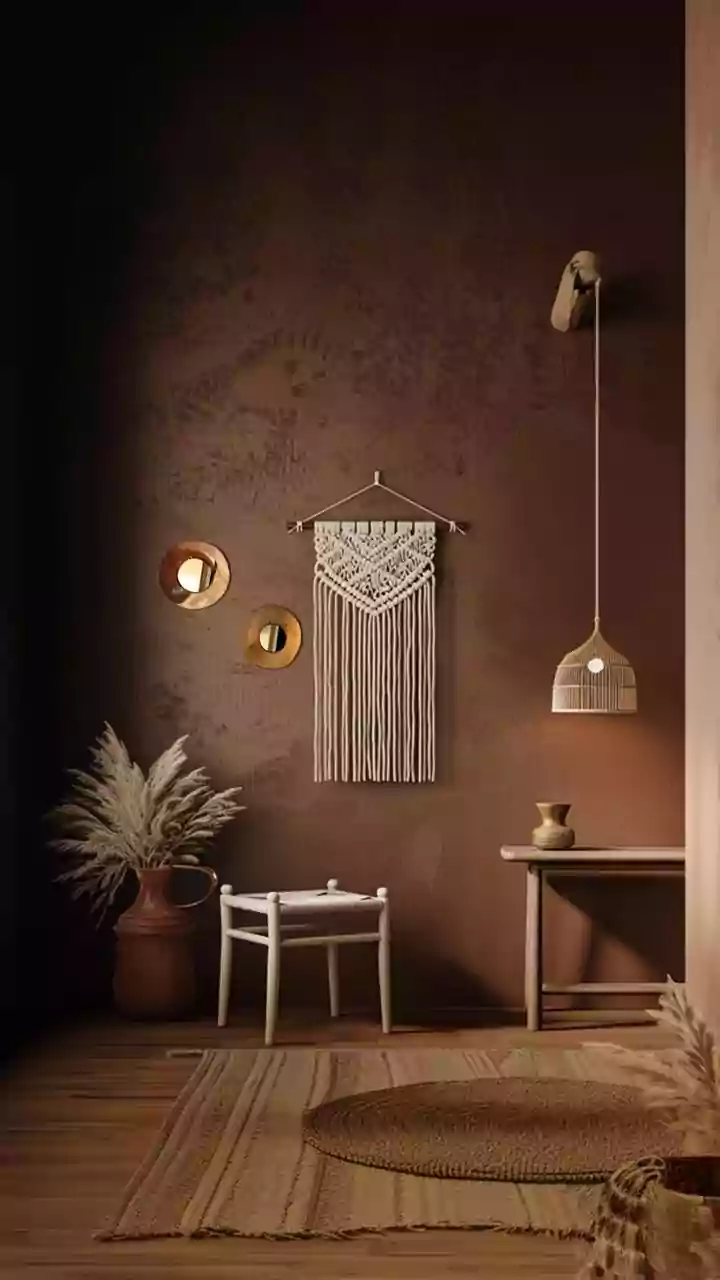
Hard materials provide structure and a sense of permanence. Look for opportunities to introduce elements of wood, stone, and woven fibers. This doesn't require buying all new furniture. It could be as simple as a beautiful acacia wood cutting board left on the kitchen counter, a stack of books on a petrified wood accent table, or a ceramic vase with a stone-like finish. Rattan and wicker are back in a big way, offering a light, airy, and bohemian feel through light fixtures, baskets, or accent chairs. These materials tell a story of craftsmanship and natural origins.
4. Maximize Natural Light
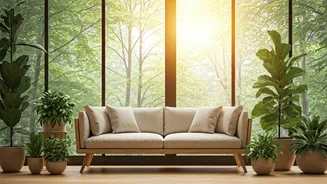
The ultimate natural element is sunlight. Your first step is to clean your windows, inside and out—you’d be surprised how much brighter your space will feel. Next, assess your window treatments. Heavy, dark curtains can block precious light. Opt for sheer, light-colored panels that offer privacy while still allowing daylight to pour in. You can also use mirrors strategically. Placing a large mirror on the wall opposite a window will bounce light around the room, making it feel larger and more open, mimicking the expansive feeling of the outdoors.
5. Use Scent to Set the Scene
Our connection to nature isn’t just visual; it’s a full sensory experience. Engaging your sense of smell is a powerful and immediate way to change your home’s atmosphere. Avoid artificial air fresheners, which can be overpowering. Instead, use an essential oil diffuser with scents like pine, cedarwood, lavender, or eucalyptus. A bundle of dried eucalyptus hanging in your shower will release a spa-like scent when hit with steam. Simmering a pot of water on the stove with citrus peels, cinnamon sticks, and cloves can fill your home with a warm, natural aroma that feels both comforting and clean.