



From Free Sample to Field Study
For decades, the tasting table was a straightforward sales tool. Its purpose was singular: convert a curious passerby into a paying customer by offering a risk-free taste. The transaction was immediate. If you liked it, you bought it. If you didn’t, you moved
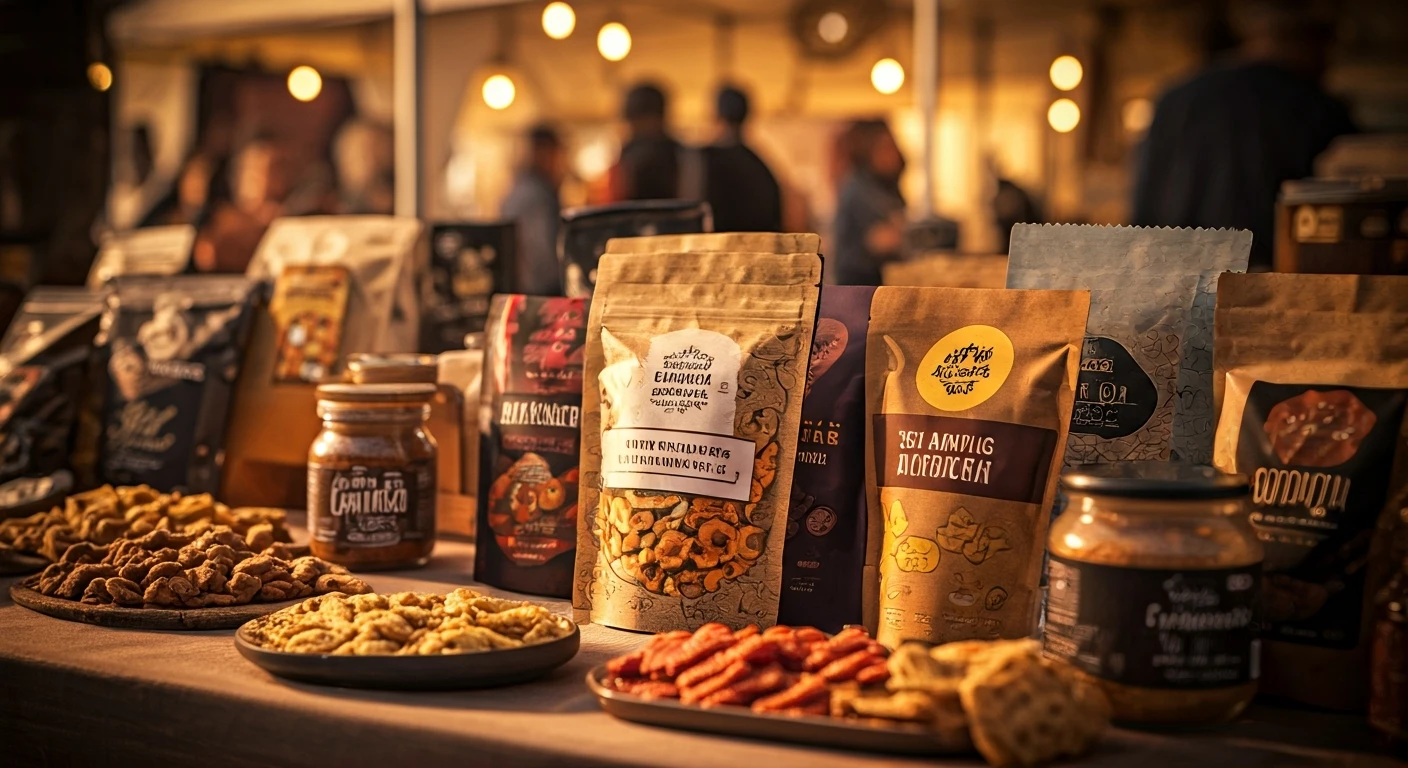
on. But in the hyper-competitive world of modern food brands, this old-school tactic has been given a powerful new job. Today’s tasting table is a sophisticated, low-cost listening post—a real-time research desk disguised as a friendly gesture. For nimble startups trying to break into the crowded consumer packaged goods (CPG) market, every interaction is a data point. The person behind the table isn’t just a salesperson; they’re a qualitative researcher. They’re watching your face as you take the first bite. Are your eyes widening in delight or narrowing in confusion? Do you ask about the ingredients? Do you hesitate when you hear the price? This is invaluable, real-world feedback that can’t be replicated in a survey.
The High Cost of Being Wrong
To understand why this shift is happening, you need to look at the alternative. Launching a new food product is notoriously difficult and expensive. Historically, market research involved costly focus groups, extensive surveys, and data analysis that could run into the tens or even hundreds of thousands of dollars. For a bootstrapped startup making small-batch hot sauce or plant-based cookies, that kind of capital is a non-starter. The failure rate for new products is staggeringly high. Without good data, a founder is essentially guessing what consumers want. They might spend a year perfecting a recipe, designing packaging, and securing production, only to find out that the market thinks their product is too spicy, too expensive, or that the branding is confusing. The tasting table short-circuits this entire process. It allows founders to test, iterate, and pivot in a matter of weeks, not years, based on direct feedback from their target audience.
You, The Unpaid Consultant
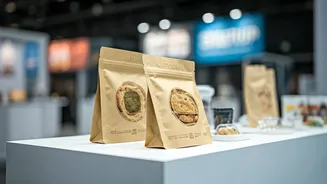
When you approach a tasting table, you’re not just a potential customer; you’re an impromptu consultant. The questions they ask are rarely accidental. “What do you think of the sweetness level?” is a query about formulation. “What would you expect to pay for a bag of this?” is a test of their pricing strategy. “What other snacks do you buy?” is competitive analysis. Even your body language is part of the study. This informal exchange provides startups with insights that formal methods often miss. A focus group in a sterile office setting can elicit performative answers. But a person at a bustling market, sample in hand, will give a gut reaction. This direct feedback loop is gold. A dozen people mentioning that the packaging looks hard to reseal can trigger a redesign. A few customers asking if there’s a gluten-free version can validate a future product line. You’re not just trying a sample; you are actively, if unknowingly, shaping the product’s future.
The New Proving Ground
This trend extends far beyond the weekend farmers’ market. It’s happening at specialty grocers that host new brands, in urban food halls that act as incubators, and at pop-up events dedicated to emerging products. Direct-to-consumer (DTC) brands that live primarily online use in-person events as their primary way to connect with and learn from their customers before scaling up to national retail. Think of brands that seem to appear out of nowhere and are suddenly on every shelf. Many of them, from fancy olive oils to oat milk lattes, spent their formative months in this exact environment. They honed their recipes, refined their branding, and built an initial base of loyal fans by leveraging the power of the humble sample. They didn't need a massive marketing budget to tell them what people wanted; they just listened.