





The Old Guard of Iron
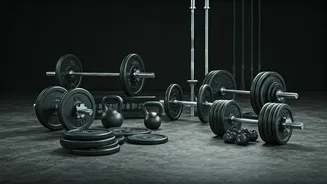
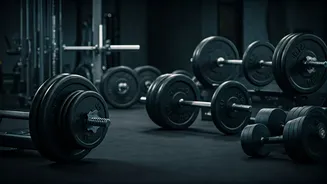
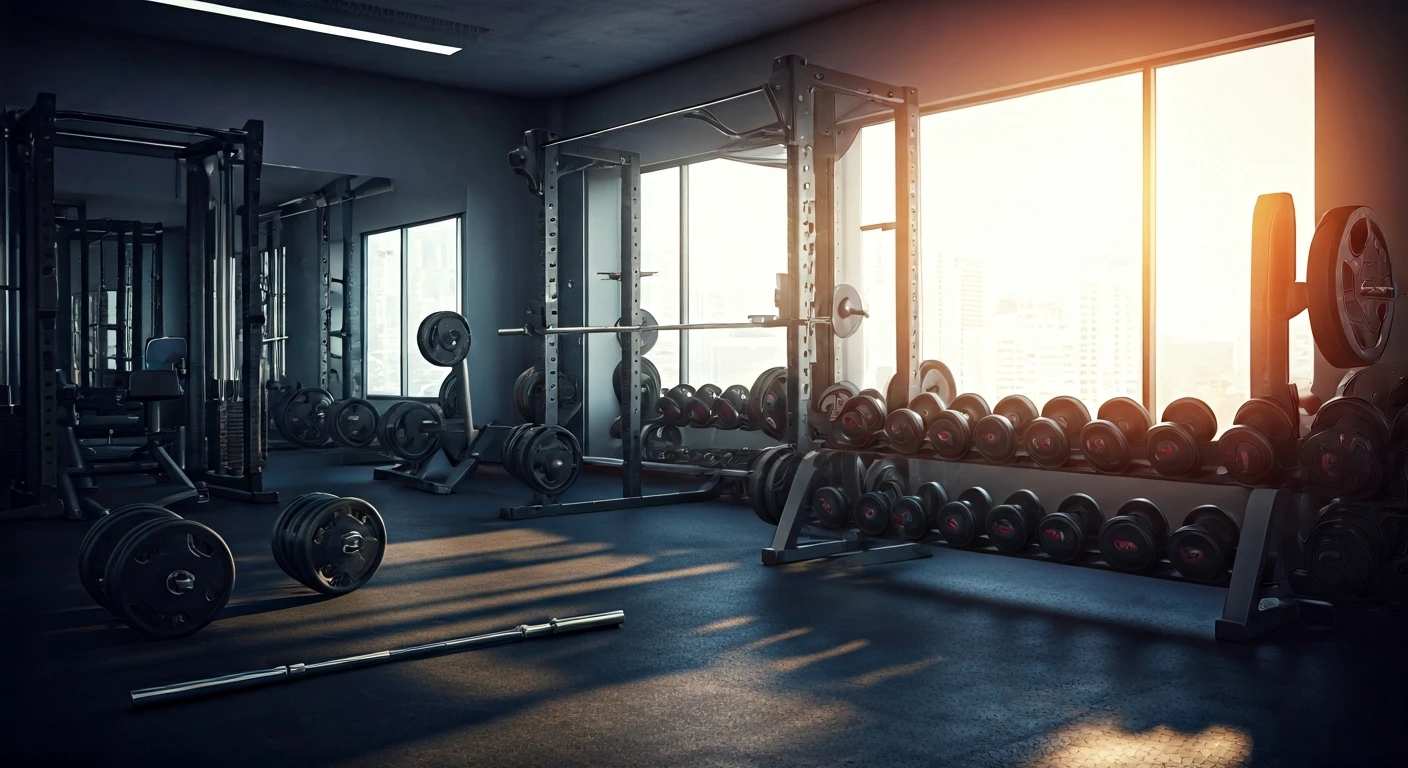
For decades, the idea of a gym in India conjured a very specific image: a gritty, no-frills space dominated by men. These were the descendants of the traditional *akhara*, or wrestling gyms, where physical strength was intrinsically linked to masculinity.
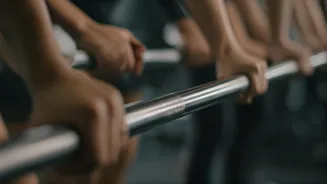
In the 80s and 90s, as Western-style fitness began to take root, the focus remained squarely on bodybuilding for men. The free-weights section was an intimidating, unspoken territory where women were rarely seen and often not welcome. Fitness for women, if considered at all, was relegated to cardio machines or group aerobics classes, reinforcing a social script that associated femininity with being slender, not strong.
A New Generation Lifts
Today, that script is being rewritten. A confluence of factors is fueling this change, beginning with India's economic growth and rapid urbanization. A burgeoning middle class has more disposable income and a growing interest in wellness as a lifestyle, not just a means to an end. For a new generation of urban Indians, fitness is about health, empowerment, and stress relief—goals that transcend gender. As boutique studios and international gym chains like Gold’s Gym and Anytime Fitness expanded into Tier-1 and Tier-2 cities, they brought with them a more standardized, professional, and often more welcoming environment than the old neighborhood gyms. This shift created a physical and psychological opening for people who previously felt excluded.
The Instagram Effect
Perhaps the single biggest catalyst for this inclusive shift is social media. Platforms like Instagram have completely democratized fitness knowledge and inspiration. A new wave of Indian female fitness influencers has risen to prominence, dismantling old taboos one post at a time. Women like Bani J, a former MTV host turned fitness icon, and certified trainers like Shweta Mehta and Ankita Singh share videos of themselves deadlifting heavy, performing pull-ups, and celebrating their muscular physiques. They don't just post workouts; they build communities, answer questions about nutrition, and openly discuss overcoming the “gymtimidation” that many women feel. By making strength training visible and accessible, they’ve given millions of Indian women the confidence to pick up a dumbbell for the first time.
More Than Just Muscles
This movement is about more than just physical fitness; it represents a profound cultural shift. For many Indian women, lifting weights is an act of rebellion and reclamation. It’s a way to claim physical and public space in a society where they are often told to be demure and take up less room. Building physical strength becomes a metaphor for building inner strength, resilience, and independence. The focus is shifting from a purely aesthetic goal—looking a certain way for others—to a functional one: feeling capable and powerful in one's own body. This sense of empowerment is challenging long-held stereotypes about what it means to be a strong Indian woman.
Hurdles Still to Clear
While the trend is promising, the transformation is far from complete. In many smaller towns and more conservative regions, the old norms hold strong, and gyms remain male-dominated bastions. The cost of a membership at a modern, well-equipped gym is also a significant barrier for a vast portion of the population. Furthermore, even in progressive urban centers, women who lift often face unsolicited advice, judgment, and the persistent myth that strength training will make them “bulky” or “manly.” The revolution is underway, but it is being fought on the gym floor, one squat and one deadlift at a time, proving that strength has no gender.