




What Is Hormone-Aware Nutrition?
Hormone-aware nutrition isn’t another restrictive diet. Instead, it’s an eating strategy focused on supporting your endocrine system—the complex network of glands that produces hormones. These chemical messengers regulate everything from your mood and energy
levels to your metabolism and sleep cycles. While a balanced diet is always a good starting point, this approach goes a step further by considering how specific nutrients and eating patterns influence key hormones like insulin, cortisol, and estrogen. The goal is to create internal harmony, helping you feel more stable, energized, and resilient. It’s about making targeted food choices to help your body’s signaling systems function at their best, moving beyond a one-size-fits-all definition of “healthy.”
Master Blood Sugar for Steady Energy
If you experience mid-afternoon slumps or intense sugar cravings, your insulin might be on a rollercoaster. Insulin is the hormone that manages blood sugar. A meal high in refined carbs or sugar causes a rapid spike in blood sugar, followed by a large insulin release that can lead to a subsequent crash, leaving you tired and hungry. A hormone-smart strategy is to build meals that promote a gentle, gradual blood sugar response. The key is pairing carbohydrates with protein, healthy fats, and fiber. For example, instead of eating an apple alone, pair it with a handful of walnuts or a spoonful of almond butter. The fat and protein slow down the absorption of the apple's natural sugars, preventing the dramatic spike and crash. This simple habit can transform your energy levels throughout the day.
Manage Cortisol to Tame Stress
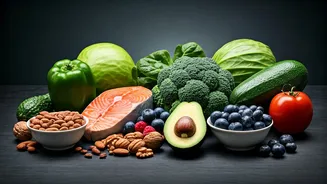
Known as the “stress hormone,” cortisol plays a crucial role in your body’s fight-or-flight response. In a healthy cycle, it’s highest in the morning to help you wake up and gradually declines throughout the day. However, chronic stress, poor sleep, and even certain eating habits—like skipping meals or relying on caffeine—can disrupt this rhythm, keeping cortisol levels elevated. This can lead to anxiety, weight gain (especially around the midsection), and fatigue. To support healthy cortisol levels, focus on consistency. Eating regular, balanced meals signals to your body that it isn’t in a state of famine. Incorporating foods rich in magnesium (leafy greens, nuts, seeds) and omega-3 fatty acids (salmon, walnuts, chia seeds) can also help regulate your body's stress response and promote a sense of calm.
Nourish Your Thyroid and Sex Hormones
For many, particularly women, the interplay between estrogen, progesterone, and thyroid hormones is central to well-being. Nutrition provides the essential building blocks for these hormones and helps the body metabolize them effectively. For instance, cruciferous vegetables like broccoli, cauliflower, and Brussels sprouts contain compounds that support the healthy detoxification of estrogen in the liver. For thyroid function, which governs your metabolism, nutrients like iodine (found in seaweed and iodized salt), selenium (Brazil nuts), and zinc (oysters, pumpkin seeds) are critical. Furthermore, B vitamins, especially B6, are vital for progesterone production, which can impact mood and premenstrual symptoms. Eating a wide variety of whole foods ensures you're supplying your body with this diverse toolkit of micronutrients.
Don't Forget Your Gut-Hormone Connection
Emerging science highlights a powerful link between gut health and hormonal balance. Your gut microbiome—the trillions of bacteria living in your digestive tract—helps regulate hormones, including estrogen. A specific collection of gut bacteria, known as the estrobolome, produces an enzyme that influences estrogen levels in the body. When your gut microbiome is out of balance (a state called dysbiosis), it can interfere with this process. Supporting your gut is therefore a non-negotiable part of hormone-aware eating. Prioritize fiber-rich foods like vegetables, fruits, and whole grains, which act as food for your beneficial gut bacteria. Incorporating fermented foods like yogurt, kefir, kimchi, and sauerkraut can also introduce beneficial probiotics, further bolstering your gut health and, by extension, your hormonal harmony.