



Beyond the Turmeric Latte
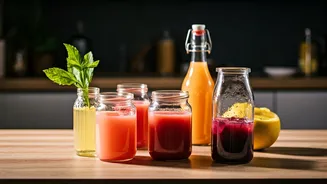
First, let’s get on the same page. What exactly are 'functional beverages' in the Indian context? It's not just about adding vitamins to soda. This trend is deeply rooted in India’s ancient wellness traditions, particularly Ayurveda, but repackaged for
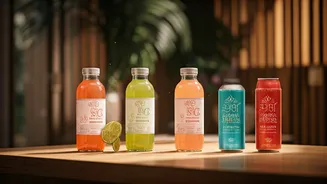
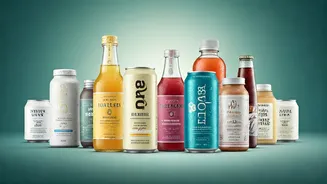
the 21st-century consumer. Think ready-to-drink herbal infusions with ashwagandha for stress relief, amla (Indian gooseberry) shots for immunity, and bottled teas with brahmi for cognitive function. For centuries, these ingredients were part of home remedies, often prepared through time-consuming processes. The game-changer is convenience. Startups and established brands are bottling these traditional recipes into shelf-stable, attractively packaged products that fit a modern, fast-paced lifestyle. It’s the wisdom of a grandmother’s kitchen, but with the ease of grabbing a Coke.
The Great Health Awakening
While interest in wellness was simmering for years, the COVID-19 pandemic threw gasoline on the fire. Suddenly, 'immunity' wasn't just a buzzword; it was a top priority for millions of households. This created a massive surge in demand for products perceived to boost the body's natural defenses. Consumers, confined to their homes and scrolling on their phones, began actively seeking out preventative health solutions. The functional beverage market was perfectly positioned to meet this need. Brands promoting drinks with ingredients like turmeric, ginger, and giloy saw explosive growth. This wasn't a fleeting fad. The pandemic fundamentally shifted consumer psychology from reactive (seeing a doctor when sick) to proactive (maintaining health to prevent illness), creating a durable foundation for the entire wellness industry.
The New Indian Consumer
This trend isn't just happening in the mega-cities of Mumbai and Delhi. A crucial part of the story is the rise of the consumer in India's Tier 2 and Tier 3 cities. Thanks to increased internet penetration and rising disposable incomes, aspirations are no longer limited by geography. A young professional in Lucknow or Jaipur has access to the same direct-to-consumer (DTC) brands as someone in Bangalore. They are digitally savvy, health-conscious, and willing to spend on products that align with their values. This demographic is less loyal to legacy brands and more open to trying new products from agile startups that speak their language—often a blend of modern science and traditional authenticity. For American brands watching from the sidelines, this is the key takeaway: India's consumer market is not a monolith. It's a vast, segmented, and increasingly sophisticated landscape.
Who Is Winning the Wellness War?
The battlefield is crowded. On one side are nimble startups like Auric, &Me, and Akiva Love, which built their brands online with targeted digital marketing and a strong DTC presence. They excel at storytelling, connecting their products to specific health outcomes like better sleep, glowing skin, or reduced anxiety. On the other side, legacy food and beverage giants like Dabur and Nestlé are either acquiring smaller players or launching their own functional lines to avoid being left behind. Dabur, a heritage brand synonymous with Ayurveda, has a natural advantage in trust and distribution. The competition is fueling innovation in flavors, formats, and ingredients, creating a vibrant and rapidly evolving market where authenticity and efficacy are the ultimate currencies.