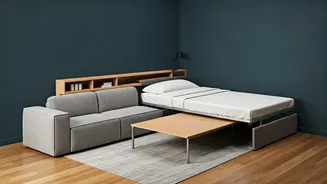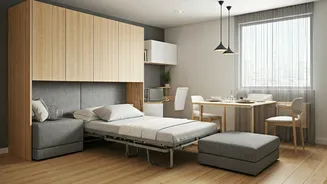





Embrace Multifunctional Marvels
In the modern American home, especially in apartments or smaller houses, every square inch counts. This is where multifunctional furniture isn't just a clever gimmick; it's a strategic necessity. Think beyond the bulky sleeper sofas of the past. Today's
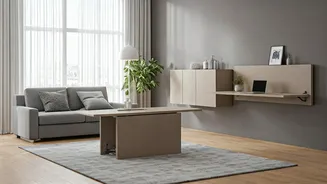
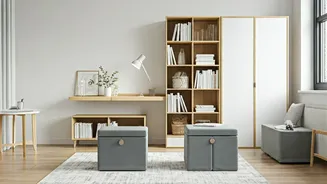
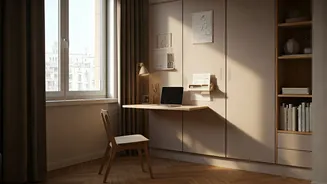
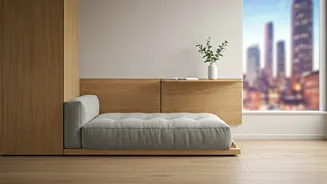
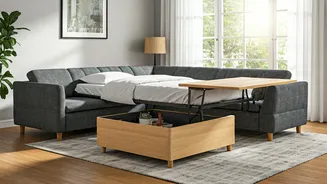
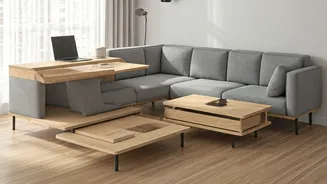
options are sleek and stylish. A chic ottoman can open up to store blankets and board games, clearing away clutter instantly. A lift-top coffee table can double as a dining surface or a comfortable workspace, eliminating the need for a separate desk in a tight living area. By choosing pieces that serve two or even three purposes, you're not just buying furniture—you're buying back space and creating a layout that can adapt to your life, whether you're hosting a party or working from home.
Get 'Leggy' to Create Airiness
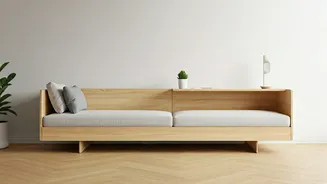
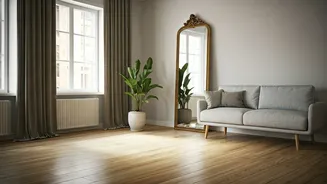
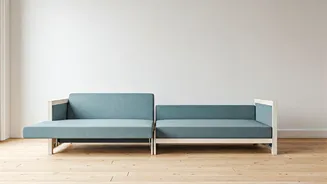
One of the most effective tricks in an interior designer’s playbook is choosing 'leggy' furniture. This refers to sofas, armchairs, consoles, and side tables that are raised off the ground on visible legs. The principle is simple: by allowing you to see the floor underneath, these pieces create an illusion of more space. They make a room feel lighter, more open, and less cluttered. A solid, blocky sofa that sits directly on the floor can feel like a heavy anchor, visually shrinking a room. In contrast, a mid-century modern-style couch on tapered legs feels airy and elegant. This single choice can be the difference between a living room that feels stuffy and one that feels expansive and breathable.
Master Scale and Proportion
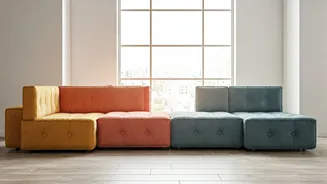
You can have the most beautiful, expensive furniture in the world, but if the scale is wrong, the room will never feel right. This is the 'Goldilocks' principle of decorating. A massive, overstuffed sectional will overwhelm a small den, making it feel claustrophobic. Conversely, a tiny loveseat and a delicate coffee table will feel lost and adrift in a great room with vaulted ceilings. Before you buy, measure your room, but also consider its visual volume. A good rule of thumb is to ensure your largest piece, typically the sofa, is proportional to the main wall it will sit against. From there, select other pieces like coffee tables and chairs that relate in scale to both the sofa and the room itself. The goal is harmony, not a collection of mismatched giants and dwarves.
Go Round to Improve Flow
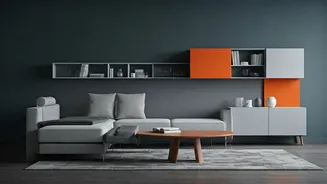
Layouts aren’t just about how things look; they're about how they function and how you move through them. In smaller dining areas, square breakfast nooks, or tight living room arrangements, sharp corners are the enemy of good flow. A rectangular or square coffee table can create an obstacle course, leading to bruised shins and awkward navigation. Swapping it for a round or oval coffee table instantly softens the space and creates easier pathways around it. The same logic applies to dining tables. A round pedestal table allows you to squeeze in an extra chair more comfortably than a rectangular one with four legs, making it a perfect, more social solution for compact eating spaces.
Opt for Visually Lightweight Pieces
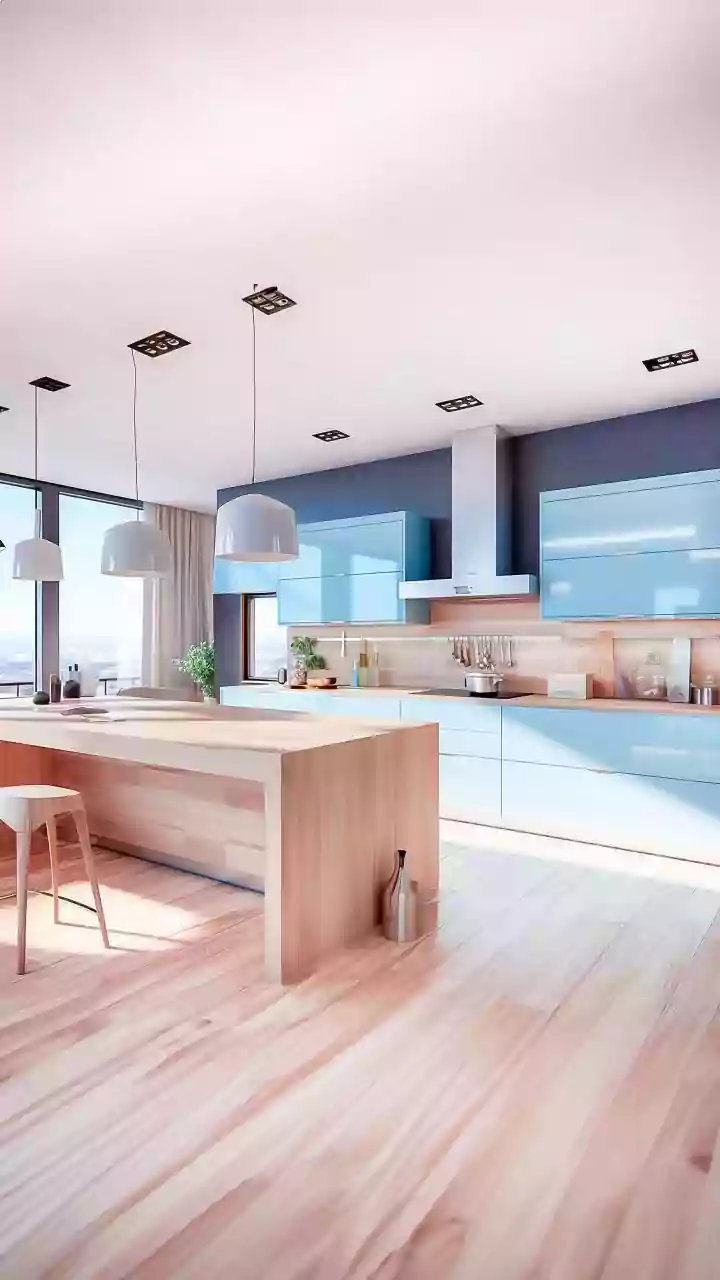
Some furniture takes up less visual space, even if its physical footprint is the same. These 'visually lightweight' pieces are your best friends in any room you want to feel larger. Materials like glass, acrylic, and lucite are champions here. A glass coffee table or a clear acrylic console table does its job without adding any visual bulk, allowing the eye to travel through it to the floor or wall beyond. Similarly, furniture with thin metal frames, light-colored wood, or an open-weave rattan construction feels less heavy than a solid, dark wood armoire. This isn’t about making everything disappear, but about balancing your heavier, statement pieces with lighter elements that keep the room from feeling weighed down.