






An Antidote to the Modern World
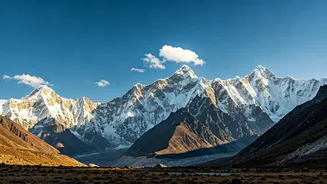
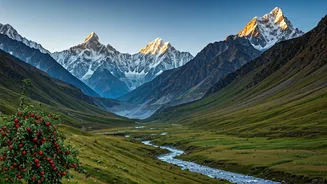
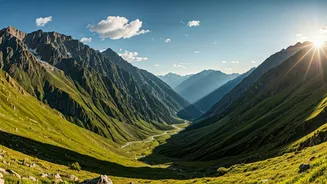
Tucked away in the Uttarkashi district of Uttarakhand, India, Harsil is less a destination and more a state of being. Situated at an altitude of over 8,000 feet on the banks of the Bhagirathi River, this tiny village is a world away from the frantic pace
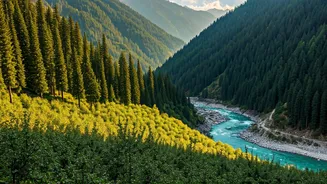
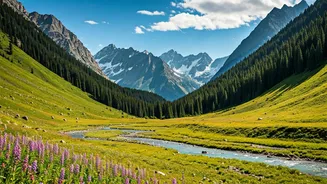
of urban life. There are no sprawling malls, no traffic jams, no cacophony of sirens. The 'madness' referenced in its description is everything it pointedly lacks. Here, the loudest sounds are the rushing river, the whisper of wind through dense deodar cedar forests, and the occasional toll of a temple bell. For the American traveler accustomed to a constant barrage of stimulation, arriving in Harsil feels like an exhale you didn't know you were holding.
Where the River Sets the Rhythm
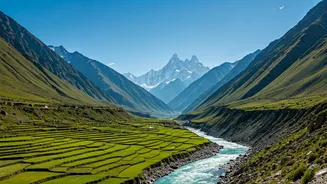
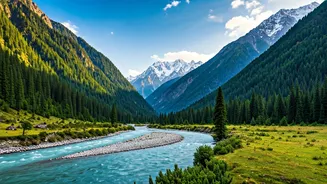
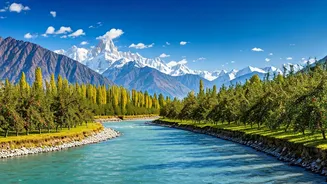
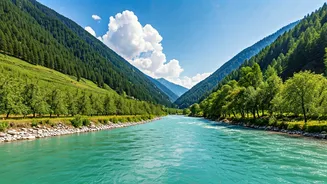
The lifeblood of Harsil is the Bhagirathi River, a powerful, turquoise-blue waterway that is one of the two main headstreams of the sacred Ganges. The river doesn't just flow past the village; it defines it. Its constant, soothing roar provides the soundtrack to daily life, a natural white noise machine that washes away mental clutter. Locals and the few travelers who venture here spend hours simply sitting by its banks, watching the glacial meltwater tumble over ancient stones. The river is both a physical presence and a spiritual one, a reminder of nature's enduring power and patience. It carves the landscape and, in a way, reshapes the priorities of anyone who spends time near it.
An Eden of Apples and Legends
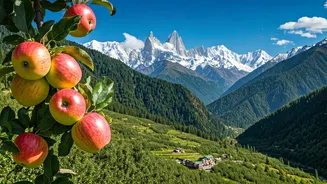
Harsil is famous across India for one thing: its apples. The valley is dotted with lush orchards that produce some of the country's most crisp and flavorful varieties. This agricultural legacy is often attributed to Frederick 'Pahari' Wilson, a British adventurer who deserted the army in the 19th century and settled in Harsil. He is credited with introducing commercial apple cultivation to the region, transforming its economy. Today, strolling through these orchards, especially during blossom or harvest season, is a sensory delight. The sweet scent of apples hangs in the cool mountain air, and the sight of gnarled trees heavy with fruit against a backdrop of snow-capped peaks is pure mountain poetry. It’s simple, productive, and profoundly peaceful.
The Gateway to a Sacred Journey
While Harsil itself is a haven of quiet, it also serves as an important stop on a deeply significant spiritual path. It lies on the route to the Gangotri shrine, one of the four holy sites in the Char Dham pilgrimage circuit, which draws hundreds of thousands of Hindus each year. Many pilgrims stop in Harsil to acclimate and rest before making the final, arduous leg of their journey to the source of the Ganges. This imbues the village with a quiet, reverent energy. You see not just trekkers seeking adventure, but also devotees seeking salvation. This blend of natural beauty and spiritual gravity creates a unique atmosphere where the earthly and the divine feel remarkably close.