




For All-Day Energy
Forget the quick sugar rush that leads to an inevitable crash. Sustained energy comes from a smart combination of complex carbohydrates, lean protein, and healthy fats. Think of it as putting slow-burning logs on a fire instead of a piece of paper. Complex
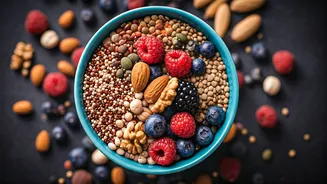
carbs, found in foods like oatmeal, quinoa, sweet potatoes, and whole-grain bread, provide a steady release of glucose, your body’s primary fuel source. Pairing them with protein and fat slows digestion even further, preventing the blood sugar spikes and dips that kill your afternoon productivity. Start your day with a bowl of oatmeal topped with nuts and berries instead of a sugary pastry. For lunch, a salad with grilled chicken, chickpeas, and an olive oil-based dressing will power you through the afternoon better than a slice of pizza. And when you need a snack, reach for an apple with peanut butter or a handful of almonds. These choices provide the building blocks your cells need to produce energy efficiently, helping you avoid that dreaded 3 p.m. slump and stay active from morning to night.
For Sharper Focus
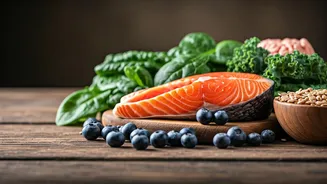
Brain fog isn't a life sentence. The right foods can provide the nutrients your brain needs to fire on all cylinders. At the top of the list are omega-3 fatty acids, particularly DHA, which is a major structural component of the brain and retina. Fatty fish like salmon, mackerel, and sardines are packed with it. For plant-based sources, look to walnuts, chia seeds, and flaxseeds.
Antioxidants also play a crucial role by protecting the brain from oxidative stress, a form of cellular damage. Blueberries, in particular, are famous for their high concentration of flavonoids, compounds linked to improved cognitive functions like memory and learning. Dark chocolate (with at least 70% cacao) offers flavonoids and a small amount of natural caffeine for a gentle cognitive lift. Speaking of caffeine, a morning cup of coffee or green tea can certainly enhance alertness, but moderation is key. Too much can lead to jitters and a subsequent crash, undermining your goal of sustained focus.
For a Happy Gut
Your gut is home to trillions of microorganisms, collectively known as the gut microbiome. This complex ecosystem influences everything from digestion and mood to immunity. Keeping it balanced and thriving is one of the most powerful things you can do for your overall health. The key is to feed the good bacteria with prebiotics and replenish them with probiotics.
Prebiotics are types of dietary fiber that your beneficial gut bacteria love to eat. You can find them in a wide range of plant foods, including garlic, onions, asparagus, bananas, and whole grains. Essentially, a high-fiber diet is a pro-microbiome diet. Probiotics, on the other hand, are live beneficial bacteria found in fermented foods. Incorporating plain yogurt with live cultures, kefir (a fermented milk drink), sauerkraut, kimchi (a spicy Korean fermented cabbage), and kombucha can help introduce diverse, helpful microbes into your system. A healthy gut digests food more efficiently, reduces bloating, and forms the foundation for a strong immune system.
For Resilient Immunity
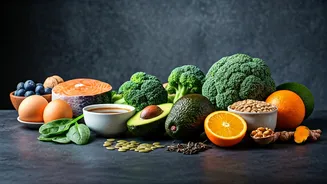
While no single food can magically "boost" your immune system or prevent you from ever getting sick, a well-rounded, nutrient-dense diet is fundamental for supporting its normal function. Your immune cells require adequate vitamins and minerals to work properly. Vitamin C, a powerful antioxidant found in citrus fruits, bell peppers, strawberries, and broccoli, is essential for the production and function of white blood cells. Zinc, found in lean meats, chickpeas, lentils, and pumpkin seeds, is another critical mineral for immune cell development.
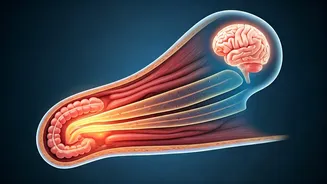
Furthermore, the gut-immunity connection is incredibly strong—around 70% of your immune system resides in your gut. By nourishing your gut microbiome with the prebiotic and probiotic foods mentioned earlier, you are directly supporting your body’s primary defense system. A diverse microbiome helps regulate immune responses and strengthens the gut wall, preventing unwanted pathogens from entering your bloodstream. Think of it less as building a fortress and more as tending a garden: a healthy, diverse diet creates an environment where your immune system can function at its best.