



From Beverage to Star Ingredient
Forget everything you thought you knew about matcha being confined to a morning mug. On the subcontinent, the fine Japanese green tea powder is experiencing a creative renaissance. The term “matcha plates” doesn’t refer to green-colored ceramic, but a full-blown
culinary movement where matcha is the headline act in both sweet and savory dishes. Chefs in metropolitan hubs like Mumbai, Delhi, and Bengaluru are embracing its complex flavor profile—a blend of grassy, umami, and subtly bitter notes—as a versatile tool for innovation. This isn't just about adding a trendy ingredient; it's about deconstructing its essence and weaving it into the fabric of modern Indian cuisine. The result is a wave of dishes that are as visually stunning as they are delicious, challenging diners to see matcha in a whole new light.
The Perfect Antidote to Summer Heat
So, why now? And why summer? In a country where summer temperatures can be punishingly high, diners crave food that feels light, clean, and refreshing. Matcha fits the bill perfectly. Its inherent vegetal notes and clean finish offer a welcome contrast to the heavy, spice-laden dishes often associated with colder months. Chefs are using it to create desserts that are less cloyingly sweet, like matcha cheesecakes, panna cottas, or even a twist on the classic Indian yogurt dish, shrikhand. The powder’s cooling sensation and antioxidant properties are also a clever marketing hook, positioning these menu items as a delightful, almost healthful, indulgence. By incorporating matcha, restaurants are signaling a shift toward a lighter, more contemporary approach to seasonal eating that aligns perfectly with the modern Indian consumer’s palate.
A New Kind of East-Meets-East Fusion
The trend represents a fascinating fusion, but not the East-West combination Americans might expect. Instead, it’s a story of pan-Asian creativity, where a quintessentially Japanese ingredient finds a new home in the Indian kitchen. This isn’t about simply placing a matcha tiramisu on the menu. The most exciting examples show a deep understanding of both flavor profiles. Picture a matcha-dusted soft-shell crab, where the tea’s umami enhances the sweetness of the seafood. Or imagine traditional Indian sweets like malpua (a small pancake) or barfi (a milk-based fudge) reimagined with a green tea twist, cutting through the richness with its earthy notes. This culinary dialogue shows how global ingredients are no longer just imported but are being adopted and adapted, creating a new, localized language of flavor that is uniquely and excitingly Indian.
An Instagrammable Shade of Green
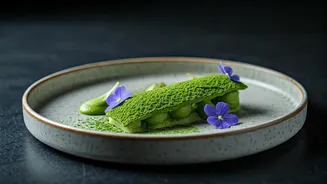
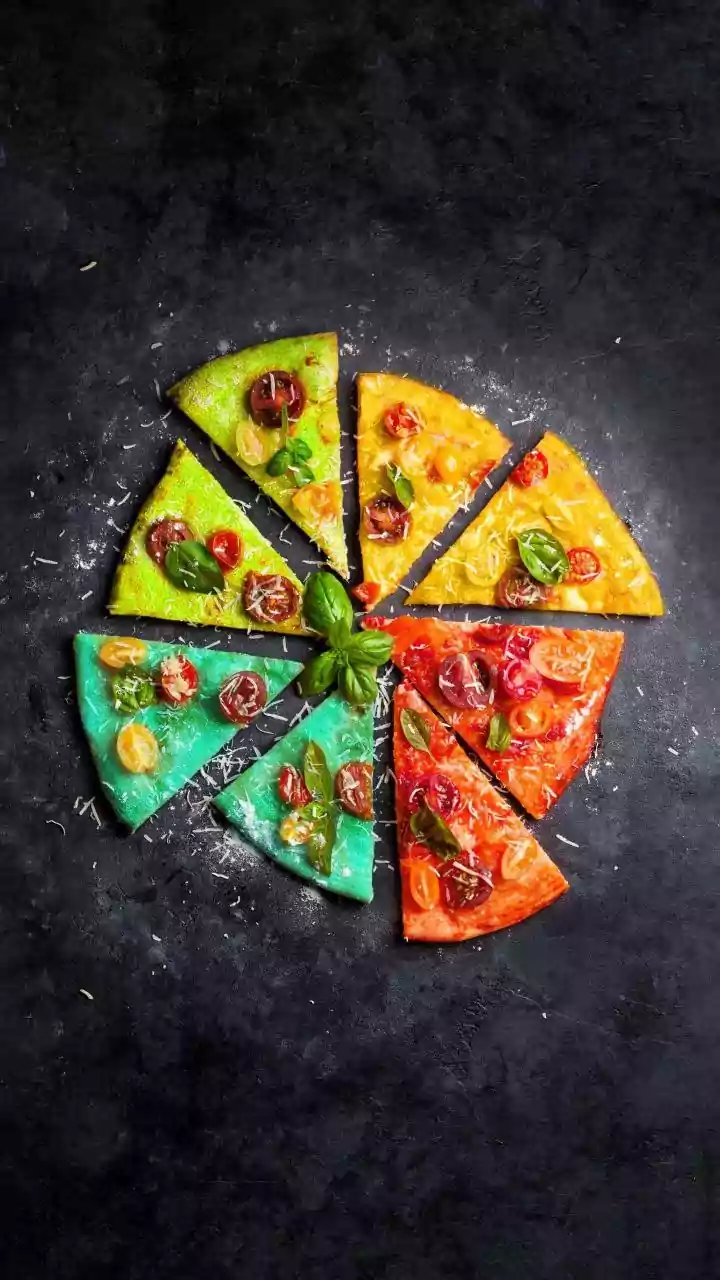
Let’s be honest: in 2024, a food trend doesn’t truly take off unless it looks good on social media. Matcha’s vivid, almost electric green hue is its secret weapon. It provides a stunning visual pop that makes any dish instantly Instagram-worthy. A swirl of green in a dessert, a dusting over a savory appetizer, or the rich color of a matcha-based ice cream makes for a compelling image that screams “new and exciting.” This aesthetic appeal is a huge driver of its popularity, especially among younger, urban diners who are eager to document their culinary adventures. For restaurants, a beautiful matcha dish is not just food; it's a marketing asset. The “glow-up” in the headline is literal—these dishes are brightening feeds and menus, drawing in curious customers who eat with their eyes first.