





Embrace the Rain, Don’t Flee It
For most American travelers, planning a vacation revolves around avoiding rain at all costs. We chase the sun, scrutinizing weather charts for the driest possible window. But in certain corners of the world, the rainy season isn't an obstacle; it's the main
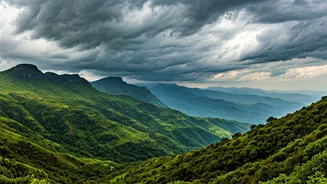
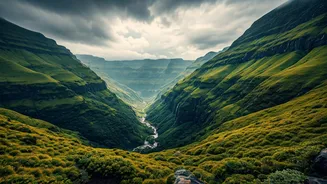
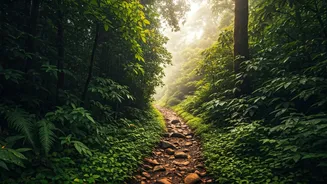
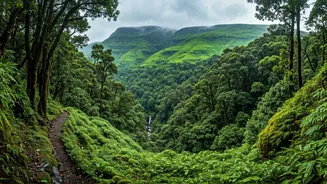
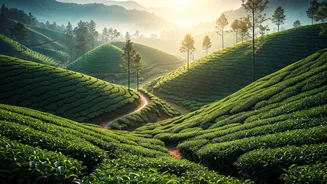
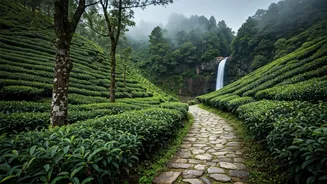
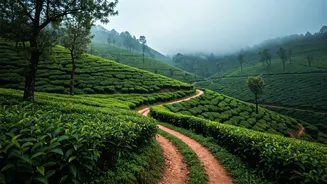
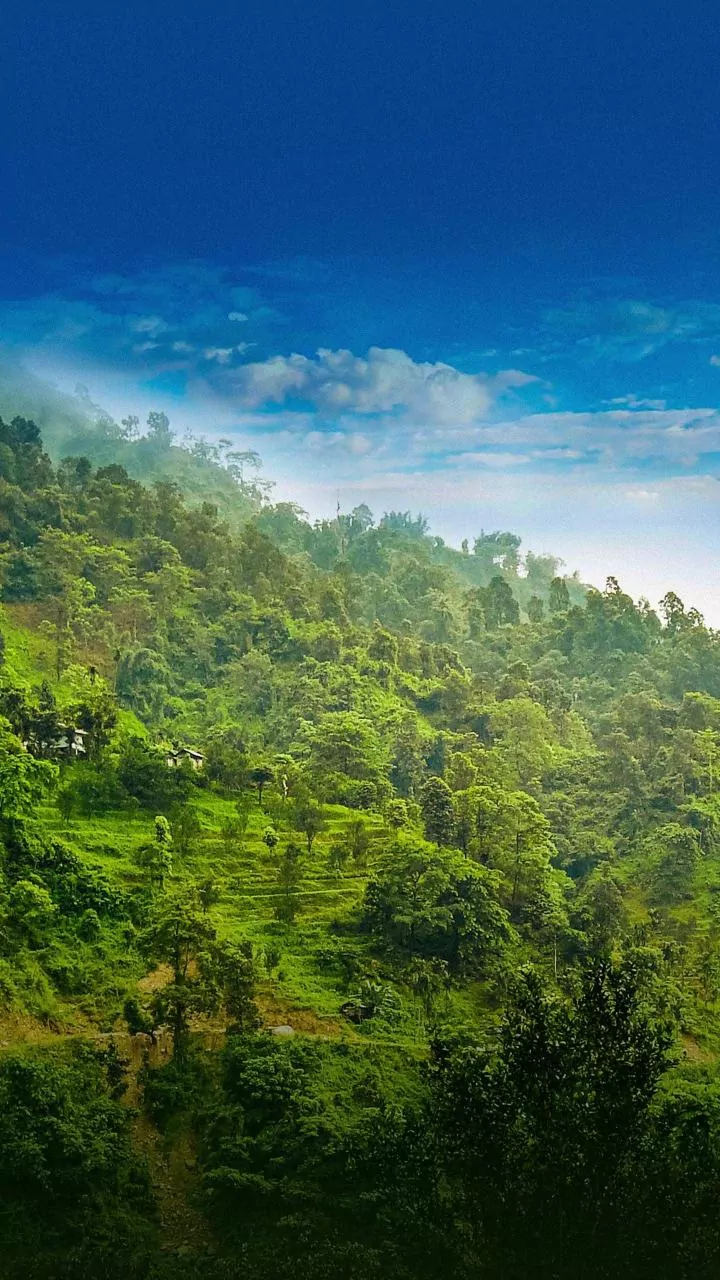
event. In the Western Ghats of Southern India—a lush mountain range that is a UNESCO World Heritage site—the monsoon season from June to September is a period of spectacular transformation. The landscape, parched from the preceding heat, erupts into an almost impossibly vibrant green. Mist hangs heavy in the valleys, waterfalls cascade down hillsides that were bare weeks before, and a profound sense of quiet renewal settles over the land. This isn't just weather; it's an atmosphere. It’s an invitation to slow down, curl up with a book, and watch the world drink itself back to life.
The Plantation Stay Experience
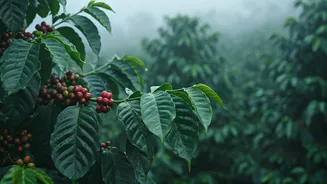
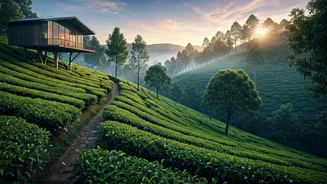
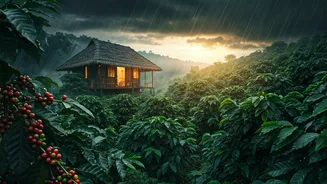
Staying on a coffee estate during this time is an immersion into a sensory world. These aren't sterile hotel rooms; they are often heritage bungalows or intimate homestays, nestled among acres of Arabica and Robusta plants, shaded by towering fig and rosewood trees. Your mornings begin not with an alarm, but with a chorus of birdsong and the distant call of a peacock. A walk through the plantation is a lesson in botany and fragrance, with cardamom, pepper vines, and oranges growing alongside the coffee cherries. The owners, often third or fourth-generation planters, act as your guides, explaining the journey from bean to cup. You’ll learn to distinguish the scent of coffee blossoms from the aroma of drying beans. The experience culminates, of course, in sipping some of the freshest, most flavorful coffee you’ve ever tasted, often brewed in a way that’s been passed down for generations.
Where to Find Your Green Escape
Three regions in Southern India are the epicenter of this unique travel style. First is Coorg (Kodagu) in Karnataka, often called the “Scotland of India” for its rolling hills and misty climate. It’s the most established destination for coffee tourism, offering a wide range of stays from luxurious resorts to cozy, family-run homestays. Next is Chikmagalur, also in Karnataka, which is literally the birthplace of coffee in India. It’s slightly more rugged and less commercialized than Coorg, appealing to those who want a deeper sense of tranquility. Finally, there's Wayanad in the neighboring state of Kerala. Here, coffee plantations are interwoven with tea gardens and spice farms, offering a rich tapestry of agricultural and natural beauty, along with stunning trekking routes and ancient caves to explore.
More Than Just a Cup of Joe
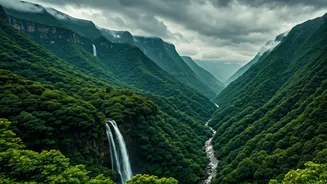
While coffee is the star of the show, it's far from the only attraction. The monsoon replenishes the region’s magnificent waterfalls, making them a powerful sight to behold (from a safe distance). The damp earth is a paradise for birdwatchers and amateur photographers, with exotic flora and fauna on full display. The local cuisine, which often features ingredients foraged from the surrounding forest and estate, is a revelation. Dishes like Coorg’s Pandi Curry (a spicy pork dish) or Kerala’s rich stews are the perfect comfort food for a rainy day. Ultimately, a plantation stay is an excuse to disconnect. It's about trading screen time for long conversations, swapping traffic noise for the sound of raindrops, and rediscovering the simple pleasure of being in nature.