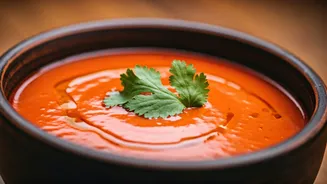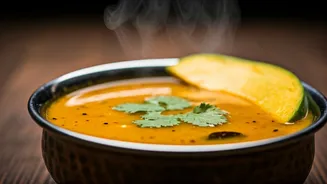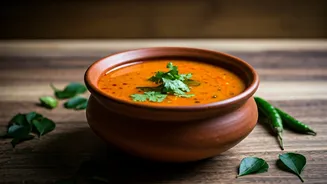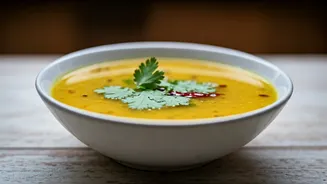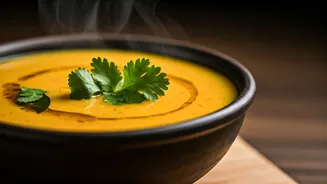



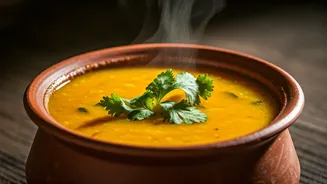
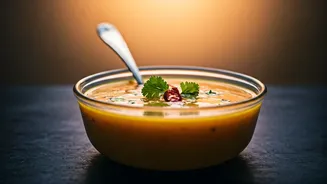
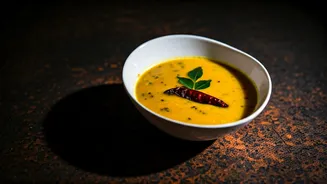
First, What Is Rasam?
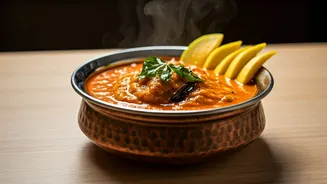
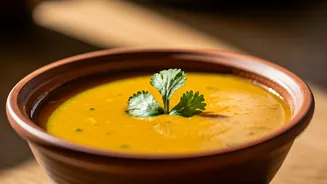
Before we get to the mango, let’s talk about rasam. For millions in South India, this is the definitive taste of home. Rasam is a thin, peppery, and typically sour soup-like broth that is a cornerstone of the regional cuisine. Think of it as a cousin
to chicken noodle soup in the American psyche, but with a completely different flavor profile. The base is usually a tamarind or tomato broth, simmered with a fragrant blend of spices known as rasam powder—typically a mix of coriander, cumin, black peppercorns, dried red chilies, and lentils. It’s light on the stomach, often served as a second course over a mound of plain rice, and revered for its digestive and restorative properties. Many families have their own heirloom rasam powder recipe, a pinch of which can transform a simple meal into something deeply personal and comforting.
The Magic of Mango
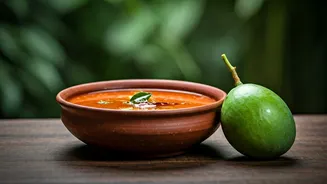
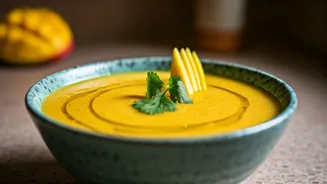
Now, add mango to the equation. When the headline mentions “mango rasam,” it’s often referring to a specific kind: *manga rasam*, made with raw, green, unripe mangoes. This is where the “tangy” part of the experience kicks into high gear. While traditional rasam gets its sourness from tamarind, using green mango introduces a sharp, bright, and almost electric tartness that’s completely distinct. The fruit is typically cooked down until it’s soft and has infused its essence into the broth. The result isn't a sweet, tropical soup. It's a zesty, aromatic, and invigorating liquid that cuts through richness and awakens the palate. It’s the flavor of summer arriving, a seasonal treat that makes the most of the mango harvest before the fruit fully ripens. A less common but equally delicious variation, *mambazha rasam*, uses sweet, ripe mangoes, creating a beautiful sweet, spicy, and sour dance of flavors.
More Than Just a Soup
In the U.S., we tend to think of soup as a standalone meal, served in a large bowl with a spoon. Rasam functions differently. While you can certainly sip it on its own—and many do, especially when feeling under the weather—it truly shines as part of a larger meal. The traditional way to eat rasam is to pour a small ladleful over hot, steamed rice. You mix it with your fingers (or a spoon), creating a soupy rice that is both comforting and easy to eat. It acts as a palate cleanser after a heavier first course and prepares you for the yogurt and rice that often concludes a South Indian meal. Its thin consistency and potent flavor are designed to complement rice, not overpower it. It's a functional food that also happens to be incredibly delicious.
The Definition of Comfort
So, what makes it comfort in a bowl? It’s a multi-sensory experience. It’s the warmth of the broth, the sharp kick of black pepper and chili that clears your sinuses, and the bright, acidic tang from the mango that makes your mouth water. For many who grew up with it, the smell of rasam simmering on the stove is the smell of a parent’s care. It’s the first thing offered when you have a cold, a fever, or an upset stomach. The ingredients are simple, but the alchemy of spices, sourness, and heat creates something profoundly soothing. It’s a reminder that comfort doesn't always have to be rich or heavy. Sometimes, the most comforting thing is a flavor that is clean, bright, and makes you feel instantly better.