








More Than Just a Meal
For generations, Indian kitchens have been home to a sophisticated understanding of how food impacts well-being. This wisdom, often rooted in Ayurveda—the subcontinent's ancient system of medicine—posits that what we eat directly influences our energy,
mood, and mental clarity. Today, this philosophy is experiencing a powerful resurgence. In WhatsApp groups, on Instagram feeds, and in everyday conversations across India and its diaspora, people are looking past fleeting diet fads and returning to traditional ingredients prized for their cognitive benefits. This isn't about chasing a single 'superfood,' but rather embracing a holistic approach where diet is a foundational pillar of mental performance and focus.
Turmeric: The Golden Healer
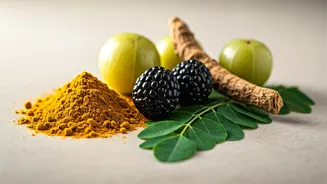
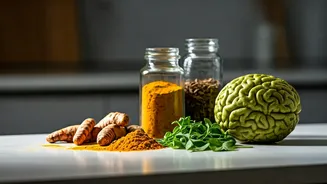
No spice is more synonymous with Indian cooking than turmeric, or haldi. Its brilliant yellow hue colors countless curries and lentil dishes. But its traditional value extends far beyond the plate. In Ayurveda, turmeric is revered for its potent anti-inflammatory properties, largely attributed to its active compound, curcumin. The modern wellness conversation has seized on this, connecting chronic inflammation to cognitive decline and brain fog. The theory is that by reducing inflammation, turmeric can help support a healthier brain environment. This has led to everything from turmeric lattes to curcumin supplements flooding the market, but for many, the focus is on simply incorporating this age-old spice more consciously into daily meals.
Ashwagandha: The Stress Buster
If you feel like you're hearing about ashwagandha everywhere, you're not wrong. This powerful herb is a cornerstone of Ayurvedic medicine and is classified as an adaptogen—a natural substance considered to help the body adapt to stress. For centuries, it has been used to promote vitality, reduce anxiety, and improve resilience. Its entry into 'focus' conversations is rooted in the simple fact that a stressed mind can't concentrate. By helping to modulate the body's stress response (specifically, by potentially lowering cortisol levels), ashwagandha is believed to clear the mental static that hinders focus and executive function. It's now commonly found in powders added to smoothies, in teas, and in capsules.
Brahmi: The Brain Tonic
Perhaps no ingredient is more directly linked to cognitive enhancement in Indian tradition than Brahmi. Named after Brahma, the Hindu creator god, this herb has been used for thousands of years as a medhya rasayana, or a substance that supports memory and intellect. Traditionally, it was given to students to help them with concentration and memorization. Today, it’s a key player in the focus-food trend. While robust clinical evidence is still developing, its long-standing reputation has made it a popular ingredient in wellness teas and supplements aimed at those looking for a mental edge. Its slightly bitter taste means it’s less of a culinary ingredient and more of a targeted addition to a wellness routine.
Ghee: The Mind-Nourishing Fat
For decades, fat was the enemy in Western dietary thinking. But in Ayurveda, pure, high-quality fat like ghee (clarified butter) has always been celebrated as a vital nutrient. Ghee is considered a carrier (anupana), believed to help transport the medicinal properties of herbs and spices deeper into the body's tissues. More importantly for brain health, it’s a source of healthy saturated fats and omega-3 fatty acids, which are critical building blocks for brain cells and nerve function. The modern take is that nourishing your brain with good fats is essential for maintaining cognitive function, memory, and focus. The trend sees people adding a spoonful of ghee to their morning coffee, drizzling it over steamed vegetables, or simply using it as their primary cooking oil, reclaiming it as a health food.