





The Unexpected Recall Notice
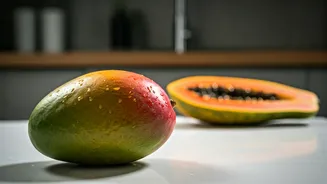
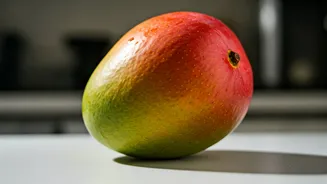
Just as grocery stores began stocking up on spring and summer fruit, the U.S. Food and Drug Administration (FDA) issued a series of import alerts and recall notices. The culprit? Salmonella contamination found on the skin of fresh, whole mangoes. In spring 2024,
multiple recalls were initiated for organic and conventional mangoes distributed to retailers across several states. These weren't isolated incidents but part of a pattern that put a damper on the start of peak mango season, leaving consumers wondering if their favorite tropical fruit was safe to eat.
The Hot Water Treatment 'Twist'
Here’s the plot twist promised by the headlines. The contamination isn't just a random event; it appears to be linked to a process designed to make mangoes *safer*. To prevent fruit flies from entering the U.S., the Department of Agriculture (USDA) requires many imported mangoes to undergo a hot water treatment. In this process, mangoes are submerged in hot water for a specified time to kill any potential pests. However, food safety experts and recent FDA findings suggest this very process might be creating an environment where Salmonella can thrive. If the water isn't perfectly clean or if the process isn't executed flawlessly, it can transfer bacteria from a few contaminated mangoes to an entire batch. Even worse, the hot water can cause microscopic damage to the mango’s skin, potentially allowing pathogens to get a foothold.
Who Is at Risk?
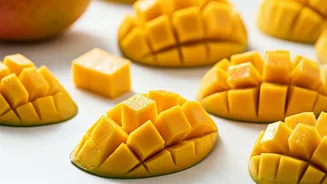
Salmonella is a common bacterial infection that can cause diarrhea, fever, and stomach cramps. For most healthy people, the illness is unpleasant but resolves within a week. However, for young children, older adults, and individuals with weakened immune systems, a Salmonella infection can be severe and even require hospitalization. The primary risk with the contaminated mangoes comes from cross-contamination in the kitchen. Even if you don't eat the skin, cutting through a contaminated peel can transfer bacteria from the skin to the flesh of the fruit via the knife. The pathogen can also spread to your cutting board, hands, and other foods, creating a wider risk of illness.
How to Enjoy Mangoes Safely
This news doesn't mean you need to banish mangoes from your kitchen entirely. Instead, it’s a powerful reminder of the importance of safe food handling practices. First and foremost, always wash your produce, even fruits with a thick peel you don't intend to eat. For mangoes, this is now non-negotiable. Wash your hands with soap and water before and after handling the fruit. Use a clean vegetable brush to scrub the mango's skin under running water. Most importantly, use a clean knife and a clean cutting board every single time. By preventing the transfer of bacteria from the outside to the inside, you dramatically reduce your risk. It’s also wise to stay informed about active recalls through the FDA's official website.