




The New Definition of 'Top Shelf'
For years, the ultimate menu “flex” was a rare bourbon, an obscure vintage, or a meticulously crafted cocktail. It was about exclusivity, complexity, and, often, alcohol content. But a cultural shift is underway. Today, ordering a tart, bubbly, and slightly
funky fermented tea isn't just a health-conscious choice—it's a statement. Welcome to the era of the gut-friendly beverage, where wellness has become the new luxury. This trend is driven by a perfect storm of consumer interests. Younger generations, particularly Millennials and Gen Z, are drinking less alcohol than their predecessors. Simultaneously, the wellness movement has reframed health not as a chore, but as a core part of personal identity and social currency. Your diet, your workout, and now, your non-alcoholic beverage of choice, are all signals of a sophisticated, modern lifestyle. Restaurants and bars have taken notice, realizing that a thoughtful, diverse non-alcoholic menu is no longer an afterthought but a primary draw.
So, What Makes a Drink 'Gut-Friendly'?
The term “gut-friendly” is a broad umbrella for drinks that contain ingredients believed to support a healthy digestive system. Most often, this refers to probiotics and prebiotics. Probiotics are live beneficial bacteria, often found in fermented foods and drinks like kombucha and water kefir. The idea is that these “good” microbes can help balance your gut microbiome. Prebiotics, on the other hand, are a type of fiber that your body can't digest. Instead, they act as food for the beneficial bacteria already living in your gut. You’ll find these in a new wave of “functional sodas.” While the science on the specific benefits of these drinks for every individual is still developing, the core concept taps into a growing public understanding that gut health is linked to overall well-being, from digestion to mood. For menus, the label serves as a powerful shorthand for “thoughtful, modern, and probably good for you.”
Kombucha: The Gateway Ferment
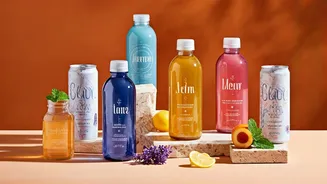
Kombucha was the pioneer. Once a niche product found only in health food stores, this fermented tea is now a full-blown star. The flex isn't just having a bottle in the cooler; it's offering multiple flavors of kombucha on tap, just like craft beer. These taproom-style offerings are often locally brewed, featuring unique, chef-driven flavors like jalapeño-peach or lavender-lemonade. Its natural effervescence and complex, slightly vinegary profile make it a compelling alternative to soda or an alcoholic drink, satisfying the desire for something more interesting than water.
Shrubs & Switchels: The Old-School Revival
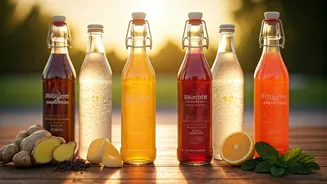
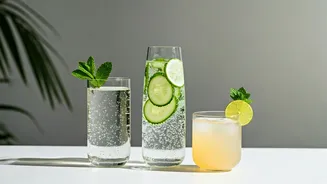
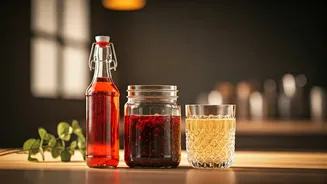
Digging deeper into the gut-friendly wave, chefs are reviving colonial-era preserving techniques to create shrubs and switchels. A shrub is a non-alcoholic syrup made from fruit, sugar, and vinegar. Mixed with sparkling water, it creates a sweet-tart drink that’s incredibly refreshing and complex. A switchel is similar, typically using apple cider vinegar and sweetened with molasses or maple syrup, often with ginger for a spicy kick. These aren't just healthy; they are culinary creations. A house-made strawberry-balsamic shrub is a testament to a kitchen’s skill and creativity, offering a flavor experience you can’t get from a can.
Functional Sodas: The New Guard
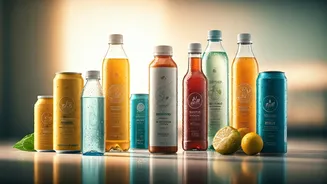
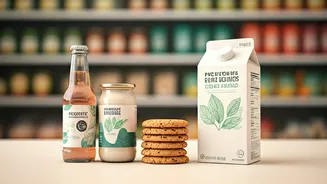
The latest players in this space are functional sodas from brands like Olipop and Poppi. These brightly colored cans look like craft sodas but are formulated with prebiotics (like plant fiber) and botanicals, all with significantly less sugar than a traditional Coke or Pepsi. They hit the nostalgic notes of classic soda flavors—root beer, vintage cola, orange squeeze—while delivering ingredients aligned with modern wellness goals. Their rapid ascent from online darlings to fixtures in mainstream grocery stores and even casual restaurants signals a massive consumer appetite for healthier indulgence.