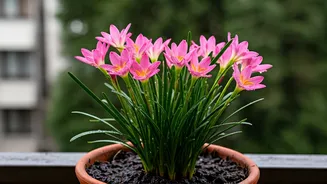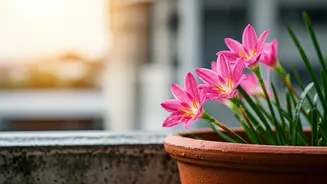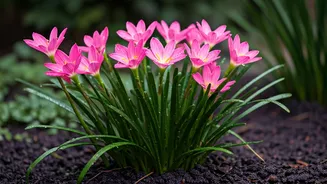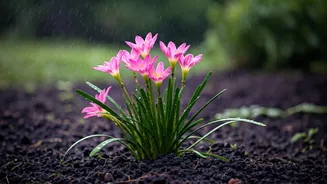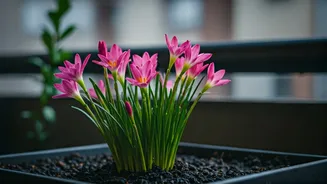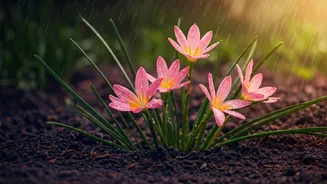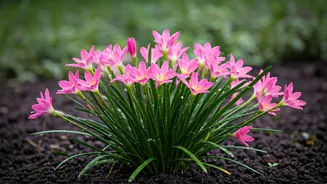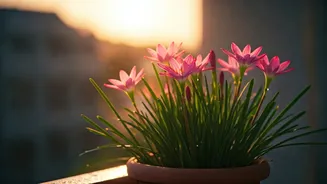




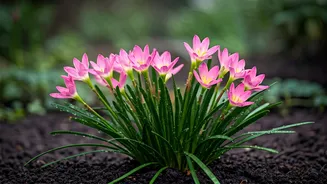
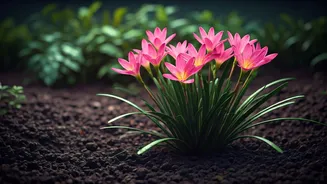


What Exactly Are Rain Lilies?
Don’t let the name fool you—rain lilies aren't true lilies. They belong to the genus Zephyranthes and are small, flowering bulbs in the amaryllis family. Native to the Americas, they’ve earned their poetic name for a charming, almost magical habit: they often
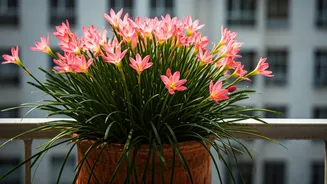
burst into bloom within days of a good soaking rain, especially after a dry spell. Picture this: your balcony is quiet one day, and after a summer thunderstorm, it’s suddenly decorated with delicate, crocus-like flowers on slender green stems. These blooms, which typically appear from late spring through fall, come in shades of white, pink, and sunny yellow. The flowers are fleeting, lasting only a few days, but the plants often bloom in successive waves, providing a season-long series of delightful surprises.
The Perfect Balcony Companion
So why are they the bloom to watch for urban gardeners? It comes down to a perfect storm of positive traits. First, their compact size is a major asset. The grassy foliage grows only about a foot tall, and the flowers sit just atop the leaves, making them ideal for containers of any size without overwhelming the space. Second, they are remarkably tough. Rain lily bulbs are drought-tolerant once established and don't mind a bit of neglect. In fact, withholding water can sometimes encourage a more dramatic bloom after the next watering. This resilience makes them a forgiving choice for busy people or beginner gardeners. Finally, they thrive in the exact conditions most balconies offer: plenty of direct sunlight. Give them a sunny spot, and they will reward you handsomely.
How to Grow Your Own
Getting started with rain lilies is incredibly simple. You’ll be planting bulbs, which are widely available online or at garden centers in the spring. Planting: Choose a pot at least 6-8 inches wide with excellent drainage holes. Fill it with a standard, well-draining potting mix. Plant the small bulbs about 1-2 inches deep and 2-3 inches apart. Planting them in a dense cluster often creates the most dramatic floral display. Water them well after planting to get them started. Sunlight: Find the sunniest spot on your balcony. Rain lilies need at least six hours of direct sun per day to produce abundant blooms and maintain healthy foliage. A south- or west-facing balcony is perfect. Watering: This is where their low-maintenance magic shines. Water them thoroughly, then let the top inch or two of soil dry out completely before watering again. If you're going out of town for a week, they'll likely be fine. To trigger their famous blooming cycle, you can let the pot dry out for a couple of weeks in the summer and then give it a deep, thorough soaking to mimic a rainstorm. Fertilizer: They are not heavy feeders. A balanced, water-soluble fertilizer applied once or twice during the growing season is plenty. Too much nitrogen can lead to lush leaves but fewer flowers.
Choosing Your Colors
While all rain lilies are lovely, a few common species offer a beautiful palette for your container garden. Zephyranthes candida, the white rain lily, is a classic choice with pristine, star-shaped flowers that are especially striking against dark-colored pots. For a pop of color, look for Zephyranthes grandiflora, which boasts larger, vibrant pink blooms that make a cheerful statement. And for a dose of sunshine, Zephyranthes citrina offers brilliant yellow flowers. You can even mix the bulbs in a single large container for a multi-colored, spontaneous bouquet that appears after the next downpour. Part of the fun is not knowing exactly when they’ll show up—they’re a living, blooming weather forecast right on your patio.