

From Crisis to Comeback
Just a couple of years ago, Sri Lanka faced a daunting economic crisis marked by soaring inflation, fuel shortages, and political unrest that saw travelers stay away. For a country heavily reliant on tourism, the impact was devastating. But the story
has turned a corner with surprising speed. Thanks to an IMF bailout, difficult but necessary economic reforms, and a return to political stability, the island nation is rapidly getting back on its feet. The queues for gas are gone, shelves are restocked, and a sense of normalcy has returned. This newfound stability is the foundation of its tourism revival, creating a safe and welcoming environment for visitors who were once hesitant to make the trip. The resilience of the Sri Lankan people is palpable, and their eagerness to welcome tourists back is a huge part of the destination’s renewed charm.
New Perks and Easier Access
Sri Lanka isn't just waiting for tourists to return; it's actively rolling out the red carpet. A key factor driving the surge from India—and a major benefit for other international travelers—is a new visa-free entry pilot program for citizens of seven countries, including India, China, and Russia. This move slashes both the cost and the bureaucracy of planning a trip. Furthermore, in a significant step to simplify transactions for its largest tourist market, Sri Lanka has begun allowing the use of the Indian Rupee (INR) for payments. While American travelers will still rely on the Sri Lankan Rupee or credit cards, these policies are a strong indicator of the government’s focus on making travel as frictionless as possible. It shows a commitment to tourism that benefits everyone, creating a more streamlined and affordable experience on the ground.
The Irresistible 'Compact Paradise'
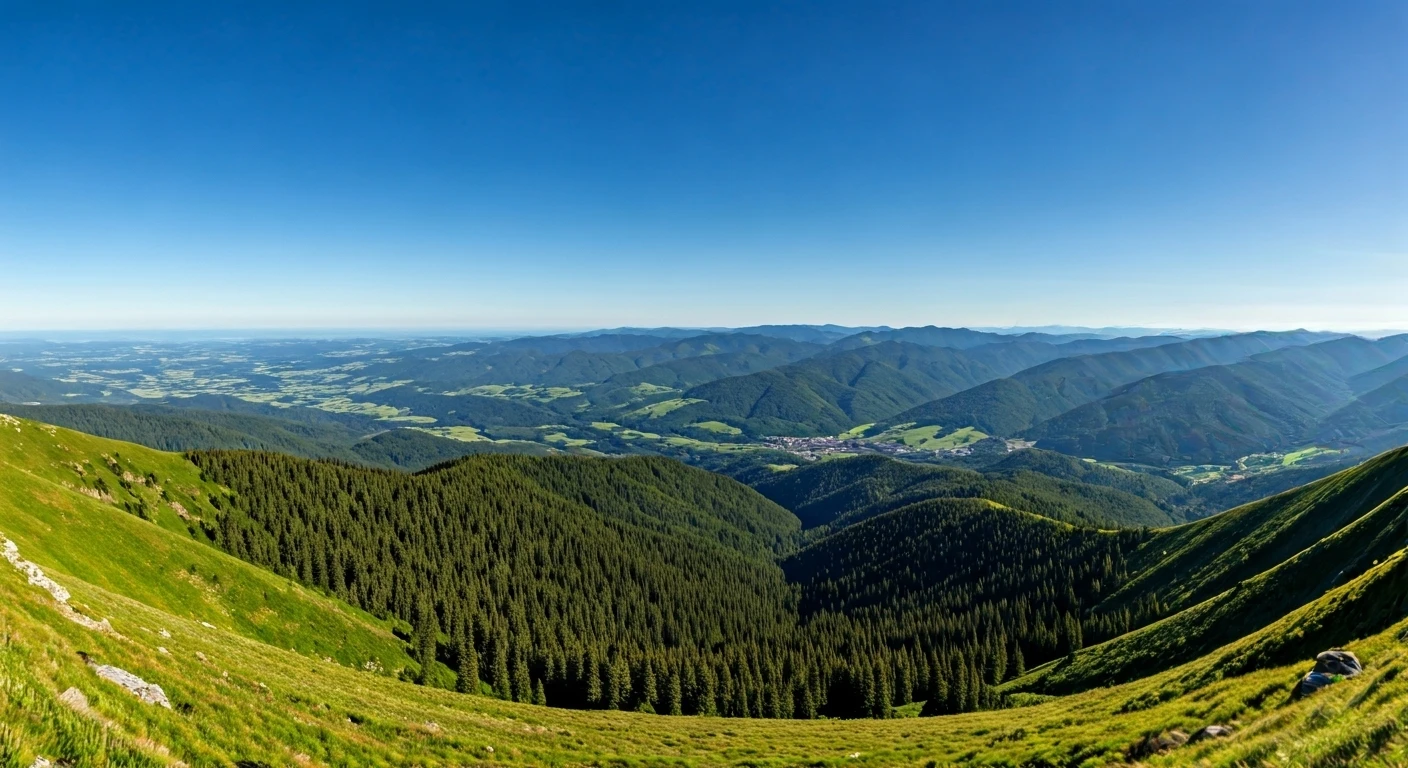
So, why is Sri Lanka so appealing in the first place? For American travelers, it offers an almost unbelievable amount of diversity packed into an island roughly the size of West Virginia. You can spend a morning watching elephants and leopards in a national park like Yala, enjoy lunch amid the lush, rolling green hills of the tea country around Nuwara Eliya, and watch the sunset over a palm-fringed beach on the south coast—all within a few hours’ drive of each other. This 'compact paradise' model means less time spent in transit and more time exploring. The island is a treasure trove of UNESCO World Heritage sites, from the ancient rock fortress of Sigiriya to the beautifully preserved colonial port city of Galle. This blend of nature, history, and culture is Sri Lanka’s core strength.
An Affordable Adventure with World-Class Flavor
As the country rebuilds its tourism sector, visitors are finding exceptional value. Accommodation, from boutique hotels to eco-lodges, offers luxury and charm at prices that are often significantly lower than in other popular tropical destinations. The same goes for activities and transport. But perhaps the greatest bargain is the food. Sri Lankan cuisine is a vibrant, aromatic, and often spicy experience that remains one of travel's best-kept secrets. From creamy coconut-based curries and crispy, bowl-shaped 'hoppers' (a type of pancake) to 'kottu roti' (chopped flatbread stir-fried with vegetables and spices), the food is a highlight in itself. Exploring local markets and roadside eateries offers a delicious and incredibly affordable way to connect with the island’s culture.