





The Decline of 'Checklist' Travel
For decades, Indian domestic tourism often followed a familiar script. Families and young people alike flocked to a handful of iconic destinations: the shimmering chaos of Goa’s beaches, the cool mountain air of Shimla, or the historical grandeur of Rajasthan’s
palace cities. The goal was often to see the big sights—a kind of “checklist” tourism driven by a mix of aspiration and tradition. Travel was an event, often a once-a-year splurge. Today, that model is being challenged. Younger Indians, particularly Millennials and Gen Z, are increasingly turning their backs on crowded, expensive hotspots. They are less interested in the bragging rights that come with visiting a famous landmark and more interested in the quality of the experience itself. This cohort, digitally native and globally aware, views travel not as a rare event but as a regular part of a balanced life, prompting a search for destinations that offer more for less.
Economic Reality and Smarter Spending
A primary driver of this trend is simple economics. While India’s economy is growing, its young urban professionals face a high cost of living, stagnant wages in some sectors, and a desire to maintain financial stability. Lavish, week-long stays at five-star resorts in major tourist hubs are becoming less attainable and, for many, less desirable. Instead, they are opting for what the industry calls “micro-cations” or shorter, more frequent trips.
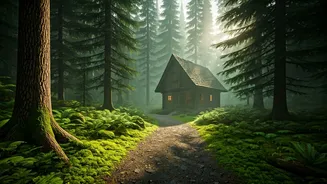
This budget-conscious mindset has fueled a boom in alternative accommodations. Homestays, boutique hostels, and eco-lodges in lesser-known towns offer an affordable and more intimate alternative to large hotel chains. By choosing destinations that are a drive or a short train ride away, travelers also save significantly on airfare. It’s a pragmatic approach: stretch the travel budget to allow for more getaways throughout the year, rather than concentrating it all on a single, expensive holiday.
The Search for Quiet and Authenticity
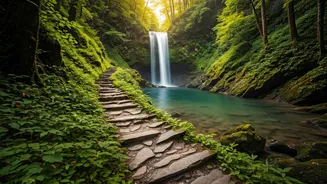
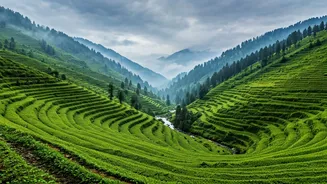
Beyond the financial calculus lies a deeper cultural motivation. After years of hustle culture and the sensory overload of urban life, many young Indians are actively seeking tranquility. They crave a genuine escape, not just a change of scenery. This has led them to “offbeat” destinations: sleepy fishing villages in coastal Karnataka, remote Himalayan hamlets in Uttarakhand, or the serene tea plantations of West Bengal. These places offer a slower pace of life and a chance to disconnect.
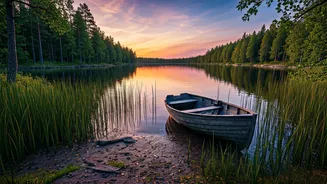
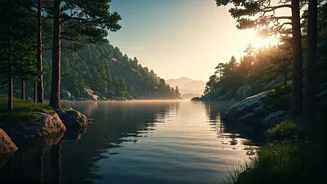
This desire for authenticity is also fueled by social media, but not in the way you might think. While the perfect Instagram shot is still a factor, the aesthetic has changed. Instead of party scenes in Goa, feeds are filled with misty mountains, quiet lakeside sunrises, and cozy homestay interiors. It’s a move away from performative fun toward a more introspective and aesthetically pleasing vision of leisure. Travelers want a unique story to tell, one that sets them apart from the tourist herd.
A Global Generational Echo
This trend isn’t unique to India. It mirrors a broader, global shift among younger generations. In the United States and Europe, Millennials and Gen Z have similarly championed road trips, national park visits, and stays in cabins or unique Airbnbs over traditional, high-cost city breaks. There is a shared weariness of over-tourism, which has rendered many famous global cities expensive and hollowed out.
Like their Indian counterparts, young Western travelers are driven by a blend of financial constraints and a post-pandemic desire for meaningful experiences rooted in nature and local culture. The rise of remote work has further enabled this, allowing for longer stays in non-traditional locations. The Indian trend is another verse in a global song of a generation redefining success and happiness, where peace and personal fulfillment are beginning to outweigh status and spectacle.