




1. The Rise of Low-Impact Cardio
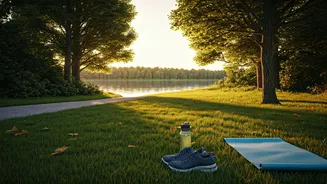
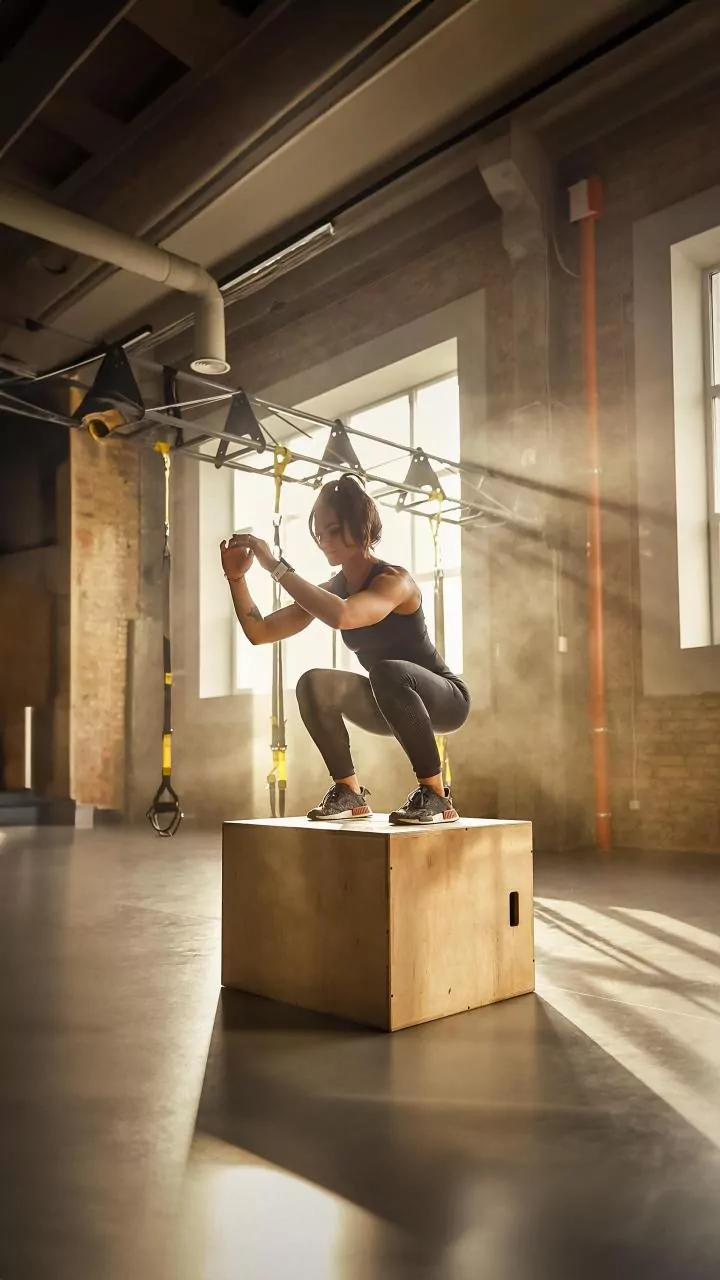
Remember when every fitness influencer was sprinting up a near-vertical treadmill incline? While High-Intensity Interval Training (HIIT) still has its place, the spotlight is now being shared with its gentler counterparts. Low-Impact Steady-State (LISS)
cardio is having a major moment. This includes activities like brisk walking (especially the viral 'hot girl walk'), swimming, cycling at a consistent pace, and using the elliptical. The appeal is obvious: LISS is easier on the joints, less intimidating for beginners, and can be just as effective for building cardiovascular endurance and managing stress. It reframes exercise not as a punishment to be endured, but as a consistent, pleasant part of your day—a cornerstone of a truly balanced routine.
2. Mobility as the Main Event
Stretching used to be the thing you did for three minutes—if you remembered—at the end of your workout. Now, mobility and flexibility work are becoming workouts in their own right. Dedicated mobility classes, foam rolling sessions, and 'functional range conditioning' are popping up in gyms and on apps. This shift acknowledges a simple truth: you can't be strong if you can't move well. The new focus is on improving joint health, preventing injury, and increasing your usable range of motion. It’s a move away from chasing a specific aesthetic and toward building a body that feels good and functions properly for decades to come. This is the definition of playing the long game with your health.
3. Exercise for Your Mind, Too
The line between mental and physical wellness has all but disappeared, and fitness trends are reflecting this integration. Workouts are increasingly being marketed for their mental health benefits—stress reduction, improved mood, and better focus—as much as for their physical ones. We’re seeing a resurgence of mindful practices like yoga and tai chi. Fitness apps are incorporating guided meditations and audio coaching focused on mindset. Even high-energy classes are now more likely to end with a few moments of quiet reflection and breathing exercises. This holistic view understands that you can't have a healthy body without a supported mind, turning a workout from a simple calorie burn into a comprehensive act of self-care.
4. The Hybrid Fitness Routine
The all-or-nothing approach to gym attendance is over. The future of fitness is hybrid, blending the convenience of at-home digital workouts with the community and equipment of an in-person gym. People are building flexible routines that fit their lives—a Peloton ride on Tuesday, a weightlifting session at the gym on Thursday, and a yoga class at a local studio on Saturday. This model gives consumers ultimate control and variety, preventing boredom and making it easier to stay consistent. It’s a balance between solo focus and social energy, recognizing that our fitness needs aren’t static and our routines shouldn’t have to be either.
5. Embracing 'Movement Snacks'
For many, the biggest barrier to exercise is time. The idea of carving out a full, uninterrupted hour can feel impossible. Enter the 'movement snack'—short, 5-to-15-minute bursts of activity sprinkled throughout the day. This could be a quick walk around the block between meetings, a set of squats while waiting for coffee to brew, or a short stretching routine before bed. This trend dismantles the belief that exercise only 'counts' if it's a long, sweaty session. It empowers people to accumulate activity in manageable bites, making fitness more accessible and less of a scheduling nightmare. It's a practical, balanced approach that meets modern life where it is.