
The Age of Maximalist Food
Let’s be honest: street food has had an incredible run. From food trucks serving Korean tacos to bustling night markets offering everything from bao buns to elote, the genre has defined a certain kind of adventurous, highly Instagrammable eating. It’s
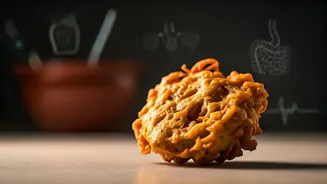
food that is loud, complex, and immediate. It promises a riot of flavor in every bite—a jolt of chili, a hit of lime, the satisfying crunch of something deep-fried. This food is an experience, an event. It's about chasing the next big, bold flavor, often while standing on a sidewalk, soaking in the urban energy. We’ve celebrated its authenticity, its accessibility, and its ability to turn a simple meal into a memorable story.
Enter the Humble Challenger
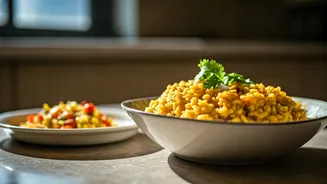
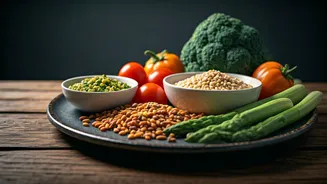
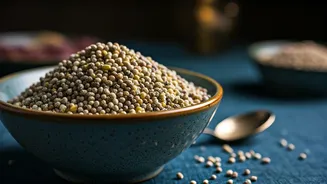
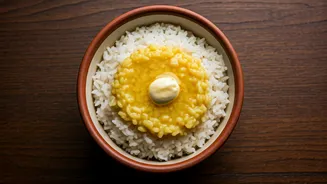
Now, picture the opposite. A single bowl, warm and steaming. No explosive crunch, no competing sauces, just a harmonious blend of rice and lentils cooked together until soft and yielding. This is khichdi (pronounced KITCH-a-dee). In India, it’s the ultimate comfort food. It's the first solid food a baby eats and the restorative meal you turn to when you’re feeling under the weather. It’s a simple, one-pot dish, seasoned with a touch of turmeric and salt, and often crowned with a spoonful of glistening ghee. For generations, it has been seen as medicinal, nourishing, and deeply personal—the culinary equivalent of a hug from your grandmother. It was never designed to compete for attention; it was designed to provide solace.
Why Khichdi Is Having a Moment
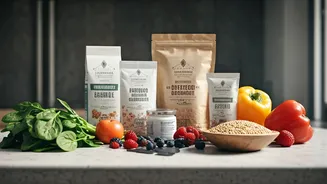
So why is this quiet, unassuming dish suddenly gaining traction in a food culture obsessed with the next big thing? Because our priorities are shifting. The headline-grabbing chaos of street food is still appealing, but a growing number of us are seeking something else: wellness, simplicity, and genuine comfort. Khichdi delivers on all fronts. It’s a complete protein, gluten-free, and famously easy to digest, making it a darling of the wellness community. In an age of gut health and mindful eating, a dish that’s literally prescribed for recovery is a natural fit. It’s the antithesis of the food coma; it’s food that heals. This isn't just a flash in the pan; it's a reflection of a broader cultural desire to slow down and nourish ourselves from the inside out.
More Than Just ‘Sick-Day’ Food
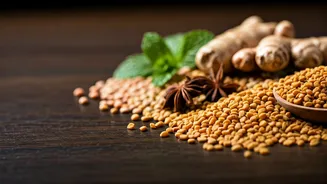
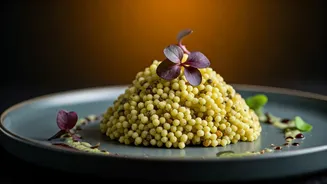
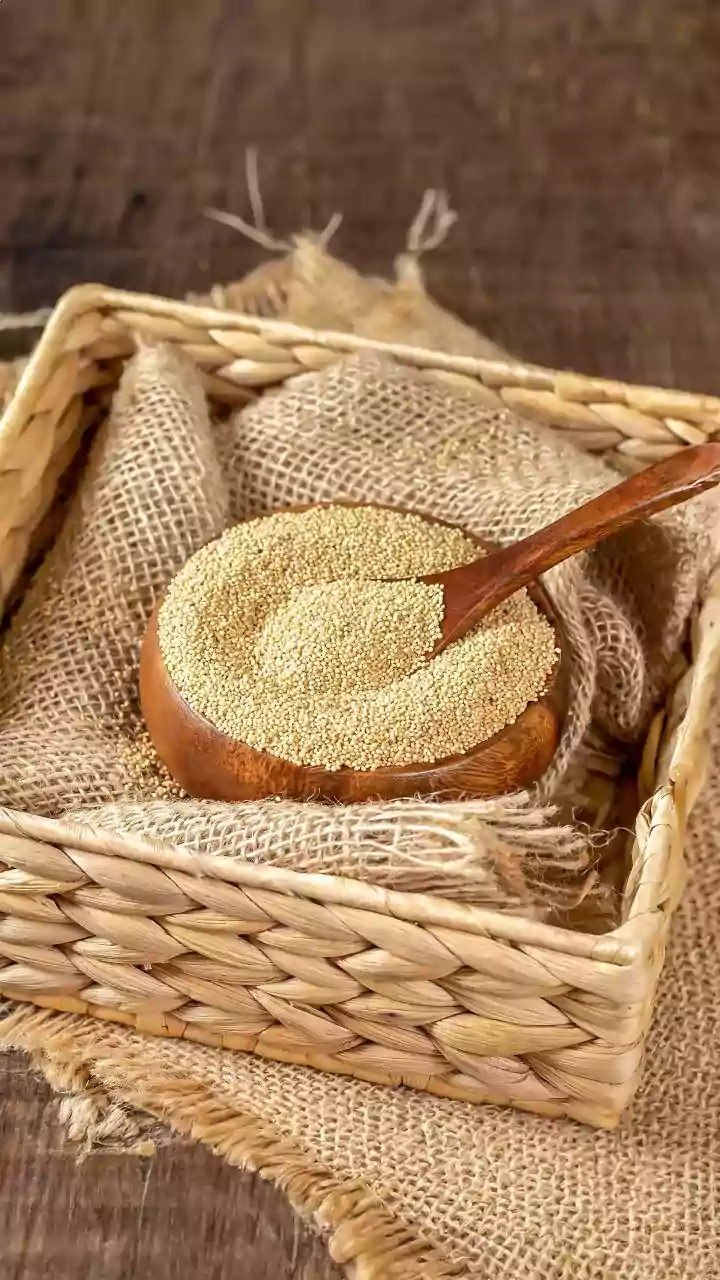
The perception of khichdi as bland or boring is a fundamental misunderstanding. While its simplest form is beautifully minimalist, khichdi is also a culinary chameleon. Across India, there are dozens of regional variations. Some are savory and rich, studded with vegetables and whole spices. Others are sweet, served during festivals. The magic often lies in the ‘tarka’ (or ‘chaunk’), a final flourish of spices sizzled in hot ghee or oil and poured over the top, instantly elevating the dish with aromas of cumin, mustard seeds, and asafoetida. Modern chefs in both India and the U.S. are reclaiming khichdi, treating its simple base as a canvas for creativity—adding quinoa or millet instead of rice, topping it with fried onions, toasted nuts, or a perfectly poached egg. They’re proving that comforting doesn’t have to mean boring.