




Meet Aamras: The Soul of the Mango
Let’s get straight to it: the dish is called aamras. The name literally translates from Hindi to “mango essence” (aam meaning mango, ras meaning essence or juice), and that’s the perfect description. At its core, aamras is the pure, unadulterated pulp
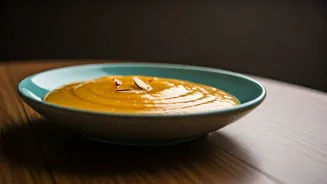
of ripe mangoes, blended until silky smooth. Unlike a smoothie or a shake, it’s not diluted with ice, milk, or excessive water. This is the mango, the whole mango, and nothing but the mango, concentrated into its most glorious form. Traditionally made with hyper-flavorful Indian varieties like Alphonso or Kesar, it’s a vibrant, sun-gold puree that’s so thick and luscious you eat it with a spoon, not a straw. It’s often lightly sweetened and can be delicately flavored with hints of ground cardamom, a pinch of saffron, or a touch of dried ginger, which adds a subtle warmth that elevates the fruit’s natural sweetness without overpowering it.
Why It’s Not Just a Thicker Lassi
This is the most important distinction. A mango lassi is a drink, a wonderful one, built on a foundation of yogurt. The yogurt provides a cooling, tangy counterpoint to the sweet mango, creating a balanced, refreshing beverage. Aamras, however, is a dish in its own right. It’s all about the fruit. By removing yogurt from the equation, you get a direct, uninhibited blast of pure mango flavor that is far more potent and profound. The texture is also completely different. Where a lassi is liquid and drinkable, aamras is a silky, spoonable pulp, closer to a fruit pudding or a very thick nectar. Think of it this way: a lassi is a refreshing pop song you can’t help but love. Aamras is the acoustic, unplugged version of that song, where you can hear every nuance of the artist’s voice—it’s more intimate, more intense, and arguably more authentic.
The Traditional Way: Scoop, Don’t Sip
Here’s where the “quirky” factor really shines for the uninitiated. In Western India, particularly in the states of Gujarat and Maharashtra where it’s a seasonal staple, aamras is rarely eaten on its own as a dessert. Instead, it’s a star component of a main meal. It’s most famously served alongside puri—small, round, unleavened bread discs that puff up into hollow spheres when deep-fried. The experience is a textural and flavorful revelation. You tear off a piece of the hot, slightly savory puri and use it to scoop up the cool, sweet aamras. The combination of hot and cold, savory and sweet, crispy-chewy bread and silky-smooth fruit pulp is nothing short of divine. It transforms the mango from a simple fruit into a complete culinary event, a centerpiece that the rest of the meal revolves around.
Bringing Aamras Home: A Simple Guide
You don’t need a special trip to India to experience this. Making aamras at home is incredibly simple, provided you follow one crucial rule: use the best, ripest mangoes you can find. Forget the hard, stringy ones. You need fragrant, soft, and sweet mangoes—Ataulfo (honey) mangoes are a great, widely available option in the U.S. Simply peel and chop 3-4 ripe mangoes, discarding the pit. Place the fruit in a blender and puree until completely smooth. If your mangoes are perfectly sweet, you may not need anything else. If they need a little help, add a teaspoon of sugar, honey, or jaggery. For that traditional touch, add a pinch of ground cardamom or a few strands of saffron. Blend again briefly. Chill it in the refrigerator for at least 30 minutes. That’s it. Serve it in a bowl to be eaten with a spoon, or go the extra mile and serve it with warm flatbread or store-bought puri for the full experience.