


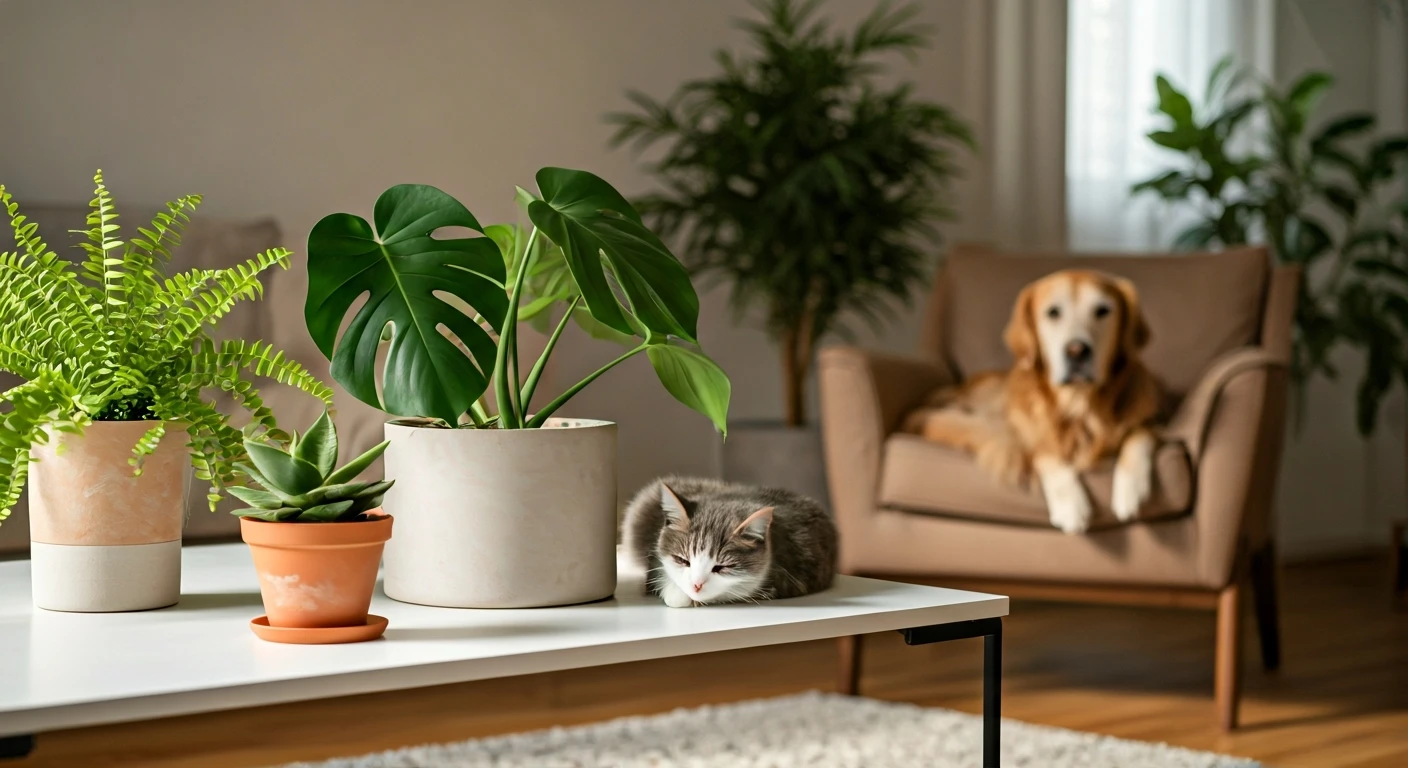


What Is Biophilic Design, Anyway?
Biophilic design is more than just scattering a few potted plants around your living room. It’s a philosophy centered on connecting humans with the natural world within our built environments. The goal is to create spaces that improve our well-being by
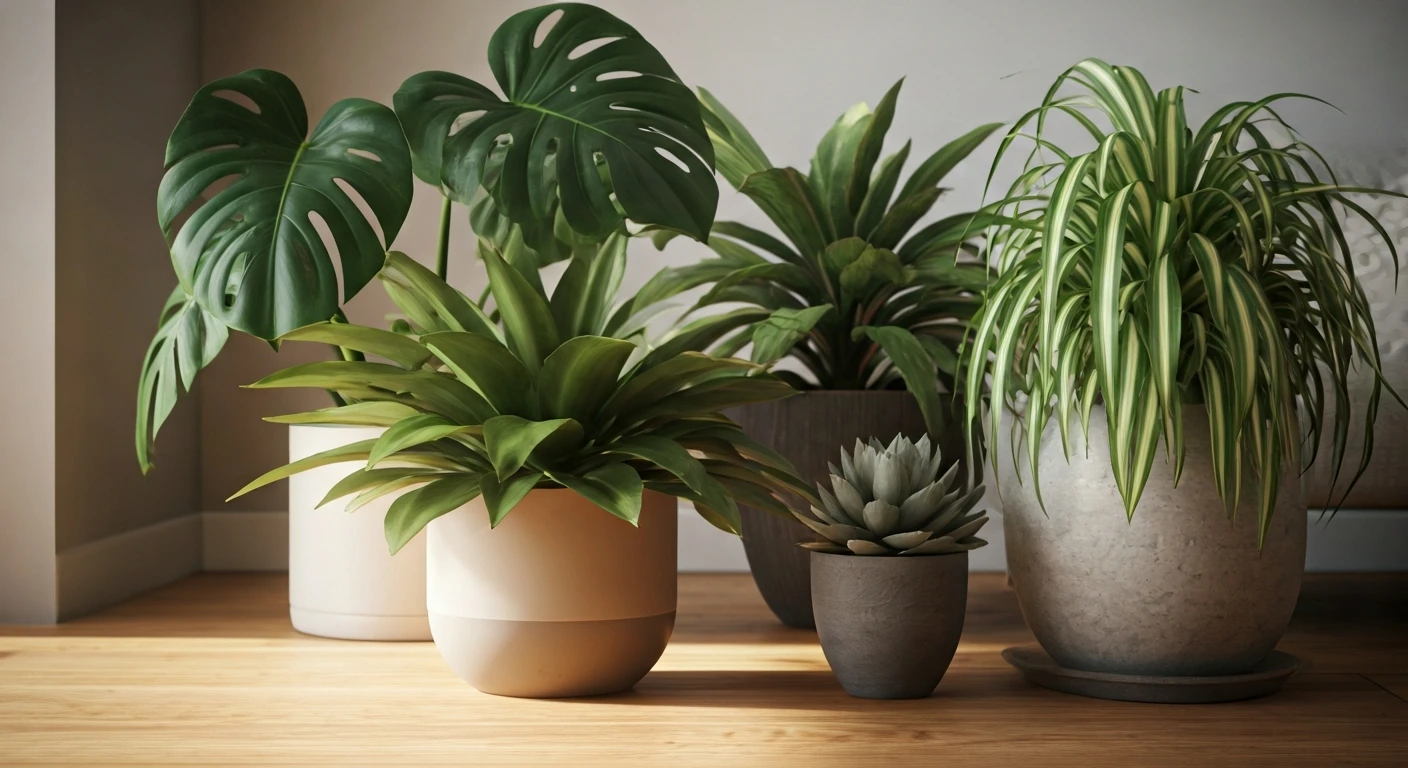
mimicking the patterns, textures, and elements of nature. Think large, leafy plants that create a canopy effect, natural materials like wood and stone, ample natural light, and even water features. It taps into our innate need for nature, which studies suggest can reduce stress and increase creativity. The problem? Nature isn’t always designed with the curious cat or chew-happy puppy in mind. Many of the most popular and visually striking houseplants used to achieve this look are unfortunately toxic to our animal companions.
The Hidden Dangers Lurking in the Leaves
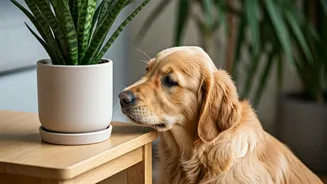
For a pet, a new plant is an object of intense curiosity—something to be sniffed, batted at, and often, tasted. According to the ASPCA, hundreds of common houseplants contain compounds that can be harmful if ingested. The effects range from mild indigestion to severe and even fatal reactions. For example, the incredibly popular Snake Plant (Sansevieria trifasciata) and Pothos (Epipremnum aureum), both lauded for being nearly indestructible, can cause oral irritation, vomiting, and difficulty swallowing in cats and dogs. The elegant Peace Lily (Spathiphyllum) contains calcium oxalate crystals that lead to intense burning of the mouth and throat. And the Sago Palm (Cycas revoluta), a dramatic statement plant, is severely toxic, with ingestion potentially leading to liver failure. This is why a 'wait and see' approach is so dangerous; by the time you notice symptoms, it could be too late. The solution isn't to abandon your dream of a green oasis, but to build it with intention and safety from the ground up.
Spider Plant: The Arching Classic
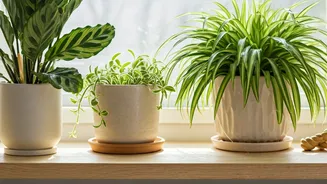
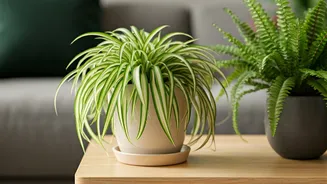
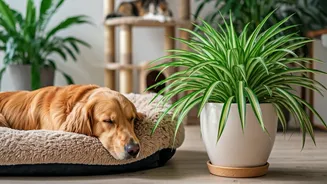
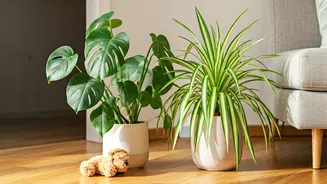
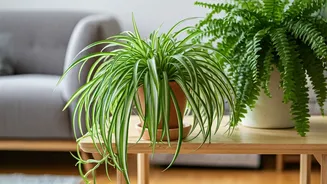
The Spider Plant (Chlorophytum comosum) is a champion of pet-safe decor. Its long, arching leaves and the 'spiderettes' that dangle from the mother plant create a dynamic, waterfall-like effect perfect for hanging baskets or placing on high shelves. This arrangement not only adds vertical interest—a key tenet of biophilic design—but also keeps the plant out of the immediate path of a rambunctious pet. They are completely non-toxic to both cats and dogs and are renowned for their air-purifying qualities. As a bonus, they are incredibly easy to care for, thriving in a variety of light conditions and forgiving the occasional missed watering.
Calathea Varieties: The Painted Leaves
If you're looking for pattern and color, the Calathea family is your answer. Often called Prayer Plants, varieties like the Rattlesnake Plant (Calathea lancifolia) or the Peacock Plant (Calathea makoyana) boast stunningly intricate leaf patterns in shades of green, purple, and cream. They bring an artistic, painterly quality to your indoor jungle. Fully non-toxic, they allow you to play with texture and color without worry. These plants do require a bit more attention—they prefer high humidity and consistently moist soil—but their visual payoff is immense, providing a touch of the exotic that is completely safe for all members of your household.
Boston Fern: The Lush Standard
Nothing says 'lush' quite like a Boston Fern (Nephrolepis exaltata). With its feathery, drooping fronds, it’s a go-to for creating a dense, forest-floor feel. A large Boston Fern can serve as a soft, green focal point in a room, filling a corner with texture and life. They are entirely safe for pets and excel at adding humidity to the air, which benefits both you and your other plants. Place one in a stand or a hanging planter to let its fronds cascade freely, contributing to that sense of immersive nature that biophilic design aims to achieve.
Parlor Palm: The Touch of the Tropics
For a taste of the tropics that won't harm your furry friends, look no further than the Parlor Palm (Chamaedorea elegans). This slow-growing, compact palm evokes the feeling of a miniature tree, making it a perfect floor plant. Its graceful, arching fronds add height and structure to your plant collection. Unlike the toxic Sago Palm, the Parlor Palm is completely pet-friendly. It’s also relatively low-maintenance and tolerant of lower light conditions, making it a versatile choice for apartments and homes that don’t get direct sun all day.
Designing a Pet-Conscious Green Space
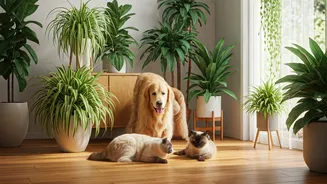
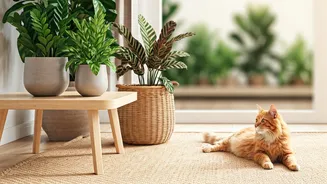
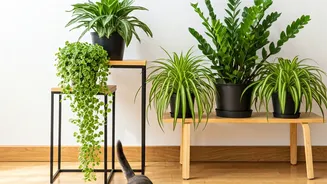
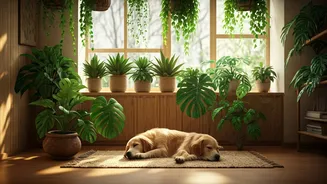
Once you have your pet-safe plants, think strategically about placement. Even non-toxic plants can cause mild stomach upset if eaten in large quantities. Use vertical space to your advantage: hanging planters, wall-mounted shelves, and tall plant stands keep delicate leaves away from curious mouths. Cluster plants of different heights and textures together to create a 'green zone' that feels intentional and impactful. Consider heavier ceramic or concrete pots that are less likely to be knocked over by a playful dog's tail. By curating a collection of safe plants and arranging them thoughtfully, you create a space that is beautiful, restorative, and, most importantly, a safe haven for everyone who lives there.