





The Great Vacation Vibe Shift
Remember the classic group trip? It was a logistical nightmare of competing interests, a frantic sprint through a checklist of sights and nightlife, often ending with everyone needing a vacation from their vacation. But across the country, a different
kind of trip is taking hold. It’s quieter, slower, and built around a surprisingly simple formula: a little bit of adventure, a lot of quality downtime, and settings that encourage genuine connection. Think less Las Vegas, more Whitefish, Montana. The goal is no longer to cram in as much as possible, but to curate a balanced experience where the bonds of friendship are the main event, not an afterthought. This isn't about being boring; it's about being intentional. It’s a collective exhale from the pressures of performative fun, opting instead for something more restorative and real.
Adventure, But Make It Accessible
The “rafting” in the headline is key. It represents the rise of “soft adventure”—activities that provide a dose of adrenaline without requiring specialized skills, peak physical fitness, or a waiver that reads like a horror novel. Unlike, say, a multi-day backcountry trek or a competitive marathon, rafting is a team sport for amateurs. You’re all literally in the same boat, navigating something new together. It fosters collaboration and creates a powerful, shared memory. It’s a challenge that can be overcome in an afternoon, leaving plenty of time and energy for the rest of the trip. The same logic applies to other popular group activities like scenic hikes, kayaking on a calm lake, or taking a group pottery class. These adventures are communal and accessible, offering a hit of dopamine without the burnout. They provide a story to tell back at the rental cabin, a moment of shared accomplishment that strengthens the group.
The Power of Purposeful Downtime
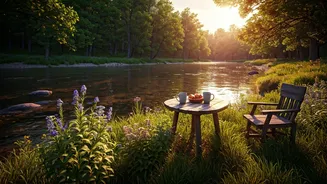
This is where the “cafés and river calm” come in. In the old model of group travel, downtime was an accident—a hangover-induced pause or a logistical delay. In the new model, it’s a non-negotiable part of the itinerary. These trips intentionally carve out space for a slow morning at a local coffee shop, an afternoon spent reading by a river, or a long dinner with no fixed end time. This isn’t laziness; it’s a strategic move to de-program from the hustle of daily life. In a world of back-to-back Zoom calls and constant digital pings, the ultimate luxury is unstructured time. These quiet moments are where the real bonding happens—where inside jokes are born, deep conversations unfold, and friendships are reaffirmed. By scheduling calm, these groups are reclaiming the very thing that hyper-connectivity has eroded: the simple, unhurried pleasure of one another’s company.
Why This, and Why Now?
This shift isn't happening in a vacuum. It’s a direct response to a perfect storm of social and economic factors. The burnout is real. After years of relentless work culture, many millennials and Gen Zers are actively rejecting “hustle culture” even in their leisure time. They’re seeking vacations that are genuinely restorative, not just another form of work. The pandemic also played a massive role, recalibrating our priorities. It reminded us of the importance of genuine human connection and sparked a boom in domestic, outdoor-focused travel as people sought open spaces and simpler pleasures. Furthermore, as friend groups get older, the logistics and finances of elaborate, party-centric trips become less tenable and, frankly, less appealing. A weekend of rafting and relaxing in a scenic town is often more affordable, less stressful, and ultimately more rewarding than a trans-Atlantic flight or a weekend of expensive clubbing.