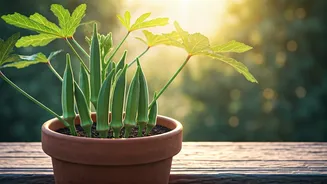

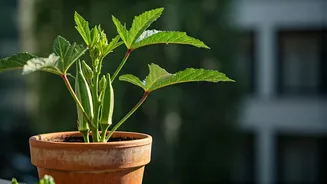
What 'Pre-Monsoon' Means for US Gardens
While 'monsoon' might bring to mind the dramatic rainy seasons of Southeast Asia, parts of the U.S., particularly the Southwest, have their own summer monsoon pattern characterized by a shift to hot, humid weather with frequent thunderstorms. For gardeners
in the South and other hot climates, the 'pre-monsoon' concept translates to that late-spring window just before the season's most oppressive heat and unpredictable downpours set in. Think of it as the calm before the storm—a strategic planting period after the last frost but before the daily triple-digit temperatures and intense weather events become the norm. This is the golden window to get sensitive young plants established.
The Early Bird Gets the Okra
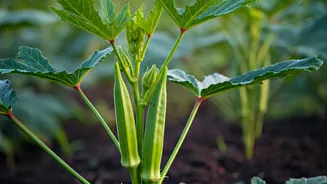
The primary benefit of this early planting strategy is root development. By sowing seeds when the soil is warm but the air temperature isn't yet scorching, you allow the okra plant to establish a deep and robust root system. A strong root network is like an insurance policy for the plant. When the brutal heat of July and August arrives, a well-rooted plant can draw water and nutrients from deeper in the soil, making it far more resilient to drought stress. Plants that are put in the ground later often struggle to develop their roots while also trying to survive extreme heat, resulting in stunted growth and a less productive harvest. An early start builds a stronger, tougher, and more fruitful plant.
Timing Is Everything: When to Plant
Forget the calendar and focus on the soil. Okra seeds are notoriously stubborn about germinating in cold ground. The magic number is a consistent soil temperature of 65°F or warmer. You can use a simple soil thermometer to check, or you can use a classic gardener's trick: if it's warm enough to comfortably sit on the bare ground, it's likely warm enough for okra. This is typically two to three weeks after your region's average last frost date. Planting any earlier risks the seeds rotting in cool, damp soil. Planting too much later forces the young seedling to battle the summer inferno from day one. Hitting that sweet spot is the goal, giving your okra a gentle start before the real work begins.
A Step-by-Step Planting Guide
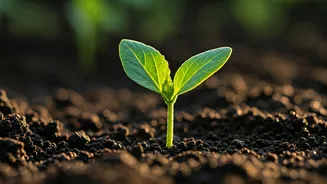
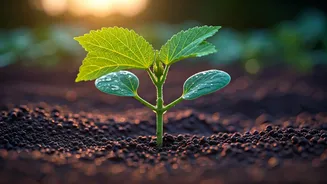
Ready to give your okra a head start? First, consider soaking the hard seeds in warm water overnight to speed up germination. Next, choose your location wisely—okra demands full sun, meaning at least six to eight hours of direct sunlight per day. Prepare the soil by working in a generous amount of compost to ensure good drainage and fertility. Plant the seeds about one inch deep and 12 to 18 inches apart in rows. After sowing, water the area thoroughly but gently to settle the soil without dislodging the seeds. Keep the soil consistently moist, but not waterlogged, until the seedlings emerge, which can take anywhere from five to 14 days depending on the warmth of the soil.
Care for Your Early-Planted Crop
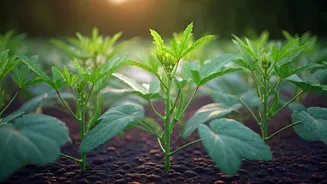
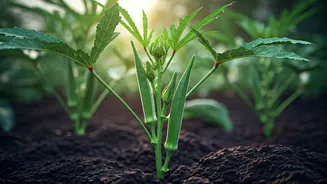
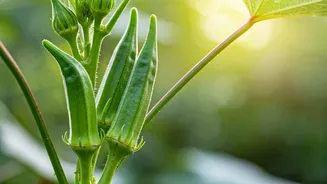
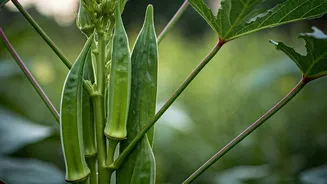
Once your seedlings are a few inches tall, it's time to thin them. Choose the strongest-looking seedling in each spot and snip the others at the soil line to avoid disturbing the roots of the one you're keeping. This ensures each plant has enough space, light, and nutrients to thrive. After thinning, apply a two-to-three-inch layer of mulch (like straw or shredded leaves) around the plants. Mulch is a game-changer: it helps retain soil moisture, suppresses weeds that compete for resources, and keeps the soil temperature more stable. As summer progresses, your well-established okra will need about an inch of water per week, either from rain or irrigation, especially once it starts producing pods.