
The Soul of a Home-Cooked Meal
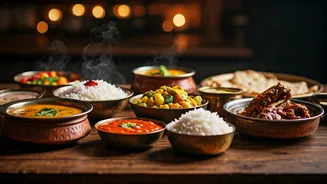
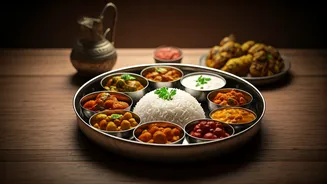
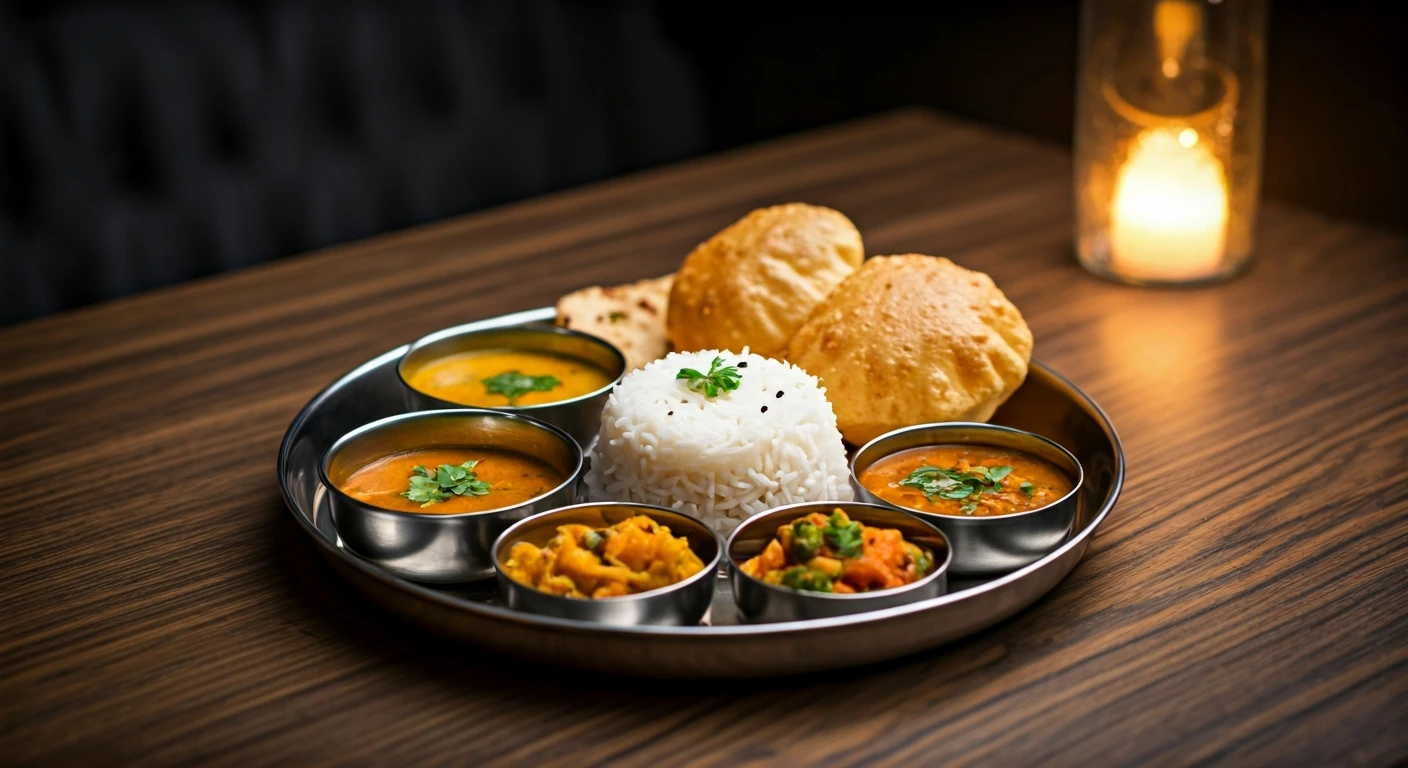
First, let’s get the terminology right. 'Ghar ka khana' literally translates from Hindi to 'food of the house.' But its meaning is far deeper than its translation. It’s the dal simmering with turmeric and cumin, the fluffy basmati rice, the simple vegetable
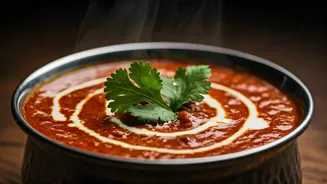
stir-fry (sabzi), and the fresh, warm rotis. It’s the food of daily life—nutritious, balanced, and made with an efficiency born of routine. Crucially, it’s not what most Americans have come to know as 'Indian food.' For decades, the Indian restaurant scene in the U.S. was dominated by a specific, celebratory cuisine: rich, creamy curries like butter chicken, chicken tikka masala, and decadent naan breads. This was 'special occasion' food, the kind you’d eat at a wedding or a restaurant, not the everyday meals fueling families from Mumbai to Delhi.
From Restaurant Food to Real Food
The focus on rich, North Indian dishes made sense from a business perspective. Early immigrant restaurateurs needed to create a menu that was approachable, impressive, and distinct from what you could cook at home. The result was a fairly standardized offering that, while delicious, presented a narrow slice of a subcontinent’s vast culinary landscape. It created a powerful perception of Indian food as heavy, indulgent, and reserved for a weekend treat. Meanwhile, the actual food being cooked in South Asian-American homes—lighter, more varied, and deeply regional—remained behind closed doors. It was the comforting secret enjoyed by the diaspora, a taste of home that was rarely found on a restaurant menu.
The New Wave of Authenticity
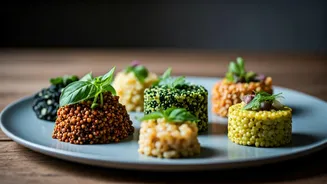
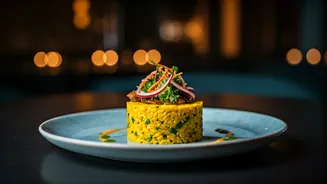
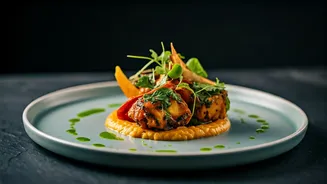
That secret is finally out. A new generation of chefs, entrepreneurs, and diners is driving a powerful shift. In cities like New York, San Francisco, and Washington, D.C., acclaimed restaurants are building their entire concepts around the very food that was once considered 'too simple' for a paying audience. They are celebrating regional specialties, championing heirloom grains, and proudly serving the kind of rustic, unadorned dishes that were previously only available via a friend's mom's kitchen. This isn't just about a change in menu; it’s a premium elevation. These establishments are earning rave reviews, Michelin stars, and James Beard awards. At the same time, sophisticated delivery services and direct-to-consumer brands are packaging homestyle meals with slick branding and premium price points, selling not just food but the convenience and authenticity of a perfectly prepared home-cooked meal without the labor.
More Than Just Nostalgia
So why is this happening now? It’s a convergence of several cultural currents. First, the children and grandchildren of the first wave of South Asian immigrants are now adults with cultural influence and disposable income. They grew up eating ghar ka khana, and they crave it not just for nostalgia, but as a connection to their heritage. Second, the broader American wellness movement has primed diners to appreciate the inherent health benefits of this style of cooking—it’s often plant-forward, lower in fat and cream, and relies on whole spices. Third, today's diners are more adventurous and sophisticated than ever. They seek 'authenticity' and are eager to explore the regional nuances of global cuisines beyond the familiar greatest hits. The pandemic also played a role, accelerating a desire for comfort food and high-quality meal delivery, creating a perfect market for premium, home-style fare.