







What is Mithuna Sankranti?
At its core, Mithuna Sankranti is an astronomical event. It marks the moment the Sun moves from the zodiac of Taurus (Vrishabha) into Gemini (Mithuna), typically occurring around mid-June. In the vast and varied tapestry of Hindu calendrical traditions,
which include both lunar and solar systems, these solar transits, or ‘Sankrantis,’ are significant markers of seasonal change. While Makar Sankranti in January, marking the Sun’s entry into Capricorn, is famous across India, Mithuna Sankranti holds special importance in the country’s eastern regions. It signals the official start of the monsoon season in many areas, a time of crucial transition from the blistering heat of summer to the life-giving rains that will nourish the land and prepare it for new crops.
Raja Parba: A Festival of Earth and Womanhood
Nowhere is this celebration more vibrant than in the state of Odisha, where Mithuna Sankranti kicks off a three-day festival known as Raja Parba (pronounced ‘raw-jaw par-baw’). This unique festival draws a beautiful parallel between the fertility of the earth and a woman's menstrual cycle. The belief is that during these three days, Bhudevi, the Earth Goddess, is menstruating and needs rest. Consequently, all agricultural activities like plowing, sowing, and digging cease. It’s a profound ecological and feminist statement embedded in ancient tradition. Women and unmarried girls are given the place of honor, freed from household chores to enjoy themselves. They dress in new clothes, apply alta (a red dye) to their feet, and spend their days playing on ornate swings (doli) hanging from mango trees, singing folk songs, and sharing special foods.
The Star of the Show: Poda Pitha
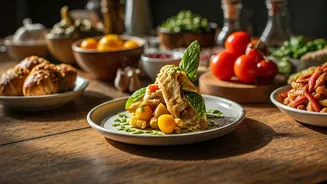
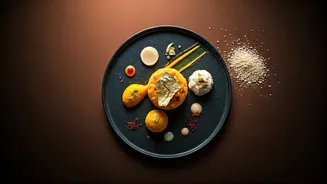
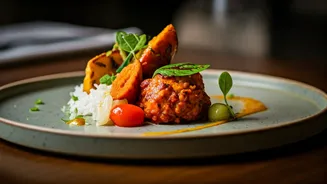
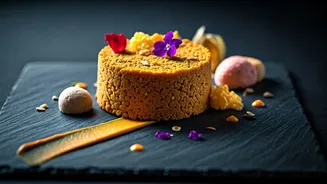
If there's one dish that defines Raja Parba, it's Poda Pitha. This isn’t your average cake. The name literally means “burnt cake,” which hints at its rustic, traditional preparation. A batter made from fermented rice, black gram, grated coconut, jaggery (or sugar), and fragrant spices like cardamom and ginger is wrapped in banana or sal leaves. Historically, this parcel was buried in the embers of an earthen hearth and slow-cooked overnight. The result is a dense, moist cake with a slightly sweet, smoky flavor and a beautifully caramelized, almost-burnt crust that is considered the delicacy. The inside is soft and savory-sweet, packed with the texture of coconut. It's the ultimate comfort food, embodying the warmth and love of the festival.
Your Online Culinary Experiments
Here's where the “online experiments” come in. You don’t need a traditional hearth to experience these flavors. A quick search on YouTube or food blogs for “Poda Pitha recipe” will yield dozens of tutorials adapted for a modern kitchen, using a pressure cooker or a conventional oven. This is your chance to experiment. Another culinary delight to try is Chenna Poda, Odisha's other famous “burnt” dish. It’s a baked dessert made from fresh, soft paneer (chenna), sugar, and nuts, with a caramelized crust that tastes like a divine cross between cheesecake and crème brûlée. For something a bit simpler, look for recipes for Manda Pitha, which are steamed rice flour dumplings filled with a sweet mixture of coconut and jaggery, similar to a modak. These recipes are your digital invitation to the festival.
Bringing the Festival Home
Celebrating Mithuna Sankranti doesn't require a plane ticket. It’s about an attitude of curiosity and participation. By trying your hand at Poda Pitha, you're not just baking a cake; you’re connecting with a tradition that honors the earth, celebrates womanhood, and finds joy in the turning of the seasons. You're participating in a ritual that has been passed down for centuries, now accessible through a screen and a sack of rice flour. So this June, as the sun makes its celestial shift, consider firing up your oven instead of your grill. Put on some music, find a recipe that speaks to you, and join the celebration. It’s a delicious way to learn about the world and discover that some of the most profound cultural traditions are best understood one bite at a time.