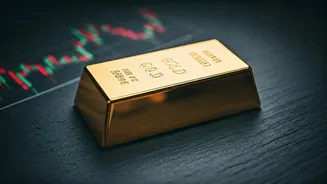









So, What Is a Gold ETF?
Think of a gold ETF (Exchange-Traded Fund) as a massive, secure vault full of gold bars. You can't just walk in and take a piece, but you can buy a 'share' of the vault's contents. Each share represents a tiny fraction of the total gold held by the fund.
These shares trade on major stock exchanges, like the New York Stock Exchange, right alongside companies like Apple and Ford. When you buy a share of a popular gold ETF, like SPDR Gold Shares (GLD) or iShares Gold Trust (IAU), you are buying a claim on the physical gold held by that fund. The fund's managers are responsible for buying, storing, and insuring the actual bullion, taking all the logistical hassle off your plate.
The Magic Word: 'Liquidity'
In finance, 'liquidity' is a simple but powerful concept: it’s the ease with which you can buy or sell an asset without drastically affecting its price. Cash is the most liquid asset; you can spend it anywhere, instantly, at its face value. A house, on the other hand, is highly illiquid. Selling it can take months and involves high transaction costs. Before ETFs, physical gold was closer to the house on this spectrum. To sell a gold coin or bar, you’d need to find a reputable dealer, transport the gold securely, haggle over the price (which often includes a hefty 'spread,' or difference between the buying and selling price), and wait for the transaction to clear. It was slow, expensive, and inconvenient.
How ETFs Create Instant Access
This is where gold ETFs truly shine. Because they are listed on a public stock exchange, they inherit the exchange's incredible liquidity. Millions of shares of major gold ETFs trade hands every single day. For an investor, this means you can buy or sell your gold position with the click of a button during market hours, just like any other stock. The price is transparent and updated in real-time. You don't need to find a specialized dealer or worry about storage. You can enter or exit your position in seconds at a price very close to the spot price of gold. This 'exchange liquidity' effectively transformed gold from a cumbersome collectible into a modern, nimble financial instrument accessible to anyone with a brokerage account.
The Old Way vs. The New Way
To appreciate the change, consider the alternatives. Owning physical gold bullion requires paying for secure storage (like a safe deposit box or private vault) and insurance. Selling it means facing wide bid-ask spreads from dealers. Another option is buying stock in gold mining companies. While related, this isn't a pure play on gold; you’re also betting on the company's management, its operational efficiency, and its political risk in the countries where it operates. A mining company's stock can fall even when gold prices are rising. Gold ETFs strip away these complications. You get direct exposure to the price of gold itself, without the burdens of physical ownership or the added risks of corporate performance.
Are There Any Downsides?
Of course, there are trade-offs. Gold ETFs charge an annual 'expense ratio'—a small percentage of your investment that goes toward the fund's management and operational costs. While typically low (often under 0.40%), it’s a fee you wouldn’t pay if the gold was sitting in your own safe. More importantly for some investors, you don't physically possess the gold. You own shares in a trust that owns the gold. For those who value gold as a tangible crisis asset to hold in their own hands, this is a significant drawback. ETFs are a financial tool for exposure to gold's price, not a substitute for having a physical bar you can touch.