




The Myth of 'Indian Food'
Ask an American to describe Indian food, and you’ll likely get a list of greatest hits: creamy chicken tikka masala, buttery naan bread, and maybe a fried samosa. For decades, the dominant narrative of Indian cuisine in the United States was shaped by
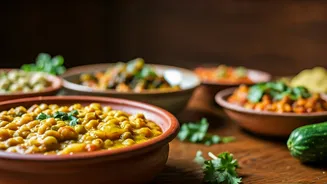
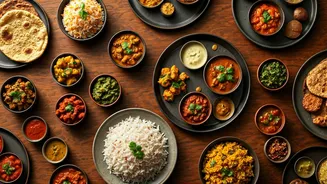
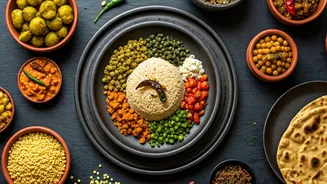
a specific slice of North Indian and Punjabi restaurant fare. Rich, heavy, and undeniably delicious, this style of cooking became the default, creating the impression of a monolithic cuisine best saved for special occasions. This perception, however, is a classic case of seeing the tip of the iceberg and thinking you know the whole glacier. India is a subcontinent with dozens of distinct regional cuisines, most of which bear little resemblance to the familiar buffet spread. The food that millions of people in India eat daily is often light, plant-forward, and built around fresh, seasonal ingredients. This is the food of home, not of heavy-handed restaurant indulgence. The popular version sold in the West was an adaptation, designed to feel luxurious and special, but in doing so, it obscured the cuisine’s true character: that of a deeply nourishing, everyday tradition.
The Ancient Wellness Blueprint
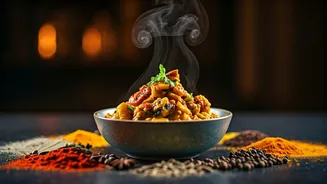
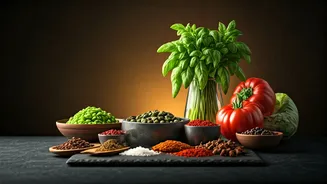
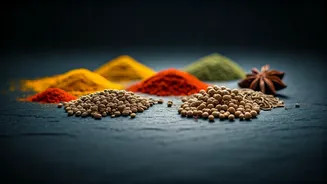
Long before “wellness” was a billion-dollar industry in the West, it was a foundational principle of daily life in India, codified in the ancient system of Ayurveda. More a philosophy of balance than a restrictive diet, Ayurvedic eating is built on the idea that food is medicine and that health comes from harmony—with the seasons, the environment, and one’s own body. At its core is the concept of balancing the six tastes: sweet, sour, salty, bitter, pungent, and astringent. A complete meal should ideally touch on all of them, ensuring nutritional completeness and deep satisfaction. Spices aren’t just for flavor; they are functional. Turmeric is a powerful anti-inflammatory, ginger aids digestion, cumin helps with absorption, and fenugreek stabilizes blood sugar. This isn’t about adding a “superfood” powder to a smoothie; it’s about an intricate, time-tested system where every ingredient has a purpose. The goal isn’t to restrict, but to nourish and energize, making you feel good long after the meal is over.
Reclaiming the Narrative
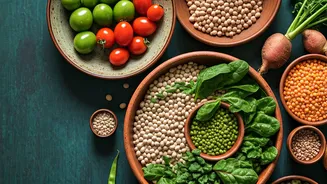
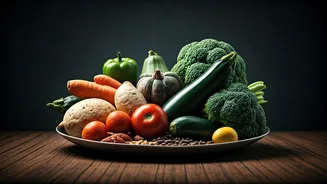
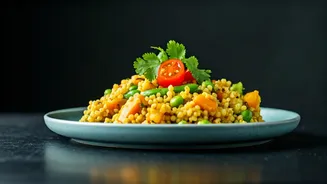
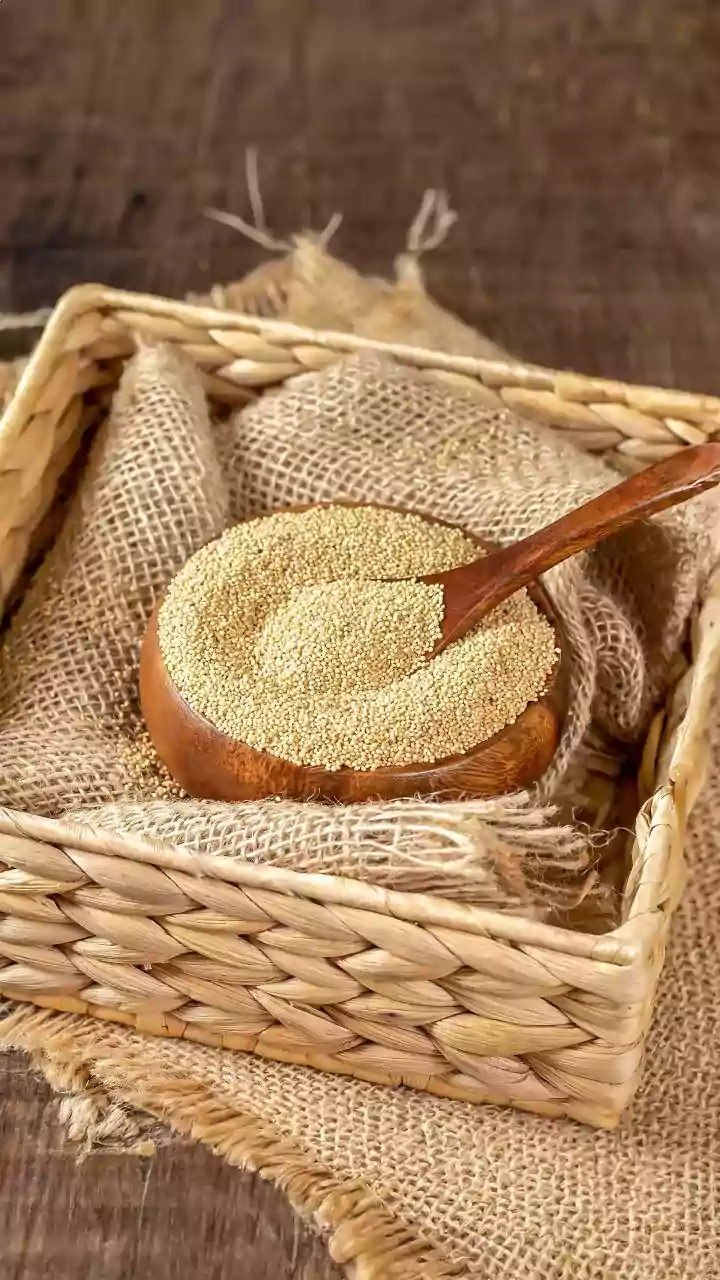
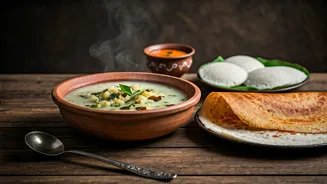
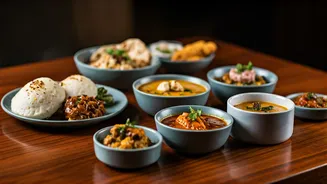
A new guard of Indian chefs across the U.S. is now leading a culinary renaissance, challenging the old stereotypes by simply telling the truth. They are looking past the British-influenced curry house model and instead drawing inspiration from their own family recipes, regional specialties, and ancestral cooking methods. These chefs aren’t “health-ifying” Indian food; they are presenting it in its original, inherently wholesome form. On their menus, you’re finding the light, crispy dosas and fermented idlis of South India, the complex seafood dishes of Bengal and Goa, the delicate vegetarian thalis of Gujarat, and the rustic, grain-based cooking of the Himalayas. They are celebrating lentils in all their forms, showcasing a vast world of vegetables beyond the potato, and using techniques like steaming and roasting instead of relying solely on a deep fryer or a vat of cream. They are, in essence, re-educating the American palate and making a powerful statement: this is the real Indian food, the kind that has sustained families for centuries.
From Medicine to Mainstream
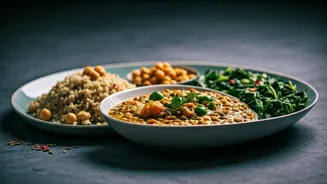
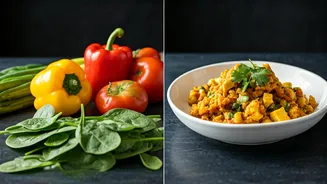
This movement couldn’t have come at a better time. As more Americans seek out plant-based meals, explore gut-friendly fermented foods, and become more conscious of how food affects their well-being, they are discovering that traditional Indian cuisine has been checking these boxes all along. Dishes like kitchari—a simple, comforting porridge of rice and lentils—are being hailed as a perfect detox food, something grandmothers in India have known for generations. The complex sourness of a South Indian tamarind broth, the probiotic benefits of homemade yogurt (dahi), and the sheer variety of vegetable-centric dishes (sabzis) offer a flavorful antidote to the often-bland world of “clean eating.” This isn’t about chasing a trend. It’s a happy convergence where a modern American craving for wellness is finally meeting an ancient Indian tradition of delicious, functional food. The result is a vibrant, exciting culinary landscape where feeling good and eating well are one and the same.