


Know Before You Grow
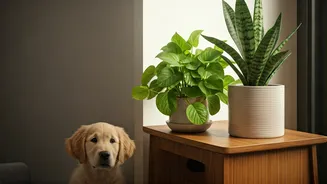
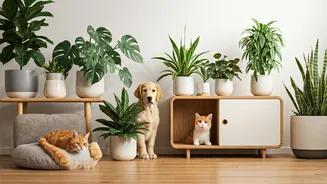
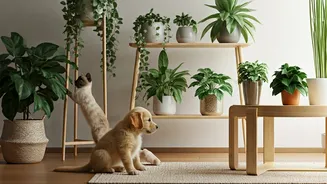
The fear is real. A single bite of the wrong plant, like a lily for a cat, can lead to a devastating medical emergency. But giving up on your indoor jungle dreams isn't the answer. The key is knowledge. Many of the most popular and stylish houseplants
are perfectly safe for your four-legged companions. According to the ASPCA Animal Poison Control Center, a huge number of plants are non-toxic, meaning ingestion is unlikely to cause more than mild gastrointestinal upset, if anything. This list focuses on a few widely available, beautiful, and—most importantly—vet-approved favorites to get you started.
The Resilient Spider Plant
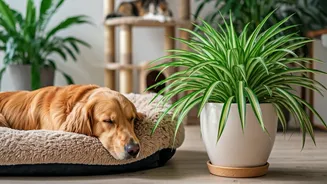
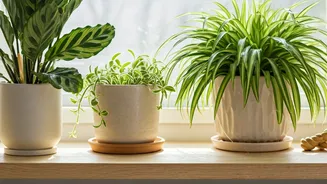
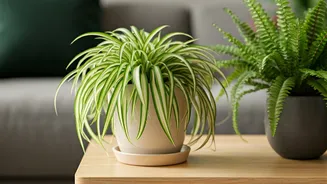
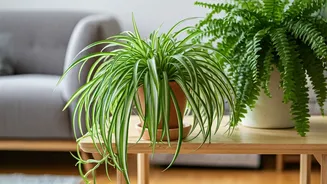
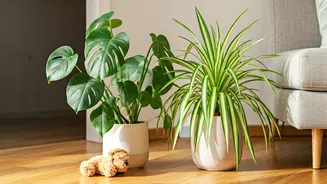
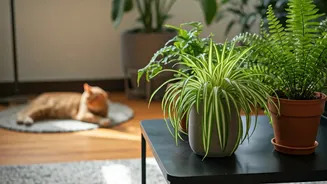
If you're looking for a plant that's practically indestructible and completely safe, the Spider Plant (Chlorophytum comosum) is your champion. Famous for its arching green-and-white striped leaves and the little “spiderettes” that dangle from the mother plant, it's a hanging basket classic. Cats are famously drawn to its dangly leaves, but you can rest easy knowing they are non-toxic. These plants are also incredible air purifiers and thrive on a bit of neglect. Just give them bright, indirect light and water them when the top inch of soil is dry.
The Lush Boston Fern
For a touch of feathery, vibrant green, look no further than the Boston Fern (Nephrolepis exaltata). These lush plants can turn any corner of a room into a verdant oasis. They love humidity, making them a perfect choice for a well-lit bathroom or kitchen. If you see your dog or cat curiously nibbling on a frond, there's no need for alarm, as they are completely non-toxic. To keep your fern happy, mist it regularly and keep the soil consistently moist but not waterlogged.
The Elegant Parlor Palm
Want a tropical vibe without the tropical-sized risk? The Parlor Palm (Chamaedorea elegans) is a superb choice. This slow-growing palm brings a dose of sophisticated greenery to your home and is notoriously easy to care for, tolerating lower light conditions better than many other palms. Its elegant fronds are completely safe for pets. Unlike its toxic cousin, the Sago Palm (which should be avoided at all costs), the Parlor Palm is a pet-parent-approved classic that adds height and drama to your indoor garden.
The Striking Prayer Plant
The Prayer Plant family (Calathea and Maranta) is a showstopper. Known for their stunning, intricately patterned leaves that fold up at night like hands in prayer, these plants are a living work of art. Varieties like the Rattlesnake Plant (Calathea lancifolia) or the Red Maranta (Maranta leuconeura) offer incredible color and texture. Best of all, their dramatic beauty comes with zero risk to your pets. They are entirely non-toxic. They prefer high humidity and consistently moist soil, so they're a bit more demanding but well worth the effort.
The Lucky Money Tree
Often found with a braided trunk, the Money Tree (Pachira aquatica) is a popular housewarming gift said to bring good fortune. For pet owners, the real luck is that it's non-toxic to cats and dogs. This hardy plant is a great floor accent, growing into a small tree-like form over time. It's relatively low-maintenance, requiring bright, indirect light and watering only when the top few inches of soil are dry. It's a stylish, symbolic, and safe addition to any pet-friendly home.
Red Flags: Common but Toxic
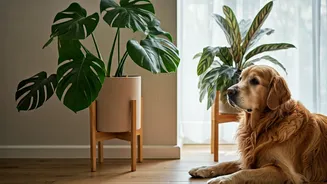
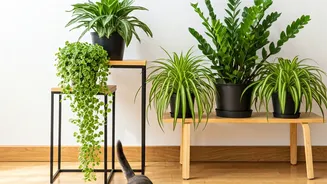
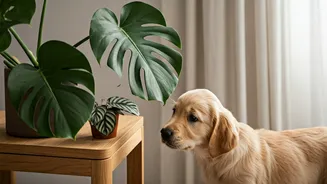
Just as important as knowing what's safe is knowing what to avoid. Many of the most common houseplants are unfortunately toxic. Lilies (all parts are lethally toxic to cats), Snake Plants, Pothos, ZZ Plants, and Monsteras all contain compounds that can cause everything from oral irritation and vomiting to severe kidney failure. If you already own these, make sure they are placed completely out of your pet's reach—or consider rehoming them for true peace of mind.