



The View from the Top of the World
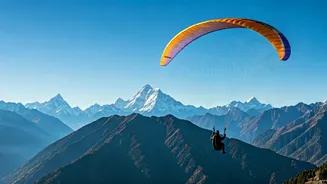
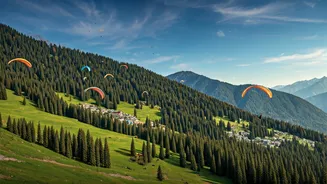
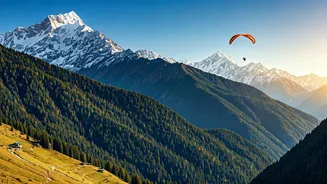
Paragliding isn't just an activity in Manali; it's a rite of passage. Here, in the heart of India's Himachal Pradesh state, you run towards the edge of a mountain and let the wind lift you into the sky. It's a tandem flight, meaning a certified pilot
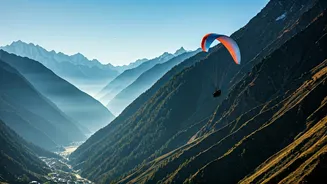
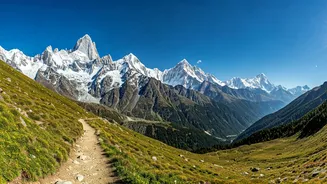
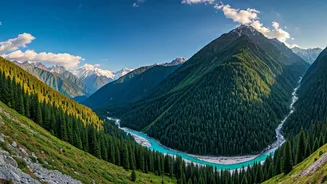
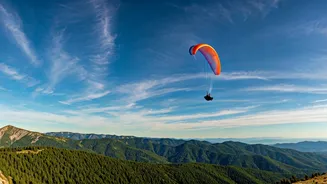
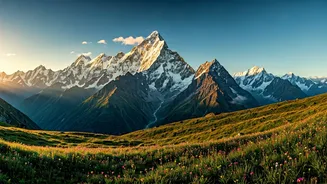
is strapped in behind you, handling all the technical work. Your job is simple: take it all in. You'll soar over the lush Kullu Valley, with the Beas River snaking below like a silver ribbon. Distant, formidable peaks that seemed untouchable from the ground are suddenly your companions at eye level. It’s a perspective shift that’s both humbling and profoundly exhilarating—a literal and figurative high that few other travel experiences can match.
Why Manali, and Why June?
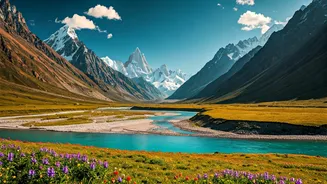
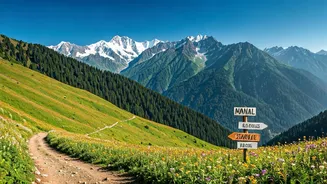
While you can paraglide in many beautiful places, Manali in June is a unique confluence of perfect conditions. This is the sweet spot of the pre-monsoon season. The long, harsh winter has fully receded, leaving the valleys a vibrant, almost neon green. The summer sun creates strong, reliable thermal currents—updrafts of warm air that pilots use to gain altitude and extend flight times, turning a quick descent into a graceful, soaring journey. Crucially, the infamous Indian monsoon, which typically arrives in July, is still holding off. This means you get the benefit of warm, clear days and spectacular visibility without the constant rain and low-hanging clouds that can ground flights for weeks on end. The town of Manali itself is buzzing with energy, a perfect basecamp atmosphere for adventurers from around the world.
Your Launchpad: Solang Valley and Dobhi
The two primary hubs for paragliding near Manali are Solang Valley and Dobhi. Solang Valley, about 30 minutes from Manali, is the classic choice. It offers two take-off points: a lower one for short, two-minute joyrides, and a higher one reached by cable car for longer, more scenic flights of 10-15 minutes. It's a bustling hub of adventure sports, so the energy is high. For those seeking a slightly more focused and often longer flight experience, Dobhi, on the opposite side of the valley, has become the premier destination. Known for having some of the best flying conditions and professional operators, a flight from Dobhi can last anywhere from 15 to 30 minutes, giving you ample time to soak in the epic scale of the landscape. Both spots offer incredible views, but your choice might come down to whether you want a quick taste or a full-course meal of aerial adventure.
A Word on Safety and Sanity
Let’s be honest: running off a mountain is an inherently wild idea. For American travelers, safety is paramount, and thankfully, the local administration has taken this seriously. After a period of unregulated activity, authorities have cracked down, implementing stricter rules for licensing, equipment checks, and pilot certification. When booking, don't just go for the cheapest roadside offer. Seek out reputable, registered operators recommended by your hotel or a trusted travel agency. Look for pilots who provide a thorough briefing, check the weather conditions diligently, and use modern, well-maintained equipment. A good operator will prioritize your safety over making a quick buck, and will gladly cancel or postpone if the wind or weather isn't right. Paying a little extra for a professional, certified company is the best investment you can make.
Planning Your Himalayan Flight
Getting airborne is surprisingly straightforward. A standard tandem flight in Solang or Dobhi typically costs between $30 and $50, often including transport from your hotel or a central point in Manali. There's no need for prior experience. Wear sturdy, closed-toe shoes (you'll need to run a bit for takeoff), comfortable pants, and a light jacket, as it can get chilly at altitude, even on a warm day. And don't forget your sunglasses. Most operators offer a GoPro video package for an extra fee—it’s a bit touristy, but worth it to capture the look on your face as you glide in front of 20,000-foot peaks. Book a day or two in advance, but be prepared to be flexible; all flights are weather-dependent.