



The End of 'Go Hard or Go Home'
The fitness landscape is experiencing a seismic shift. For the better part of two decades, high-intensity interval training (HIIT), extreme endurance events, and an all-or-nothing mentality dominated wellness culture. The underlying message was that if you
weren’t gasping for air and drenched in sweat, you weren’t really trying. But a growing movement is pushing back, not out of laziness, but out of a desire for longevity and sustainability. Enter 'beginner movement.' This isn’t about being new to exercise; it’s a philosophy centered on foundational, low-impact, and functional activities. Think gentle mobility routines, long walks, basic bodyweight squats, and mindful stretching. It’s the antithesis of the boot camp class that leaves you too sore to walk for three days. Instead, it’s about building a base of strength and flexibility that supports your daily life, reduces your risk of injury, and feels restorative rather than punishing.
What Counts as Foundational Fitness?
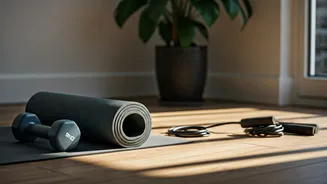
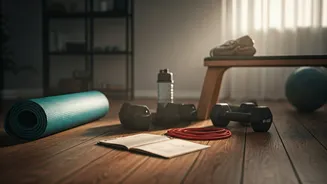
The beauty of beginner movement is its accessibility. It doesn’t require a pricey gym membership or specialized equipment. It’s about re-integrating movement into the fabric of your day. Experts often refer to these as 'movement snacks'—short, simple activities that break up long periods of sitting. This could be five minutes of cat-cow stretches in the morning to wake up your spine, taking the stairs instead of the elevator, or doing a few deep squats while waiting for your coffee to brew. Other examples include carrying your groceries instead of using a cart for the last 50 feet, balancing on one leg while brushing your teeth to improve stability, or going for a 20-minute walk after dinner to aid digestion. It also encompasses 'cozy cardio,' a social media trend celebrating slower-paced activities like walking on a treadmill while watching a movie. The goal isn't to burn a maximum number of calories in a minimum amount of time, but to keep your body moving consistently and comfortably.
The Science of Moving Smarter, Not Harder
This shift isn't just about feelings; it's backed by science. Much of the benefit comes from increasing our Non-Exercise Activity Thermogenesis (NEAT)—the energy we expend for everything we do that is not sleeping, eating, or sports-like exercise. Consistently moving throughout the day can have a more significant cumulative impact on metabolic health than one single, intense workout followed by 23 hours of inactivity. Furthermore, constantly pushing your body into a state of high stress with intense workouts can dysregulate the nervous system for some, leading to burnout, hormonal imbalances, and fatigue. Foundational movements, on the other hand, tend to be regulating. They improve joint health, increase blood flow, and build the kind of practical strength that prevents you from tweaking your back while picking up a laundry basket. Physical therapists have championed these principles for years, prescribing them for injury rehabilitation. The new trend is simply applying this wisdom proactively, before an injury occurs.
The New Status Symbol: Pain-Free Longevity
So, how did something so simple become a 'flex'? In a culture saturated with burnout, prioritizing sustainability has become the new status symbol. Posting a picture from a 10-day silent retreat has, for many, replaced the marathon finish-line photo. In the same way, being able to move through life pain-free at 50, 60, and beyond is now seen as a more sophisticated goal than having the biggest deadlift in the gym at 30. It's a quiet confidence. The flex isn’t the workout itself but its result: the effortless grace of picking something up off the floor, the ability to sit cross-legged comfortably, or the energy to play with your kids without wincing. It signals a forward-thinking approach to health—one that invests in future-proofing the body rather than punishing it for short-term aesthetic gains. It’s a declaration that you’re playing the long game, and that your health is a practice, not a performance.