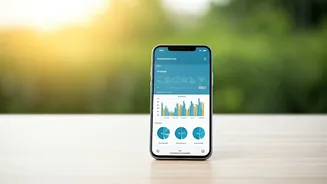









How AI Becomes Your Travel Accountant
When we hear “AI,” it’s easy to imagine some all-knowing computer making perfect decisions. In reality, the AI in these travel apps is more like a super-powered data analyst. It sifts through immense datasets—historical flight prices, hotel occupancy
rates, seasonal demand, and even local event schedules—to spot patterns that humans can't. It's not about magic; it's about math. This technology doesn't just show you the cheapest flight *right now*. It predicts whether that price is likely to drop or rise in the coming weeks, giving you the power to decide whether to book now or wait for a better deal. By turning billions of data points into a simple recommendation, AI is transforming travel planning from a stressful guessing game into a strategic, budget-friendly process.
The Price Predictors: Your Crystal Ball
The most common and powerful use of AI in travel budgeting is predictive pricing. Apps like Hopper, Kayak, and Google Flights have become masters of this craft. They don’t just show you a list of prices; they give you advice. A typical recommendation might be, “This flight to Miami is $250, but our data suggests it will drop to around $210 in the next two weeks. We recommend you wait.” Some apps will even let you 'watch' a flight and will automatically notify you when their algorithm determines it's the optimal time to buy. For budget-conscious travelers, this is a game-changer. It removes the anxiety of booking too early and missing a sale or waiting too long and getting hit with a price surge. It’s the closest thing we have to a crystal ball for travel costs.
The Smart Itinerary Builders
Beyond just flights and hotels, a new wave of AI planners is tackling the entire trip. Apps in this space, like those from Wanderlog or TripIt (which uses some AI for organization), help you construct a complete itinerary that respects your budget. You can input your total trip cost, your interests, and your preferred pace, and the AI will get to work. It might suggest swapping a pricey city-center hotel for a stylish boutique option in a well-connected neighborhood, or recommend visiting a popular museum on a free-admission day. These platforms can also optimize your route through a city, clustering activities to save on transportation time and costs. Instead of you spending hours on dozens of websites trying to piece together a puzzle, the AI serves as a virtual travel agent that assembles the most efficient and cost-effective plan.
The On-the-Go Budget Guardian
A budget is only useful if you stick to it, and AI is now helping with that, too. While not always in a standalone 'travel' app, financial apps that use AI to categorize expenses are invaluable on the road. When you link your credit card, they can automatically track your spending in real-time. That $15 you spent on gelato in Florence? It's instantly logged under 'Food.' The 50 euros for a train ticket? Filed under 'Transportation.' Some apps allow you to set daily spending limits for your trip and will send you a notification if you're approaching your cap. This instant feedback loop prevents the dreaded end-of-trip surprise when you finally check your bank account. It keeps you honest and helps you make smarter spending decisions throughout your journey.