
So, What Exactly Is Sattu?
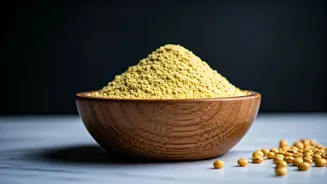
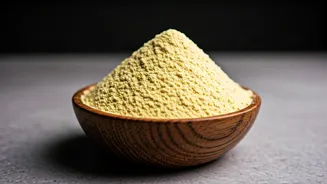
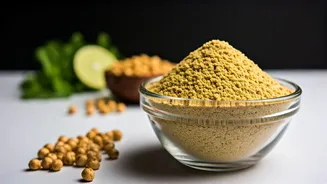
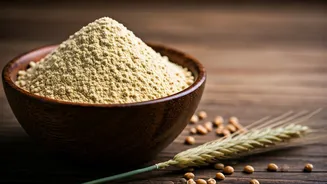
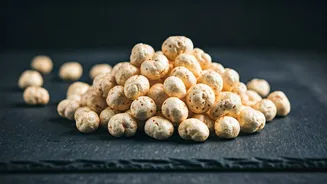
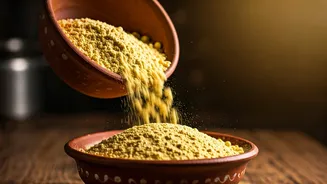
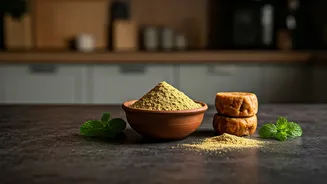
At its core, sattu is deceptively simple: it’s a flour made from roasted grams, typically Bengal gram (kala chana), which are related to chickpeas. The roasting part is key. Unlike raw chickpea flour (besan), which needs to be cooked, sattu is ready-to-eat.
The process gives it a uniquely nutty, earthy flavor and a fine, sandy texture. Think of it as the original instant meal. This simple preparation belies a powerful nutritional punch. It’s packed with plant-based protein, insoluble fiber that aids digestion, and essential minerals like iron and magnesium. Plus, it has a low glycemic index, meaning it provides sustained energy without the sugar crash associated with many modern energy drinks and snacks.
The Original Superfood Shake
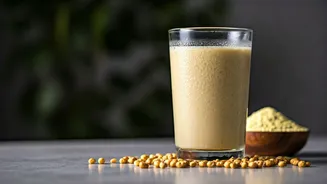
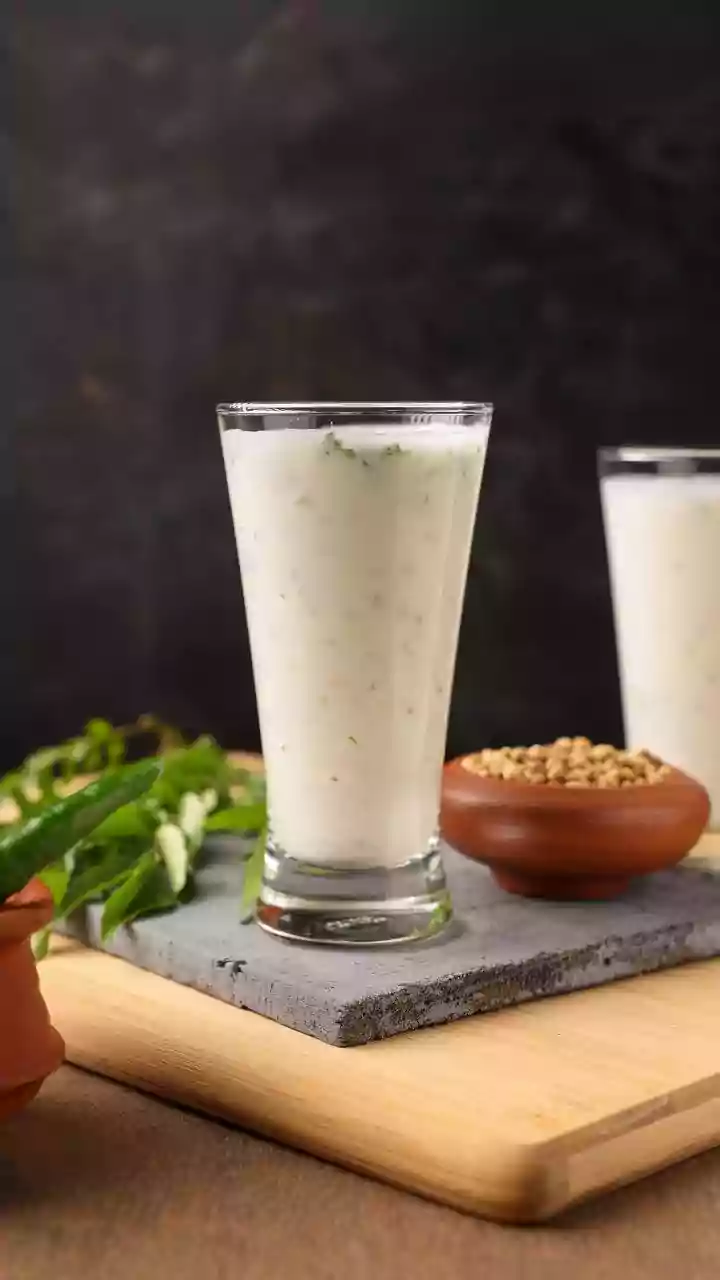
In Bihar, a region in eastern India known for its rich history and hearty cuisine, sattu is less a trend and more a tradition. For generations, it has been the go-to fuel for farmers, laborers, and travelers. Often called the 'poor man’s protein,' it offered an affordable, portable, and incredibly effective source of energy to power through long, hot days. The most common way to consume it is as a cooling drink called sattu sharbat. A few spoonfuls are whisked into cold water, seasoned with black salt, cumin, and a squeeze of lemon or lime. The result is a savory, refreshing beverage that hydrates, nourishes, and cools the body from the inside out—a natural, ancient answer to the electrolyte drinks we chug today.
From Bihari Staple to Wellness Trend
So how did this rustic staple find its way into the yoga studios and health-food blogs of urban India and, increasingly, the West? The answer lies in its perfectly aligned nutritional profile. As consumers search for clean, plant-based protein sources and gut-friendly fiber, sattu checks all the boxes. It’s gluten-free, vegan, and minimally processed. It’s being marketed as a post-workout recovery drink, a meal replacement, and a digestive aid. Influencers and chefs are rebranding it, mixing it into smoothies with almond milk and dates, or baking it into protein bars. This newfound 'coolness' is introducing sattu to a global audience, but it also risks stripping the food of its cultural and economic context, turning a story of sustenance into a simple list of health benefits.
More Than Just a Drink
While the sharbat is sattu’s most famous application, its versatility is central to its role in Bihari cuisine. It forms the heart of litti chokha, one of the region’s signature dishes. Litti are whole wheat dough balls stuffed with a savory sattu mixture—spiced with onion, garlic, ginger, and traditional pickles—which are then roasted over fire and dunked in ghee. It’s also used as a filling for parathas (a type of flatbread) or simply mixed with a little water, salt, and raw onion to form a quick, dough-like meal called sattu ghol. Each preparation tells a story of place, resourcefulness, and the deep-seated culinary wisdom of making a single ingredient work in countless delicious ways.
Appreciating the Real Story
The phrase 'Bihar knew first' isn't about gatekeeping a food; it's about giving credit where it's due. The rise of sattu is an opportunity to look beyond the 'superfood' label and appreciate the culture that created it. It’s a reminder that many of the health trends we 'discover' today are rooted in centuries of traditional knowledge, often born from necessity and perfected over generations. When we understand that sattu isn't just a protein supplement but a cornerstone of a community's diet, a symbol of resilience, and a taste of home for millions, the food becomes that much richer.