




From Personal Hobby to Public Good
For years, home gardening was seen as a wholesome, if somewhat solitary, hobby. It was about personal satisfaction, better-tasting food, and a bit of weekend therapy. But a quiet revolution has been taking place across America’s backyards, patios, and fire
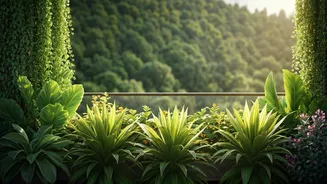
escapes. Spurred by a desire for connection to our food and nature, millions of Americans are transforming small patches of land into vibrant ecosystems. What’s changing isn't just the number of gardens, but our understanding of their collective power. Ecologists and conservation groups now recognize that these disparate plots of green don't exist in isolation. Instead, they function as a vast, interconnected network that provides critical support for the nation’s environmental health. Your humble veggie patch, in other words, has gone from a private project to a vital piece of public infrastructure.
Connecting the Green Dots
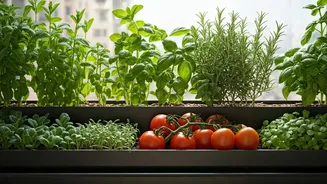
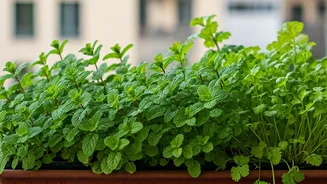
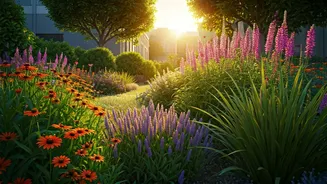
The core idea is the creation of 'pollinator pathways' or 'habitat corridors.' Think of it like a series of safe rest stops for wildlife on a cross-country road trip. Bees, butterflies, birds, and other essential critters can’t thrive if their habitats are fragmented islands separated by miles of concrete and manicured lawns. A monarch butterfly, for instance, needs milkweed to lay its eggs, and it needs nectar sources all along its incredible migratory route from Mexico to Canada. A single garden might not seem like much, but when your neighbor plants native flowers, and the community garden down the street does the same, you begin to form a chain. These connected green spaces provide food, shelter, and breeding grounds, allowing wildlife to move, feed, and survive in landscapes that would otherwise be hostile. Your terrace garden, full of basil and bee balm, becomes a crucial link in this chain, a lifeline for pollinators that are responsible for one out of every three bites of food we eat.
Making It Official
This isn't just a feel-good theory; it’s being formalized. The 'national green' isn't a single government department, but a patchwork of initiatives that officially recognize the value of your garden. The most prominent example is the National Wildlife Federation’s Certified Wildlife Habitat® program. For a small fee, you can have your garden certified if it provides the four basic elements for wildlife: food, water, cover, and places to raise young. Earning this certification literally puts your garden on a national map, joining over 250,000 other certified spaces, from tiny container gardens to sprawling corporate campuses. Similarly, the USDA’s People’s Garden initiative encourages citizens and communities to create gardens that benefit the public, aligning with a national effort to foster resilient, local food systems and healthier ecosystems. These programs provide a framework and formal recognition, confirming that your personal gardening efforts are a registered contribution to a national conservation movement.
The Ripple Effect of Your Radishes
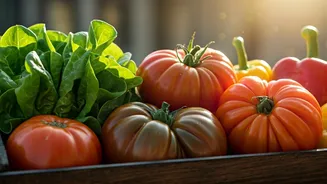
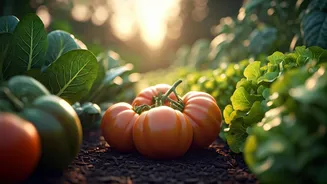
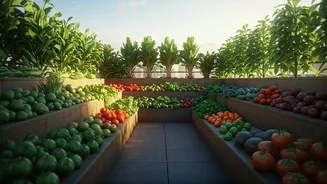
The benefits extend far beyond helping pollinators. Every patch of soil you cultivate contributes to a healthier local environment. Unlike sterile lawns, diverse gardens with deep-rooted plants help absorb rainwater, reducing stormwater runoff that pollutes rivers and streams. The soil itself becomes a living ecosystem, sequestering carbon from the atmosphere and fighting climate change on a micro-level. By growing even a small portion of your own food, you reduce 'food miles'—the long distances produce travels from industrial farms to your plate, which carries a heavy carbon footprint. Furthermore, community gardens and even visible front-yard veggie patches foster social connection, sparking conversations and building a shared sense of place. Your garden becomes a quiet statement of values, demonstrating a commitment to sustainability that can inspire others to join in.