



Moving Beyond Naan and Basmati
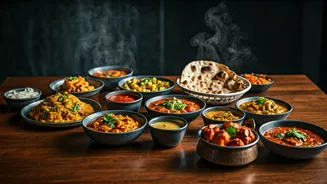
For decades, the Indian restaurant experience in the U.S. was comfortingly predictable. You knew you’d find fluffy basmati rice, pillowy naan bread, and a familiar cast of creamy curries. While delicious, this menu was a simplified snapshot, primarily
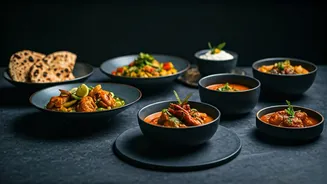
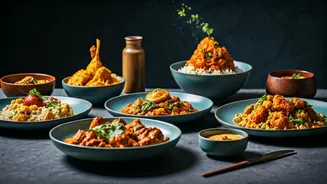
representing North Indian, Punjabi-style cuisine that was palatable, profitable, and easy to scale. It was Indian food filtered through an American and British lens. But a new generation of chefs and restaurateurs are rewriting that script. They are moving away from the one-size-fits-all “curry house” model and diving deep into the staggering diversity of India’s regional cuisines. From the coastal flavors of Kerala to the rustic fare of Rajasthan, these menus are telling a more specific, authentic, and personal story. And at the heart of this story is a humble but powerful ingredient that was long overlooked in American dining rooms: the grain.
The Ancient Grains Making a Comeback
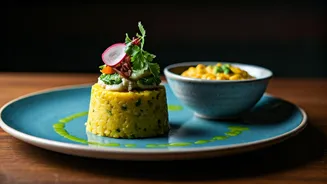
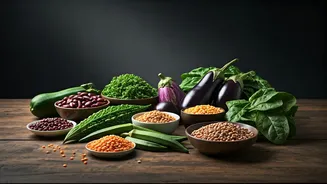
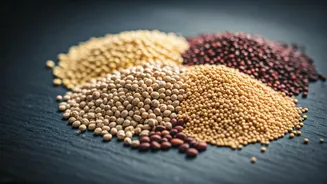
The stars of this movement aren't new creations; they are ancient staples being proudly reclaimed. Before the Green Revolution in the mid-20th century pushed wheat and rice to the forefront, vast regions of India subsisted on a rich variety of other grains. These are now reappearing on fine-dining plates and in innovative casual concepts. Keep an eye out for millets, a category that includes nutty, pearl-like *bajra* and earthy, reddish *ragi* (finger millet). You might find them in hearty, rustic flatbreads called *bhakri*, served instead of naan, or in savory porridges and pancakes. Then there’s *jowar* (sorghum), another powerhouse grain that can be ground into flour for breads or popped like corn for a crunchy snack. Even amaranth, a so-called “superfood” familiar from American health food stores, is being used in its traditional Indian context in desserts and breads. These grains offer a fascinating range of textures and flavors—from subtly sweet to deeply earthy—that expand our entire understanding of Indian food’s foundational starches.
Why Now? Health, Heritage, and Hot Kitchens
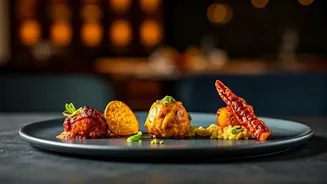
So, why the sudden shift? It’s a perfect storm of cultural and culinary factors. First, there’s health. Many of these ancient grains are naturally gluten-free, high in fiber and protein, and have a lower glycemic index than refined wheat or white rice, hitting a sweet spot for today’s wellness-conscious diner. The United Nations even declared 2023 the “International Year of Millets” to promote their nutritional and environmental benefits. Second, and perhaps more importantly, is heritage. Chefs like Chintan Pandya of New York’s Dhamaka and Semma, and many others across the country, are cooking the food of their families and their specific regions with unapologetic pride. They are rejecting the pressure to conform to an outdated idea of what American diners want. Instead, they’re betting that diners are ready for the real thing—the complex, diverse, and deeply personal dishes they grew up with. This isn't just cooking; it's a form of cultural expression, reintroducing what was once considered humble “village food” as a celebrated centerpiece.
A New Definition of Indian Food
This grain-forward movement is about more than just a new set of ingredients. It fundamentally redefines what “Indian food” means in the United States. It signals a move from generalization to specificity, from a menu designed to appease to one designed to educate and excite. By putting grains like millet and sorghum first, these restaurants are challenging diners to look beyond the creamy sauce and focus on the foundation of the meal—the bread that scoops it up, the porridge that anchors it. This shift empowers diners to engage with the cuisine on a deeper level, asking questions about region, agriculture, and history. It transforms a meal into a delicious exploration of India’s vast culinary landscape. It’s a testament to the confidence of a new culinary guard and the curiosity of a new generation of American eaters, proving that authenticity, when served with skill and passion, is the most compelling flavor of all.