

The Desert's Counterintuitive Dream
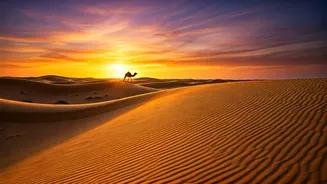
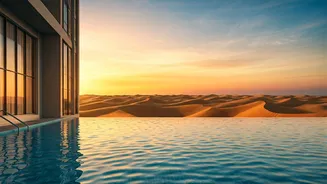
The Sam Sand Dunes, located on the outskirts of Jaisalmer in India’s Thar Desert, are a postcard staple. They’re famous for fiery sunsets, camel caravans silhouetted against crests of sand, and the vibrant chaos of peak-season tourism. But from July to September,
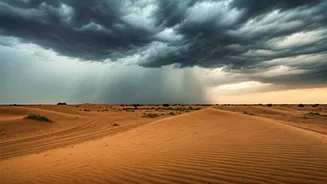
when the monsoon sweeps across India, this landscape undergoes a quiet, profound transformation. This isn’t the torrential downpour you might find elsewhere in the country; the desert’s monsoon is a more subtle affair. It’s a season of fleeting showers, dramatic skies, and a cool respite from the blistering heat that defines the region for most of the year. Visiting during this time feels less like a tourist activity and more like stepping into a living painting where the elements are putting on a private show.
A Symphony for the Senses
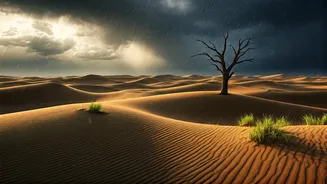
The primary way the monsoon changes the dunes is sensory. The first and most powerful change is the smell. When rain finally kisses the parched sand, it releases an intoxicating earthy fragrance known as petrichor. In the desert, this scent is amplified—a clean, mineral-rich aroma that feels ancient and life-giving. The air, usually thick with dust and heat, becomes crisp and clean. The soundscape shifts, too. The silence of the desert is punctuated not by crowds but by the gentle patter of a brief shower or the distant rumble of thunder. Visually, the contrast is stunning. Imagine the deep gold of the sand set against the bruised purple and gray of a storm cloud. The light becomes softer, more diffused, casting the dunes in a muted, dreamlike glow that photographers and artists find irresistible.
Life Awakens in the Sand
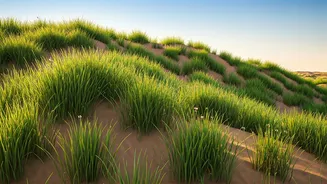
While the Thar Desert is arid, it’s far from lifeless. The monsoon rains act as a trigger for a surprising burst of biology. Seemingly barren stretches of sand suddenly sprout patches of green as dormant seeds spring to life. Thorny shrubs and hardy desert grasses wear a fresh, vibrant coat. This temporary greening of the landscape attracts a host of creatures. You’ll see more insect life, from industrious desert beetles to fleeting butterflies. It also brings out unique desert-adapted wildlife, like the spiny-tailed lizard, and draws a surprising variety of birds that feast on the newly available insects. The dunes, often seen as a static landscape, reveal their resilience and cyclical nature. It’s a powerful reminder that even in the harshest environments, life is simply waiting for its moment.
The Luxury of Solitude
Perhaps the most compelling reason to visit the Sam Dunes during the monsoon is the blissful lack of crowds. The winter months, from October to March, are peak season. The dunes buzz with jeep safaris, folk music performances, and hundreds of tourists vying for the perfect sunset photo. It’s an energetic, festive atmosphere, but it’s rarely a peaceful one. In the monsoon, that all changes. Many of the sprawling desert camps and tour operators shut down for the off-season. The few that remain offer a more intimate, unhurried experience. You can walk for miles across the damp, firm sand and feel like you have the entire desert to yourself. The camel ride you take is no longer part of a long procession but a quiet journey into a vast, empty wilderness. This solitude allows for a deeper connection to the landscape, turning a simple visit into a meditative retreat.
Planning for the Unconventional
Traveling to the dunes in the monsoon requires a shift in expectations. While the rains bring cooler temperatures, humidity can rise. It’s essential to check which camps or resorts are open before you go, as many will be closed for maintenance. Access roads can occasionally be affected by a heavy (though rare) downpour. Activities are simpler: think long walks, quiet reflection, and photography rather than the full suite of cultural shows. But for the traveler who prioritizes atmosphere over amenities, the rewards are immense. It’s a chance to see a world-famous destination shed its commercial skin and reveal its raw, natural soul. The experience isn't about ticking a box; it's about witnessing the rare and beautiful spectacle of a desert celebrating the rain.