






From Pet to Family Member
The single biggest driver behind the explosion in pet-friendly travel is a profound cultural shift in how we view our animals. For a vast and growing number of Americans, particularly Millennials and Gen Z, pets are not property; they are bona fide family
members. This change, accelerated by the pandemic-era surge in pet adoptions, has reshaped domestic life, and now it's reshaping the travel industry. According to the American Pet Products Association, an estimated 66% of U.S. households own a pet, and a significant portion of those owners, often called 'pet parents,' organize their lives—including their leisure time and travel plans—around their animals. The emotional toll and logistical hassle of leaving a pet behind in a kennel are being replaced by the desire for shared experiences. This isn't just about bringing a dog along; it's about wanting the entire family unit, paws and all, to be part of the adventure.
The New 'Pet-o-nomy'
Where sentiment leads, money follows. The travel and hospitality sectors have woken up to the lucrative 'pet-o-nomy.' What was once a rare amenity offered by a few boutique hotels is now a competitive advantage. Major chains like Hilton, Marriott, and Hyatt have dramatically expanded their pet-friendly policies, recognizing that pet owners represent a loyal and high-spending demographic. Data from booking platforms confirms the trend. Airbnb reported that 'pet-friendly' is one of its most-used search filters, and travel sites have seen double-digit growth in related searches year over year. This isn't just about avoiding lost revenue from travelers who might otherwise stay home. Hotels are creating new revenue streams through pet fees, which can range from a modest one-time charge to over $100 per night. The economic logic is simple: accommodating a 60-pound Golden Retriever is now more profitable than turning his owner away.
Beyond the 'Pets Welcome' Sign
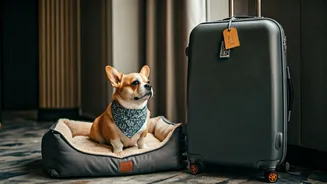
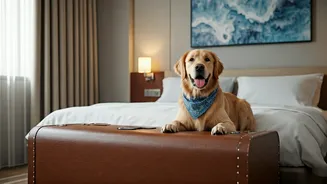
True integration goes far beyond simply allowing an animal on the premises. The new standard for pet-friendly hospitality is about active curation. Forward-thinking hotels are rolling out the red carpet for their four-legged guests with an array of surprisingly sophisticated perks. It's not uncommon to find properties offering custom pet beds, gourmet room-service menus featuring grilled salmon or steak, and welcome kits filled with organic treats and locally made toys. Some upscale hotels have 'Directors of Pet Relations,' designated canine concierges who can arrange for dog-walking services, pet-sitting, and appointments at nearby grooming salons. Brands like Kimpton Hotels, a pioneer in this space for decades with its famously lenient 'if it fits through the door' policy, set a high bar that others are now scrambling to meet. This evolution from tolerance to enthusiastic embrace is the clearest sign that pet travel has gone fully mainstream.
Navigating the New Landscape
Of course, this pet-friendly utopia is not without its complexities. Travelers must still navigate a patchwork of rules that vary wildly by property, airline, and even destination. Most hotels have size and breed restrictions, and the term 'pet-friendly' can mean anything from full-service luxury to a designated 'pet floor' near the service elevator. Hidden fees and deposits are common, and travelers are expected to adhere to a strict code of etiquette regarding barking, cleanliness, and public spaces. The onus remains on the owner to ensure their pet is well-behaved and that they respect the comfort of other guests. But these are seen less as barriers and more as the practical logistics of a new way of traveling, much like packing a car seat for a toddler.