


Beyond 'Fusion' Cuisine
Let’s get one thing straight: this isn’t the fusion food of the ‘90s. We’re not talking about wasabi mashed potatoes or mango salsa arbitrarily thrown on a piece of fish. That era of culinary mashups often felt forced, a clumsy attempt at novelty that
sometimes sacrificed flavor and authenticity for a gimmick. Today’s multi-regional menus are something else entirely. They are more thoughtful, more personal, and far more cohesive. Instead of being a collision of cultures, these menus represent a seamless conversation between them. The chefs behind them aren't just mixing and matching ingredients; they are weaving together techniques, flavor profiles, and culinary philosophies that have personal meaning, resulting in dishes that feel surprisingly harmonious and deeply intentional.
The Chef as Storyteller
The secret ingredient in this new wave of cooking is autobiography. Many of the chefs at the forefront of this movement are drawing from their own complex identities—as first-generation Americans, immigrants, or extensive world travelers. They are the “third culture kids” of the culinary world, fluent in the food languages of their parents’ homelands and the American cities where they grew up. A chef might use a French technique learned in culinary school to prepare a traditionally Filipino ingredient from their childhood, served on a plate inspired by a trip to Mexico. Each dish becomes a chapter in their life story. When you eat their food, you’re not just consuming a meal; you’re experiencing their journey, their memories, and their unique perspective on the world. It’s an edible memoir.
Your Plate as an Itinerary
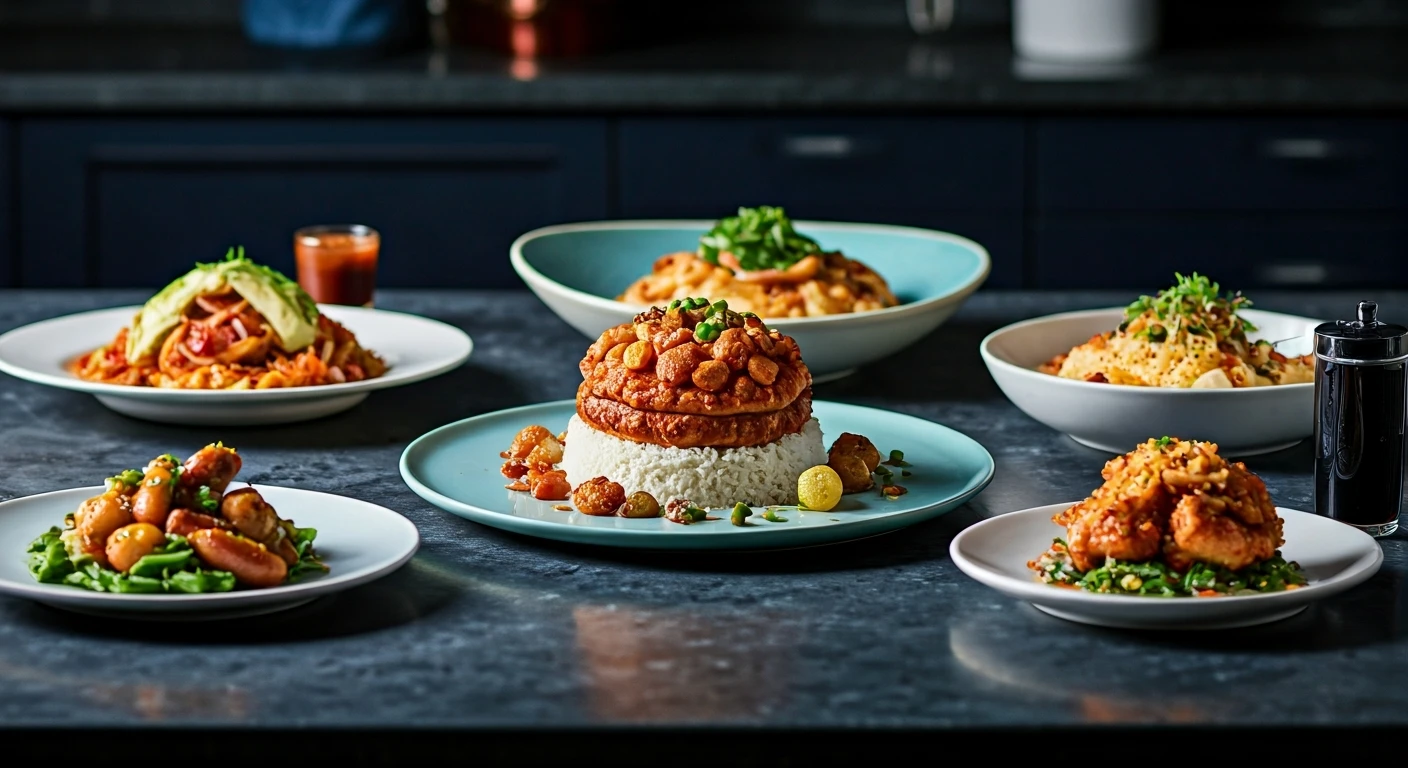
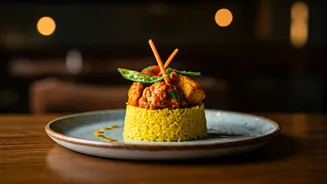
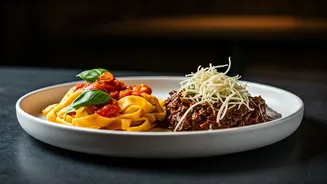
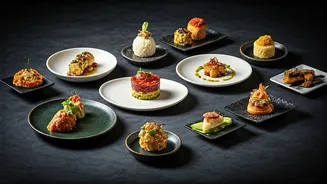
So what does this look like on the table? It might be a taco filled with Korean-style short ribs, topped with a kimchi slaw and a crema infused with Oaxacan chilies. Or perhaps it’s a pasta dish where the noodles are made with Japanese ramen techniques, served in a broth that marries Italian umami with Thai aromatics. The experience can be exhilarating. The first bite might transport you to a bustling street market in Bangkok with its bright, herbaceous notes. The next might evoke the comforting warmth of a grandmother’s kitchen in rural Italy. These dishes play with your expectations, creating a sense of discovery and delight. Your palate follows a curated itinerary, finding surprising connections between seemingly disparate places. It’s a journey of textures and tastes that keeps you engaged and guessing, much like exploring a new city for the first time.
A Taste of Our Connected World
Ultimately, this trend is more than just a fun way to eat dinner. It’s a reflection of our increasingly interconnected world. Decades of globalization, migration, and digital access have blurred the lines between cultures. We are more exposed than ever to different ways of living, thinking, and, of course, eating. Multi-regional menus are the culinary embodiment of this reality. They celebrate the idea that identity is not static or singular. They argue, deliciously, that you can be from multiple places at once, and that these blended identities create something beautiful, new, and uniquely compelling. In a world that can often feel divided, these plates offer a powerful taste of unity and shared human experience.