





The Homework Treadmill
For decades, the American education system has operated on a simple, if flawed, premise: more work equals better outcomes. This belief trickles down into nightly backpacks filled with worksheets, reading logs, and dioramas. Yet a growing body of research
challenges this assumption. Harris Cooper, a leading scholar on the topic from Duke University, popularized the “10-minute rule”—ten minutes of homework per grade level. That means a third-grader should have about 30 minutes, not two hours. Beyond this threshold, particularly in elementary school, the academic benefits of homework plateau and can even become negative. Instead of fostering a love of learning, excessive homework can lead to burnout, stress, and family conflict. It becomes a box-ticking exercise in compliance rather than a meaningful extension of classroom learning. When we load kids down with busywork, we're not making them smarter; we're just making them tired.
The Lure of the Digital Pacifier
The alternative, for many exhausted families, is the screen. It’s the easy, quiet, and endlessly available option. But trading homework for unfettered screen time is like swapping a plate of junk food for a different plate of junk food. The American Academy of Pediatrics has consistently warned about the impact of excessive passive screen use on developing brains. It can interfere with sleep, shorten attention spans, and displace the hands-on activities crucial for cognitive and motor development. Of course, not all screen time is created equal. Coding a game or video-chatting with a grandparent is different from passively scrolling through an endless feed of algorithmically-generated content. The problem is that the latter is the default mode for many kids. The screen becomes a digital pacifier, robbing them of the opportunity to learn how to navigate boredom, entertain themselves, and engage with the physical world.
What They Really Need: Nothing
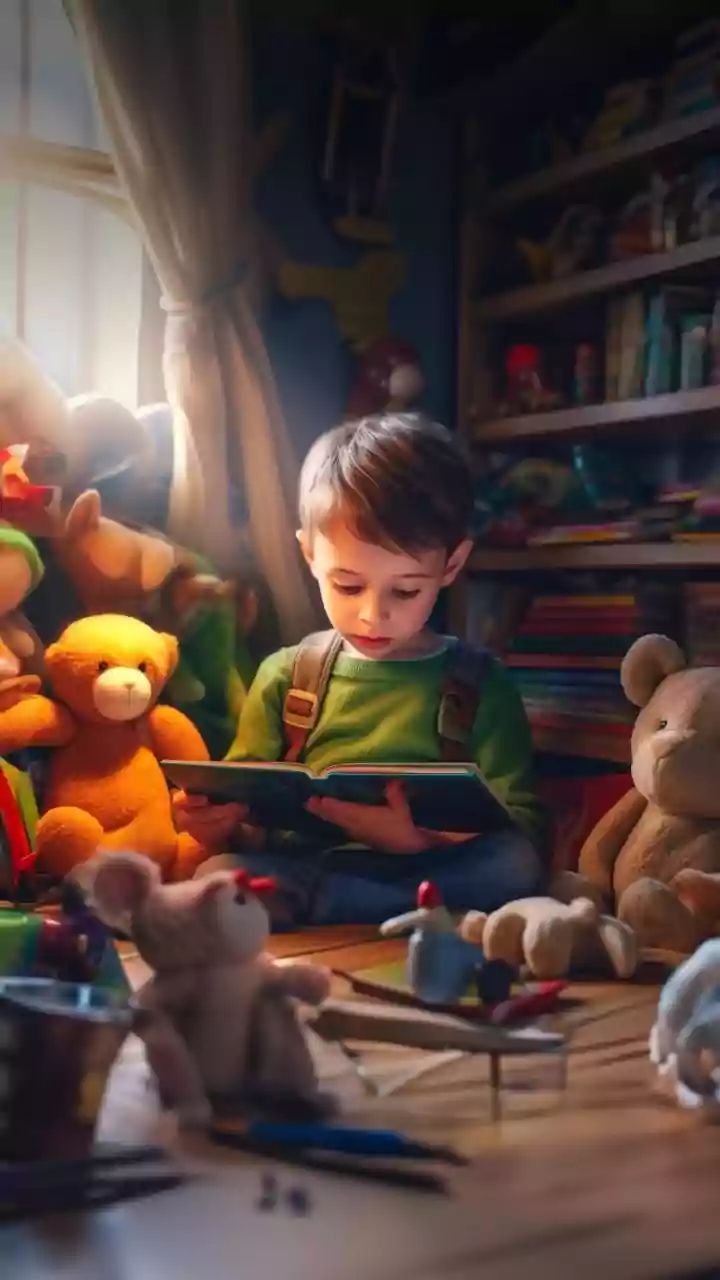
So if it’s not more homework and it’s not more screens, what’s the answer? It’s something that feels radical in our over-scheduled world: nothing. What kids desperately need is unstructured, unscheduled, and unguided time. They need time to be bored. Boredom is not a void to be filled; it's the incubator of creativity. It's the moment a child picks up a stick and decides it’s a magic wand, a sword, or the foundation of a fort. It’s when they dig in the dirt, stare at the clouds, or create elaborate, nonsensical games with a sibling. This isn't wasted time. This is where true learning happens. Unstructured play develops executive functions like problem-solving, negotiation, and self-regulation far more effectively than a worksheet on the same topics. It allows children to process their day, explore their own interests, and build a resilient inner world—skills that are indispensable for mental health and future success.
Redefining a Productive Afternoon
The great parental anxiety of our time is the fear that our children are falling behind. We try to mitigate this with tutoring, extra assignments, and educational apps, filling every moment with something that looks like “productive” activity. This piece argues for a radical redefinition of productivity for children. A productive afternoon might be one spent climbing a tree, building a sprawling Lego city without instructions, or simply lying on the grass doing nothing at all. It’s about trusting that children are natural learners and that their development isn't a race. As parents and educators, our role isn't just to manage their schedules, but to fiercely protect their right to an unoccupied mind and unscheduled time. It means pushing back on excessive homework policies at school and having the courage to enforce screen-free boundaries at home, even when it’s difficult.