





The Patient Bulb
For much of the year, a rain lily is not much to look at. In fact, you can’t see it at all. Known to botanists by genera like *Zephyranthes*, these plants spend the driest, hottest parts of the year as unassuming bulbs tucked safely underground. This
isn’t a sign of weakness; it’s a brilliant survival strategy. In this dormant state, the bulb is a self-contained life-support system, hoarding just enough energy and moisture to wait out punishing conditions. It’s not dead or dying; it’s waiting. This period of dormancy allows the plant to avoid the stresses of drought and intense heat, effectively putting its life on pause until the moment is right.
What Wakes the Lily?
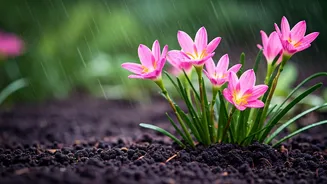
The headline's mention of “monsoon drops” is a poetic and largely accurate way to describe the trigger. Rain lilies don’t stir for just any light sprinkle. They’re waiting for a specific environmental cue: a thorough, ground-soaking rain that signals the end of a dry spell. This is why they are so closely associated with the start of monsoon season in the American Southwest or the first heavy summer thunderstorms along the Gulf Coast. The sudden, deep influx of water does two things. First, it provides the necessary hydration for rapid growth. Second, the accompanying drop in soil temperature and potential changes in atmospheric pressure serve as an unmistakable alarm clock. It’s nature’s way of shouting, “Now! Go now!” This precise trigger prevents the bulb from wasting its stored energy on a false start, ensuring it only commits to blooming when conditions are truly favorable for success.
The Race to Bloom
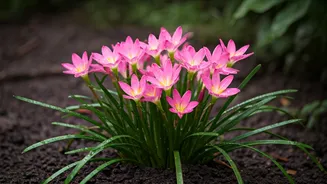
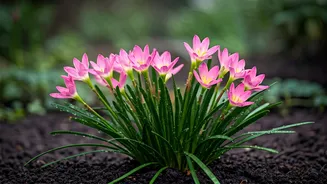
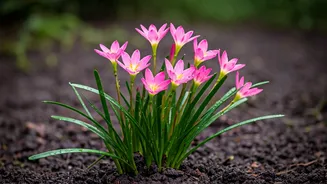
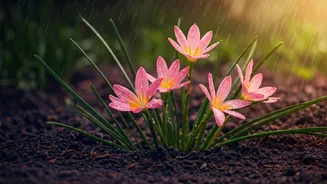
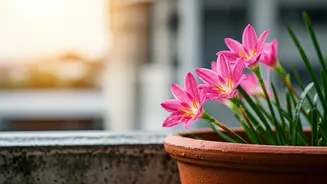
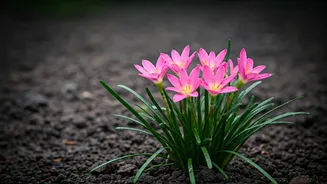
Once awakened, the rain lily puts on a stunning performance of speed and efficiency. It has no time to waste. Having conserved its energy for months, it funnels all its resources into a single, urgent goal: reproduction. Slender green stalks spear through the softened soil, often appearing seemingly overnight. Within a shockingly short window—sometimes as little as two to three days after the rain—these stalks are topped with delicate, star-shaped flowers in shades of white, pink, or yellow. This explosive growth is a race against time. The plant needs to unfurl its petals, attract pollinators, and produce seeds before the soil dries out again and the window of opportunity closes. There is no leisurely leafing out; the flowers often appear before the foliage, a testament to the plant’s singular focus.
A Fleeting, Beautiful Show
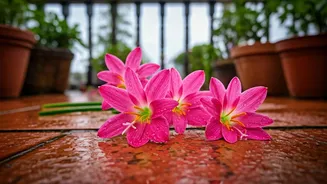
If you’re lucky enough to witness a mass blooming of rain lilies, don’t blink. Their spectacular display is as brief as it is beautiful. A single flower may only last for a day or two, and a whole colony’s bloom cycle might be over in less than a week. This ephemeral nature is part of their magic. They are not a constant presence in the landscape but a sudden, joyous celebration of the rain. Their fleeting beauty serves a purpose, creating an urgent spectacle for pollinators like bees and butterflies, who are drawn to the sudden feast in an otherwise sparse environment. Once the flowers fade, the plant may produce leaves to photosynthesize and replenish the bulb’s energy stores for the next long wait. Then, as the dry season returns, it retreats back underground, ready to repeat the cycle.