






More Than a Pet, an Emotional KPI
The cultural shift from 'pet owner' to 'pet parent' isn't new, but Gen Z has supercharged it with the language of therapy and self-care. In an era of delayed homeownership, marriage, and childbirth, pets—especially relatively low-maintenance cats—fill
a significant emotional space. They aren't just companions; they are dependents, trainees in a school of unconditional love, and living, breathing reflections of their caretaker's values. A thriving cat with a glossy coat, a calm demeanor, and an engaged play style becomes a tangible success story. It’s proof that you are capable, nurturing, and responsible in a world where other traditional metrics of adulting feel increasingly out of reach. This emotional investment provides the 'why' for the intense optimization that follows. The cat's well-being is a Key Performance Indicator (KPI) for the owner's own emotional and domestic stability.
The Wellness Gospel, for Whiskers
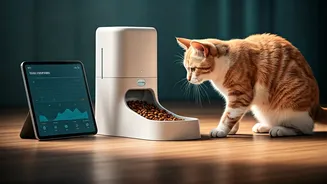
If you track your sleep, count your macros, and meditate with an app, it only makes sense that this optimization mindset would extend to the other living beings in your home. Gen Z is applying the entire wellness industry playbook to their feline friends. This isn't just about avoiding the cheap stuff at the grocery store. It's about deep-dive research into brand ethics, ingredient sourcing, and veterinary science. Is a grain-free diet better, or does it risk cardiomyopathy? Is a filtered, circulating water fountain necessary to encourage proper hydration and prevent urinary tract issues? Does the cat have enough 'enrichment' in its environment—puzzle feeders for mental stimulation, vertical climbing spaces for exercise, and a curated rotation of novel toys to prevent boredom? These aren't panicked questions; they are calm, rational inputs into an equation where the desired output is a perfectly healthy, happy, and long-living animal. It’s lifestyle management, applied to a cat.
The Aesthetics of Advanced Cat Care
This trend is powered by, and performed on, social media. The perfectly curated apartment, a hallmark of Instagram and TikTok, now includes perfectly curated pet accessories. Gone are the gaudy, carpet-covered cat towers of yesteryear. In their place are minimalist, Scandinavian-design climbing structures made of light wood and felt. Litter boxes are hidden in sleek side tables. Food bowls are artisanal ceramic. It's not enough for the cat to be well-cared for; the care itself must be aesthetically pleasing. This creates a powerful feedback loop. You see other people’s beautifully designed 'catios' (cat patios) and subscription-box cat food, which normalizes a higher standard of care and creates consumer demand. A whole ecosystem of direct-to-consumer brands has emerged, selling everything from chic cat harnesses to fresh, human-grade cat food that looks more like a meal prepped for a health-conscious human than traditional pet slop.
A Search for Control and Connection
Ultimately, the hyper-optimization of cat care speaks to a deeper generational desire for control and meaning. For a generation facing economic precarity, climate anxiety, and political polarization, the world outside can feel chaotic and unmanageable. The home, by contrast, becomes a sanctuary—a space that can be controlled and perfected. Meticulously managing a cat's health and happiness is a profoundly grounding activity. It’s a project with clear goals, measurable results (a purring cat on your lap), and an immediate, positive feedback loop. Unlike a career that might stall or a relationship that might falter, the bond with a well-cared-for pet offers a reliable source of unconditional affection and a clear sense of purpose. In optimizing their cat's life, Gen Z may just be finding a tangible way to build a small, perfect world they can actually succeed in.