


Swap Your Grains Wisely
The foundation of many Indian meals is a grain, making this the easiest place to start. The goal is to prioritize whole grains over their refined counterparts. This means choosing whole wheat atta for your rotis and chapatis over breads and naans made
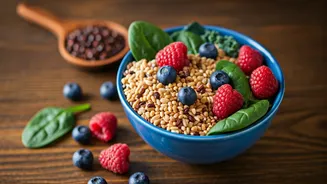
with maida (refined white flour). When it comes to rice, simply switching from polished white rice to brown or single-polish rice a few times a week can significantly boost your fiber intake without drastically changing the nature of your meal. For those in regions where millets are common, incorporating jowar (sorghum), bajra (pearl millet), or ragi (finger millet) rotis is a superb, nutrient-dense strategy. These ancient grains are not only packed with fiber but also offer a host of other micronutrients.
Double Down on Dals and Legumes
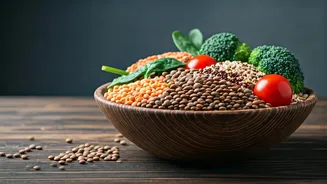
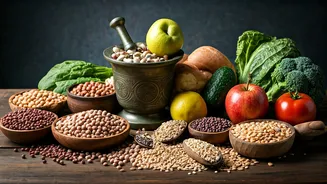
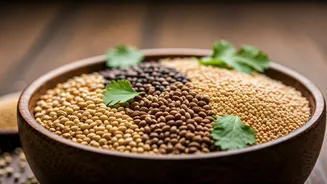
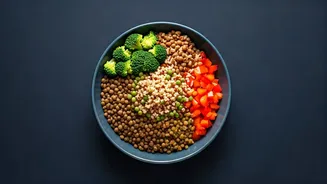
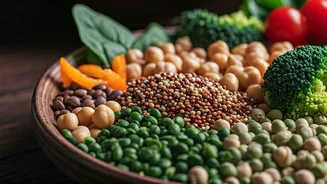
Legumes are the unsung heroes of fiber, and Indian cuisine is built on them. Almost every region has its signature dal, and it’s time to give it the respect it deserves. A single serving of lentils, chickpeas (chana), or kidney beans (rajma) can provide a substantial portion of your daily fiber needs. Don't relegate dal to a thin, watery side dish. Make it a thick, hearty centerpiece of your meal. Explore the vast world of Indian legumes beyond your usual masoor or toor dal. Try cooking with whole lentils (sabut dal), black-eyed peas (lobia), or moth beans (matki). Using them in salads, sabzis, and even snacks like sprouts chaat can dramatically increase your fiber consumption throughout the day.
Load Your Plate with Vegetables
A colorful plate is a fiber-rich plate. While potato-heavy dishes are delicious, focus on non-starchy, fibrous vegetables for your daily sabzi. Indian markets are brimming with fantastic options. Okra (bhindi), gourds (lauki, tori), green beans, cabbage, cauliflower, and leafy greens like spinach (palak) and fenugreek (methi) are all excellent sources of fiber. The key is in the preparation. Avoid overcooking them into a mush, which can break down some of the fiber structure. A light stir-fry or a quick steam preserves both nutrients and texture. Aim to have at least one, if not two, vegetable preparations with your main meals, and ensure they fill up at least a third of your plate.
Rethink Your Snack Habits
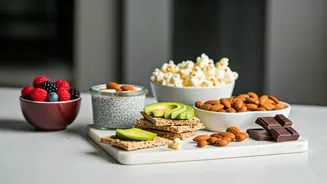
The 4 p.m. snack attack is often where healthy intentions crumble. Instead of reaching for fried snacks or biscuits made from refined flour, switch to fiber-rich whole foods. A piece of fruit is the simplest and one of the best options. Apples, pears, guavas (amrood), and oranges are all fantastic choices. A handful of nuts and seeds like almonds, walnuts, and roasted pumpkin seeds can provide both fiber and healthy fats to keep you full. Another great option is a small portion of roasted chana (chickpeas), a classic high-fiber, high-protein snack that has stood the test of time.
Supercharge with Seeds
This is where a modern touch can beautifully complement traditional eating. Seeds like flax (alsi), chia, and basil seeds (sabja) are tiny powerhouses of soluble fiber. They are incredibly easy to incorporate into your diet. Add a tablespoon of ground flaxseed to your chapati dough, oatmeal, or dahi. Sprinkle chia seeds over your fruit bowl or blend them into a smoothie. On hot days, a glass of water with soaked sabja seeds is not only cooling but also a fantastic way to boost your fiber intake and aid digestion. These seeds form a gel-like substance in your digestive tract, which helps promote regularity and keeps you feeling full longer.
Don't Forget to Hydrate
This isn't a food item, but it's arguably the most critical part of a high-fiber diet. Fiber works by absorbing water in your gut, which adds bulk and softens stool. Without enough water, a high-fiber diet can lead to the opposite of its intended effect: constipation, gas, and bloating. As you increase your intake of all the wonderful foods on this checklist, you must also increase your water intake. Carry a water bottle with you, and sip consistently throughout the day. Listen to your body; if your urine is dark yellow, you need to drink more. Think of water as the vehicle that makes all the fiber you're eating work effectively.