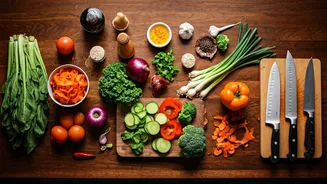





The Philosophy: From Trash to Treasure
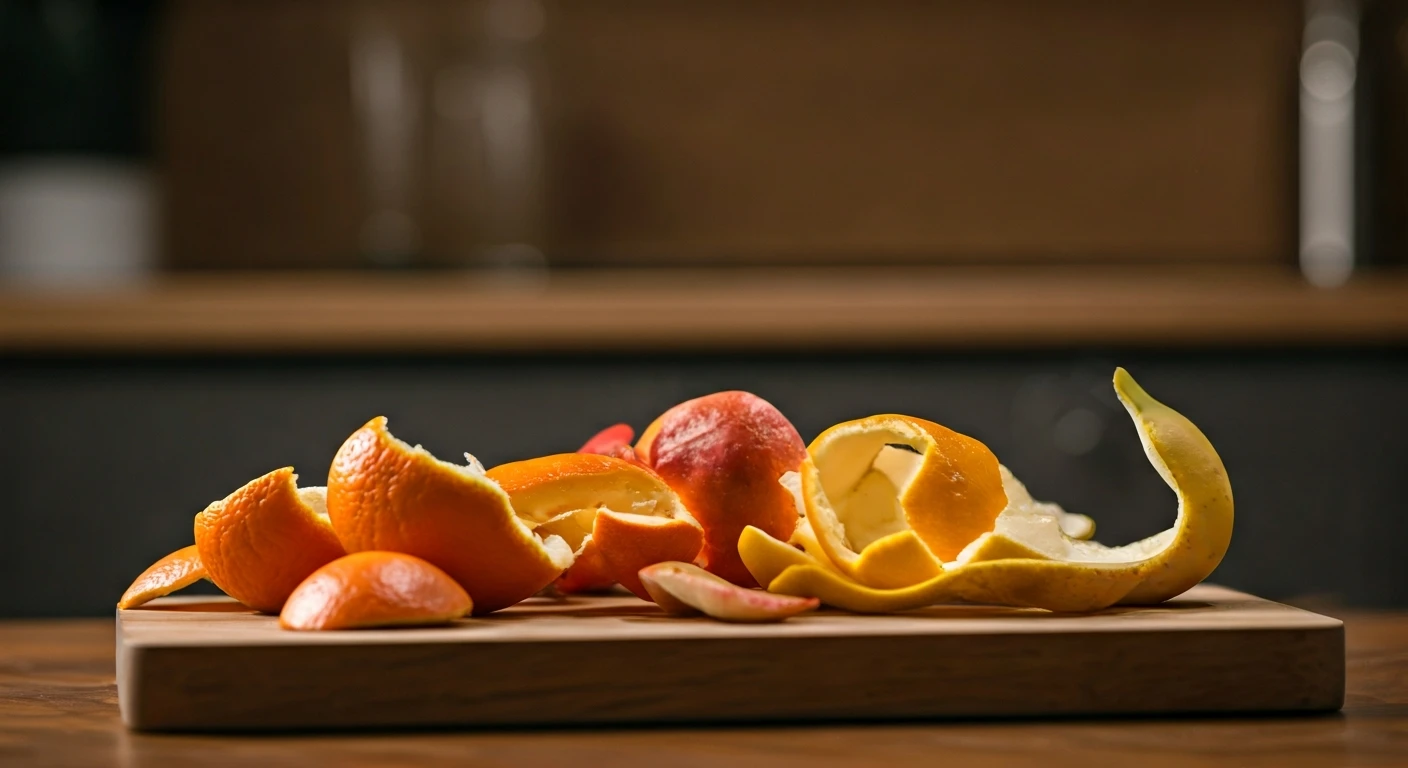
For generations, the odds and ends of cooking—vegetable peels, herb stems, cheese rinds, stale bread—were destined for the trash can or compost bin. But a growing movement, championed by forward-thinking chefs and resourceful home cooks, is reframing
these items not as scraps, but as ingredients in their own right. This isn't just about saving money or being eco-conscious, though it is both of those things. It’s a creative challenge that unlocks new flavors and textures. The 'root-to-stem' and 'nose-to-tail' philosophies encourage using the entire plant or animal, pushing cooks to find delicious purpose in every last bit.
Starring: The Humble Vegetable Peel
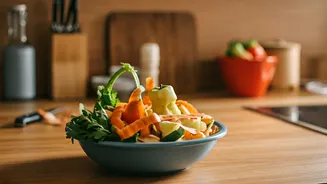
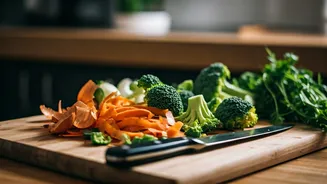
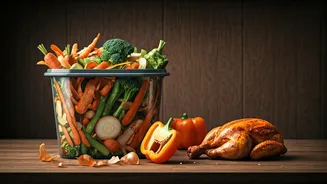
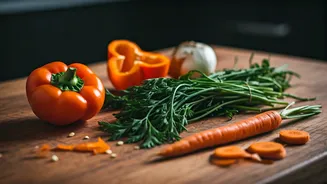
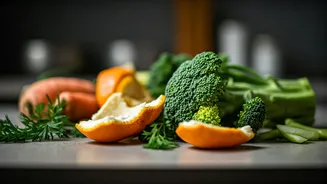
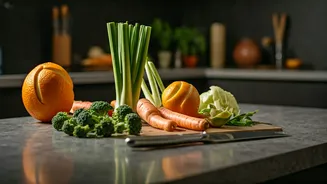
Potato, carrot, and sweet potato peels are the unsung heroes of the vegetable drawer. Instead of scraping them into the bin, give them a starring role. Toss clean, dry peels with a drizzle of olive oil, salt, and your favorite spices (smoked paprika and garlic powder are fantastic) and roast them at 400°F until crispy. You’ll have a batch of addictive 'veggie chips' in about 15-20 minutes. Alternatively, save all your onion, carrot, and celery scraps in a bag in the freezer. Once it's full, simmer them in a pot with water for an hour to create a deeply flavorful, zero-cost vegetable stock that forms the perfect base for soups and sauces.
Featuring: Those Forgotten Herb Stems
We love cilantro leaves and parsley fronds, but their woody stems often get tossed. This is a huge flavor mistake. The stems of soft herbs like parsley, cilantro, and dill are packed with essence. Finely chop them and mix them into salads, meatballs, or sauces for an extra pop of freshness. For a more sophisticated trick, bundle them together and drop them into a bottle of olive oil or white vinegar. Let it infuse for a week, and you'll have a custom-flavored finishing oil or vinaigrette base, perfect for dressing salads or drizzling over roasted fish.
Special Guest: The Mighty Cheese Rind
Never, ever throw away the hard rind from a block of Parmesan, Pecorino, or other hard, aged cheese. That seemingly inedible piece is a flavor bomb waiting to detonate. Just drop the rind into a simmering pot of tomato sauce, minestrone soup, or a simple bean stew. As it heats, it will soften and release its nutty, savory, umami-rich flavor into the liquid, adding a profound depth that you can’t get any other way. After about 30-45 minutes of simmering, fish out what’s left of the rind and discard it. Your dish will be immeasurably richer.
And: The Stale End of the Loaf
That rock-hard heel of sourdough or the last few slices of a day-old baguette are culinary assets. The easiest move is to tear them into rustic chunks, toss with oil and herbs, and bake them into crunchy croutons for salads and soups. You can also pulse them in a food processor to make breadcrumbs for coating chicken or topping a casserole. For a truly show-stopping dish, use stale, sturdy bread to make a classic Italian panzanella salad, where the bread soaks up tomato juice and vinaigrette, transforming into a tender, flavorful foundation for fresh vegetables.
Also Appearing: Fruit Cores and Coffee Grounds
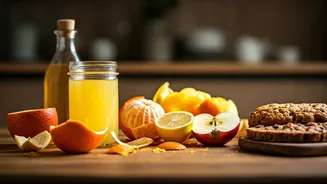
The low-waste mindset extends beyond the savory. Simmer apple cores and peels with a cinnamon stick to make a light, fragrant tea or the base for a simple syrup you can use in cocktails. Even used coffee grounds have a second life. Mix them with a bit of brown sugar and coconut oil for an invigorating body scrub. Some bakers even dry them out and add a small amount to chocolate-based desserts like brownies to deepen the flavor. It’s all about looking at what's in front of you and asking, 'What else can you be?'