
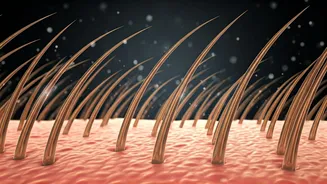




Scalp Care is the New Skincare
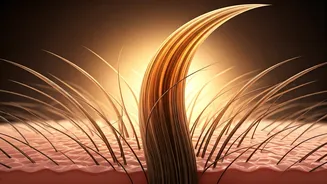
The biggest shift in hair care isn’t about your ends—it’s about your roots. The “skinification” of hair trend treats your scalp with the same reverence as the skin on your face. Think about it: a healthy garden needs healthy soil. Your scalp is the soil for
your hair follicles. An unhealthy scalp—clogged with product buildup, oil, and dead skin cells—can impede growth and lead to inflammation. This trend has ushered in a wave of new products like scalp serums with hyaluronic acid and niacinamide, detoxifying scrubs, and pre-shampoo oils. The goal is to create a balanced, clean, and stimulated environment where hair can thrive. It’s less about a miracle cure and more about creating the optimal conditions for the growth you already have.
The Rosemary Oil Renaissance
If you’ve spent any time on social media, you’ve seen this one. Rosemary oil has become a viral sensation, touted as a natural alternative for stimulating growth. But is there anything to it? Surprisingly, yes. A notable 2015 study compared rosemary oil to 2% minoxidil (the active ingredient in Rogaine) for androgenetic alopecia (pattern baldness). After six months, both groups saw a significant increase in hair count, with no statistical difference between them. The rosemary oil group, however, reported less scalp itching. The theory is that a component in the oil, carnosic acid, may help heal nerve endings and improve circulation to the follicles. While it’s not a guaranteed fix for everyone, it’s one of the more evidence-backed natural trends to emerge in years.
Peptides & Bond-Builders Get Structural
For a long time, the focus was solely on the follicle. Now, we’re talking about the integrity of the hair shaft itself. Weak, brittle hair breaks before it has a chance to get long. That's where peptides and bond-building technology come in. Peptides are short chains of amino acids, the building blocks of proteins like keratin that make up your hair. When applied topically, certain peptides can signal follicles to produce more hair or anchor it more firmly. Meanwhile, bond-builders (popularized by brands like Olaplex and K18) work to repair the broken disulfide bonds within the hair strand that result from chemical treatments, heat, and mechanical damage. By strengthening the existing hair, you reduce breakage, which translates to hair that feels and looks fuller and can grow longer.
In-Office Treatments Go Mainstream
For those seeking more intensive solutions, once-niche dermatological procedures are becoming more common. Platelet-Rich Plasma (PRP) therapy involves drawing your own blood, spinning it in a centrifuge to concentrate the growth-factor-rich platelets, and injecting it back into your scalp. The goal is to supercharge the body's natural repair and growth signals directly at the follicle. Another option is Low-Level Laser Therapy (LLLT), which uses red light devices (available as in-office treatments or at-home caps and headbands) to stimulate cellular activity in the follicles, potentially pushing them into the active growth phase. These are significant investments of time and money, but they represent the leading edge of hair restoration science moving from clinics to a wider audience.
The Inside-Out Approach
Finally, there's a growing recognition that hair health is a reflection of overall wellness. You can’t apply a serum and expect it to counteract a poor diet, chronic stress, or a nutrient deficiency. The holistic trend focuses on the internal factors that influence hair. This includes ensuring you’re getting enough key nutrients like iron, vitamin D, zinc, and B vitamins. It also means managing stress, as high levels of the stress hormone cortisol can prematurely push hair follicles into the “shedding” phase. People are connecting the dots between their lifestyle and their hair, paying more attention to nutrition and incorporating stress-reducing practices. While not as glamorous as a new product, this foundational approach is what makes all the other trends work better.