


More Than Just a Green Trend
For generations, the kitchen mantra was to peel, core, and discard. But a growing movement of resourceful home cooks and professional chefs is flipping that script. This isn’t just about environmental guilt; it’s a culinary revelation. Many fruit peels
are packed with essential oils, aromatic compounds, and unique textures that are lost when they're thrown away. By re-imagining these scraps as ingredients, you unlock a new layer of flavor in your cooking, get more nutritional bang for your buck, and significantly shrink your household food waste. It’s a triple win: good for your palate, your wallet, and the planet.
The Golden Rules of Peel Prep
Before you start saving every scrap, there are some important ground rules. First, cleanliness is key. Always wash and scrub the outside of your fruit thoroughly, even if you plan to peel it. This removes dirt and surface contaminants. Second, go organic when you can. Since you'll be consuming the peel where pesticide residues are most likely to concentrate, choosing organic is the safest bet. If you can't get organic, a good scrub and a soak in a solution of water and baking soda can help. Finally, know what to avoid. While many peels are edible, some, like those from avocados, mangoes, and lychees, are tough, bitter, or contain compounds that aren't good for you. Stick to the tried-and-true peels to start.
Citrus Peels: The Undisputed All-Stars
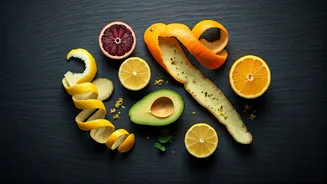
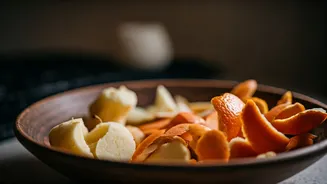
If you’re new to peel cooking, citrus is the perfect place to start. Orange, lemon, lime, and grapefruit peels are aromatic powerhouses. The simplest use is zesting—grating the colorful outer layer into batters, marinades, or salad dressings. But you can go bigger. Simmer strips of peel in sugar and water to create glistening candied peels for decorating cakes or dipping in chocolate. Infuse them in vodka or gin for a custom-flavored spirit, or in olive oil for a bright finishing touch on fish or vegetables. You can also make a classic oleo saccharum—a bartender's secret—by covering peels with sugar to draw out the oils, creating a magnificent syrup for cocktails and lemonades.
Banana Peels: The Savory Surprise
This is the one that makes people pause, but hear us out: the humble banana peel is incredibly versatile, particularly in savory cooking. When cooked, the peel loses its bitterness and develops a tender, meaty texture. The most popular application is as a plant-based substitute for pulled pork. Simply shred the peel with a fork, season it aggressively with barbecue sauce, smoked paprika, and other spices, and sauté it until tender and flavorful. It’s a shockingly convincing dupe. Banana peels are also a fantastic addition to curries and stir-fries, where they absorb the flavors of the sauce and add a surprising textural element.
Beyond the Basics: Other Scraps to Save
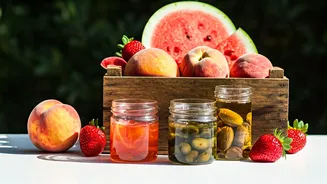
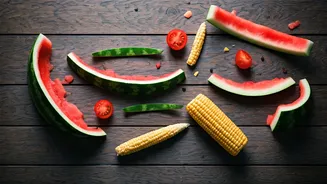
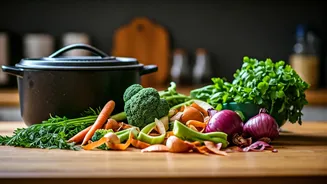
Once you're comfortable with citrus and bananas, the possibilities expand. Watermelon rinds, for instance, are perfect for pickling. The crisp, white part of the rind transforms into a tangy, sweet-and-sour condiment that’s fantastic on sandwiches or as part of a cheese board. Apple peels can be boiled with cinnamon and a little sugar to create a beautiful pink jelly or a simple, warming tea. And don’t forget vegetables. Those potato skins you usually discard? Toss them with olive oil and salt, and roast them until they’re impossibly crispy. They become a delicious, nutrient-dense snack that will make you wonder why you ever threw them away in the first place.