


More Than Just an Accessory
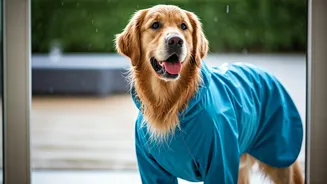
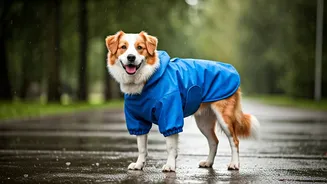
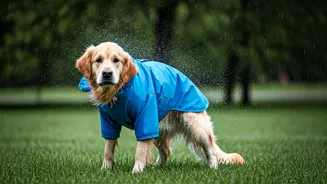
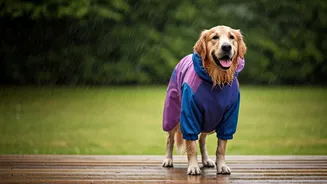
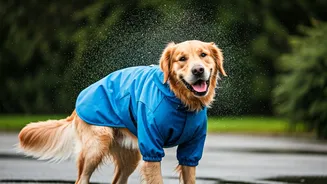
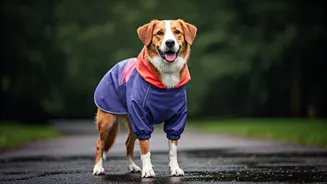
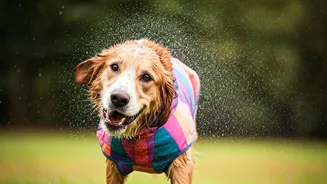
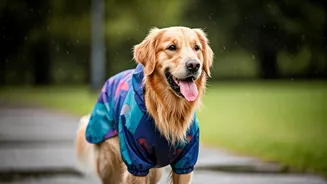
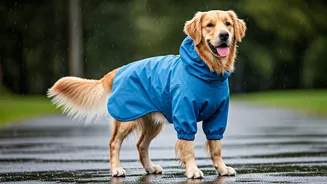
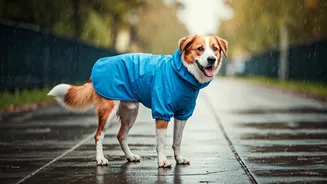
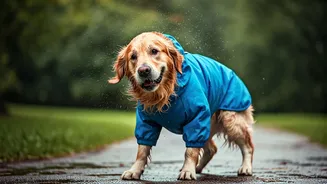
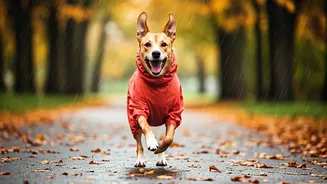
While a dog in a tiny raincoat is undeniably cute, the benefits go far beyond the photo opportunity. For many dogs, a raincoat is a piece of practical, essential gear. Older dogs, small breeds, and those with short or thin coats can get chilled easily,
turning a necessary potty break into a miserable, shivering experience. A good coat provides a crucial layer of insulation against wind and rain, keeping them more comfortable and willing to do their business. Then there’s the cleanliness factor. A raincoat dramatically reduces the surface area you need to towel dry. By covering the back, chest, and sometimes the belly, it prevents the messiest parts of your dog from getting soaked and caked in mud. This means less time spent wrestling a wet towel, a cleaner entryway, and a quicker transition back to cuddle time on the couch.
The Microfiber Advantage
Not all raincoats are created equal, and the material makes a significant difference. The mention of “microfibre” in a product description is more than just marketing jargon; it points to specific, tangible benefits for a pet garment. Microfiber is a synthetic material made from incredibly fine threads, which gives it a unique set of properties perfectly suited for doggy outerwear. First, it’s exceptionally lightweight. Unlike heavy, rubberized slickers of the past, a microfiber coat won’t weigh your dog down or feel bulky and restrictive. This encourages natural movement, which is key for dogs who are already hesitant about wearing clothing. Second, microfiber is inherently water-resistant while remaining breathable, preventing your dog from getting clammy underneath. Finally, its signature trait is being “quick-dry.” After a walk, you can give the coat a quick shake, hang it up, and it will be dry and ready for the next outing in a fraction of the time a traditional fabric would take.
What 'Specialized' Really Means
When you see a raincoat described as “specialized,” it refers to thoughtful design features that solve common problems for dog owners. These are the details that separate a premium coat from a basic one. Look for a leash portal—a small, reinforced opening on the back of the neck that allows you to clip a leash to your dog’s collar or harness without compromising the coat’s waterproof shell. Full belly coverage is another game-changer, protecting your dog’s underside from splashes and mud. Adjustability is also key. High-quality coats feature secure, adjustable straps (often with Velcro or buckles) around the chest and belly to ensure a snug but comfortable fit. Lastly, consider safety features. Many specialized coats incorporate reflective trim or piping, a simple addition that dramatically increases your dog’s visibility to cars and cyclists during gloomy, low-light walks in the early morning or evening.
How to Ensure the Perfect Fit
The most feature-rich raincoat in the world is useless if it doesn’t fit properly. A coat that’s too tight will restrict movement and be uncomfortable, while one that’s too loose can shift, get tangled, or fail to provide adequate coverage. To get it right, you need two key measurements: the back length and the chest girth. To measure the back length, have your dog stand straight and measure from the base of their neck (right where the collar sits) to the base of their tail. For the chest girth, measure around the widest part of your dog’s ribcage, typically just behind the front legs. Always compare these numbers to the manufacturer’s specific sizing chart, as sizing can vary wildly between brands. When in doubt, it’s often better to size up slightly to ensure freedom of movement, especially if your dog has a broad chest or thick fur.