

Embrace the 'Basecamp' Strategy
Instead of a rigid, point-to-point itinerary, try picking a 'basecamp' in a feature-rich region. Think of towns like Asheville, North Carolina, or Hood River, Oregon. By staying in one place for a few days, you give yourself the flexibility to make decisions
based on weather, energy levels, and local advice. One day might be a brewery tour; the next could be a spontaneous trip to a nearby cascade someone mentioned at a coffee shop. This approach swaps the pressure of a minute-by-minute schedule for the joy of discovery. It’s less about conquering a checklist and more about immersing yourself in a place, allowing the best experiences to find you.
Learn to Love the State Park
National Parks often get the glory, but they can also come with competitive booking windows for lodging and permits. State parks, however, are the unsung heroes of low-stress adventure. They frequently contain spectacular natural features, including waterfalls, with far fewer logistical hurdles. Most state parks operate on a simple day-use fee you can pay at the gate. A quick search for “[State Name] State Park waterfalls” can reveal dozens of options like Tahquamenon Falls in Michigan or Fall Creek Falls in Tennessee—world-class sights accessible with little more than a full tank of gas and a pair of walking shoes.
Use Modern Tools for Smart Spontaneity
Spontaneity doesn’t mean being unprepared. It means using the right tools at the right time. Apps like AllTrails are invaluable for last-minute planning. You can filter hikes by length, difficulty (“easy”), and features (“waterfall”), then read recent trail reports to check conditions. Similarly, Recreation.gov is no longer just for booking campsites six months out. Many national forests and parks now use it for timed-entry or day-use permits that can often be reserved just a day or two in advance. This new model helps manage crowds without demanding that you plan your life around a vacation months away.
The Roadside Wonder: Multnomah Falls, OR
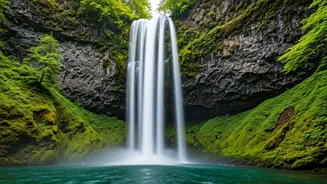
For the ultimate in high-reward, low-effort sightseeing, nothing beats a roadside waterfall. The crown jewel is Oregon’s Multnomah Falls. Located just 30 minutes from Portland, this 620-foot, two-tiered cascade is visible from the parking lot. A short, paved walk takes you to Benson Bridge, which spans the lower falls for an unforgettable photo op. While it can get crowded, its sheer accessibility makes it a prime example of a 'no panic' destination. It proves you don't always need a grueling backcountry trek to witness something truly epic. Many scenic byways, like the Blue Ridge Parkway, are dotted with similar pull-offs leading to impressive falls.
The Urban Oasis: Minnehaha Falls, MN
Sometimes the most surprising adventures are the ones you don't even have to leave the city for. Minneapolis's Minnehaha Park is home to a stunning 53-foot waterfall that feels like a hidden wilderness escape. Easily accessible by light rail, bike, or car, the falls are surrounded by limestone bluffs and lush greenery. You can view them from above or take a staircase down to the basin. It’s a powerful reminder that adventure isn't always remote. Finding these urban oases can satisfy a craving for nature without a single night of planning, making it the perfect impromptu afternoon trip.
The Ticketed Attraction: Ruby Falls, TN
If you want to eliminate all variables—weather, trail conditions, parking—consider a commercialized natural wonder. Chattanooga's Ruby Falls is a 145-foot underground waterfall located deep inside Lookout Mountain. Access is via a guided elevator and cave tour. While it’s a ticketed experience, it offers guaranteed access to a breathtaking sight. You book a time slot online, show up, and enjoy the show. This model trades wilderness grit for absolute certainty, a perfect option for a rainy day or for travelers who want the spectacle of nature without any of the logistical unpredictability that can come with it.